

Adalberto Campos Fernandes
Chairman of the Cascais International Health Forum and Professor at the National School of Public Health
Professor at the National School of Public Health of NOVA University Lisbon. He holds a PhD in Health Administration from the University of Lisbon, a Master’s degree in Public Health from NOVA University Lisbon, and a degree in Medicine from the Faculty of Medicine of the University of Lisbon. He is a specialist in Public Health.
He is a member of CISP at NOVA National School of Public Health and of CHRC at NOVA University. He served as Minister of Health in the 21st Constitutional Government from 2015 to 2018.
He is a member of the Board of Directors of GIMM – Gulbenkian Institute for Molecular Medicine – and Invited Full Professor at Universidade Europeia. He is Coordinator of the Strategic Health Pact of the Presidency of the Republic and Chair of the Independent Technical Committee for University Local Health Units.
He was a member of the WHO Advisory Board on Noncommunicable Diseases. He is a Full Member of the National Academy of Medicine of Portugal and the author of dozens of scientific articles and communications.
Sessions in which participates
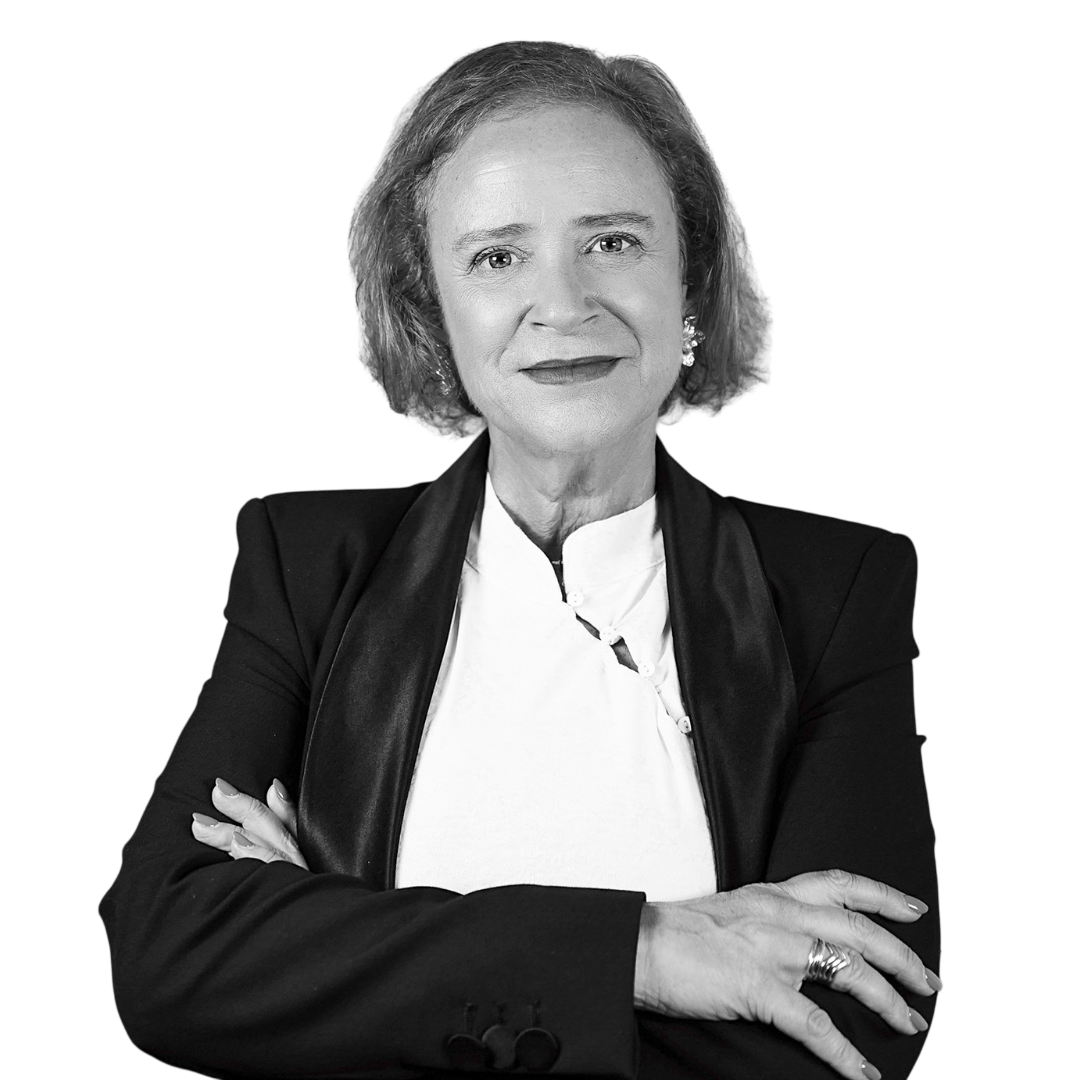
Andrea Lima
President of Fórum Saúde XXI
Founder and Executive Director of FÓRUM SAÚDE XXI, a civil society organisation founded in 2014 with the purpose of encouraging sustainable medium- and long-term policies in the fields of Health Promotion, Disease Prevention and Citizen Empowerment.
President of the Coordinating Council of the Setúbal District branch of SEDES – Association for Economic and Social Development – since its foundation on 4 December 2021.
She began her professional career in the pharmaceutical industry, working for some of the sector’s leading multinational companies, and was responsible for editing scientific publications in the field of health for several years.
An entrepreneur and activist, her mission is to INSPIRE HEALTH AND PROTECT THE MOST VULNERABLE.
Sessions in which participates
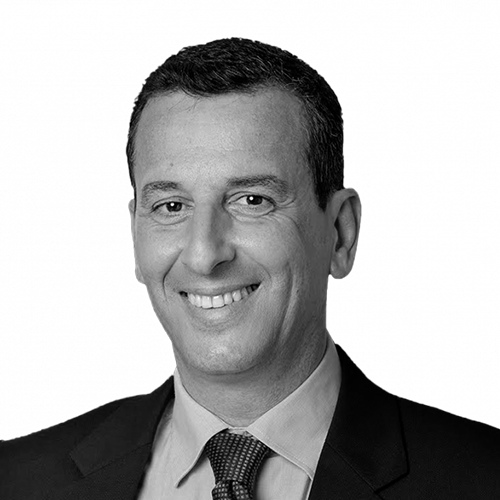
Nuno Piteira Lopes
Presidente da Câmara Municipal de Cascais
Sessions in which participates
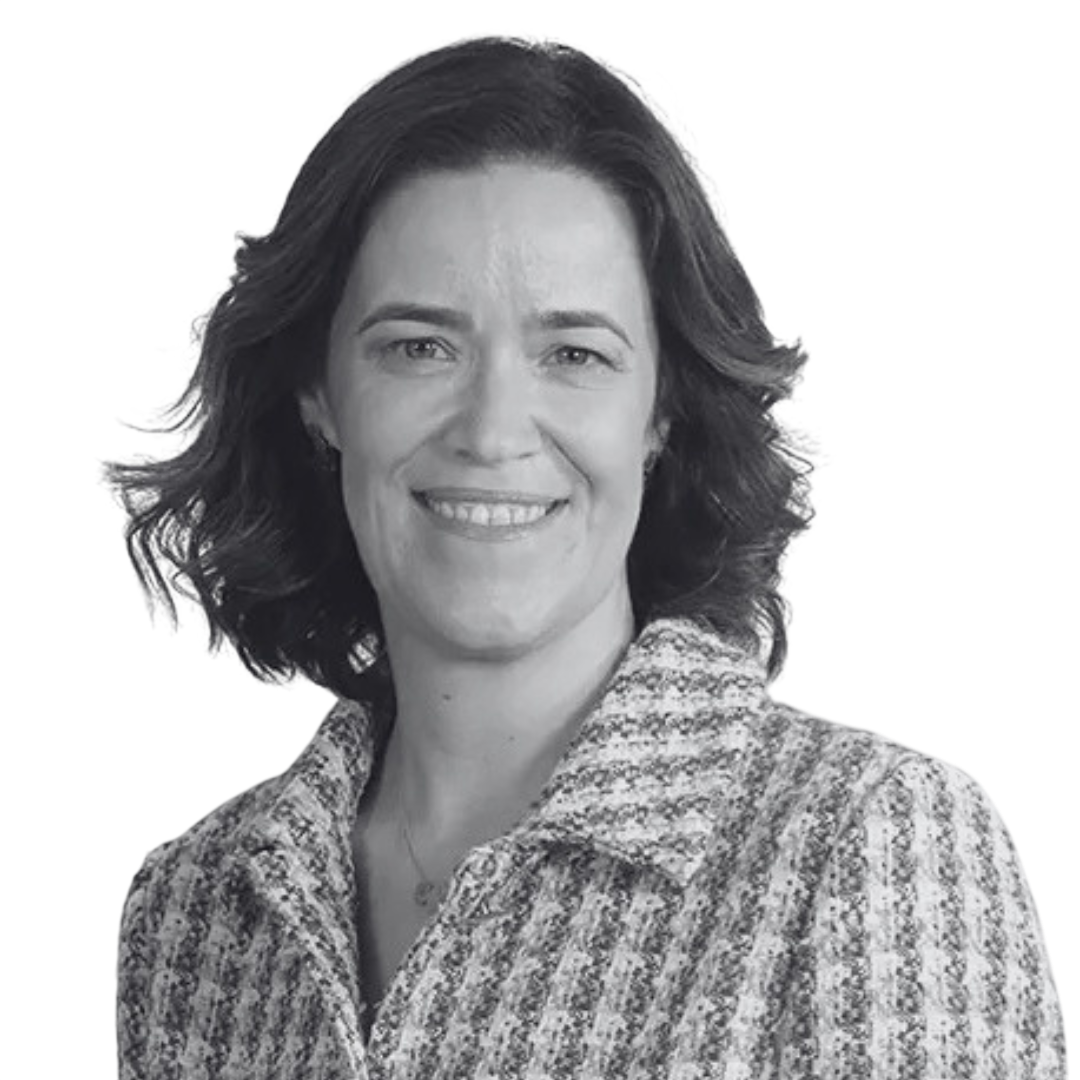
Ana Povo
State Secretary of Health
Ana Povo holds a bachelor’s degree in medicine from the Abel Salazar Institute of Biomedical Sciences at the University of Porto and a Ph.D. in medicine from the University of Porto School of Medicine. She also holds an MBA in Health Organizations and Systems from Fernando Pessoa University.
She served as Chair of the Board of Directors of the ICBAS-CHP Academic Clinical Center and as a Senior Resident in General Surgery at the Santo António University Hospital.
During her training, she completed internships at St. Mark’s Hospital in London, United Kingdom; the Mayo Clinic in Rochester, USA; and the University of Erlangen, Germany, where she conducted part of her doctoral research.
In addition, she is a visiting associate professor at the Abel Salazar Institute of Biomedical Sciences at the University of Porto, where she is also a member of the scientific council, the scientific committee for the integrated master’s program in Medicine, the joint committee, and the pedagogical committee for undergraduate education at the Santo António University Hospital/ICBAS. She is also a visiting associate professor at Fernando Pessoa University.
Furthermore, she is a member of Infarmed’s Health Technology Assessment Committee and the European Medicines Agency’s Expert Panel on the Evaluation of Medical Devices.
Since February 2023, she has been a member of the Disciplinary Council of the Northern Regional Section of the Portuguese Medical Association, having previously served as a member of the Portuguese Medical Association’s Assembly of Representatives.
She has also served as a member of the board of directors of the Portuguese Society of Minimally Invasive Surgery and as a member of the Audit Committee of the Portuguese Society of Coloproctology.
Sessions in which participates
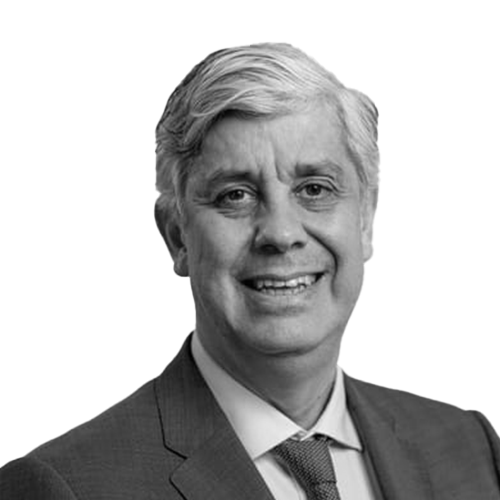
Mário Centeno
Economist and Minister of Finance (2015–2020)
Economist, university professor and one of the most prominent figures in Portuguese and European economic and financial policy.
He served as Governor of Banco de Portugal, Minister of State and Finance, and President of the Eurogroup, having also chaired the Board of Governors of the European Stability Mechanism.
Academically, he holds a PhD in Economics from Harvard University, specialising in Labour Economics, and has advanced training in Economics and Applied Mathematics. He is an Invited Full Professor at NOVA IMS and was a lecturer at ISEG, combining academic activity with a distinguished career in national and international institutions.
Throughout his career, he has conducted research in the fields of labour economics, employment and economic policy, and is the author of several scientific articles published in leading international journals.
His career is distinguished by the combination of academic rigour, government experience and leadership in national and European financial institutions, playing a central role in the definition and implementation of economic and financial policies in Portugal and the European Union.
Sessions in which participates
Building Long-Lasting Societies: Sustainability, the Economy, and Public Policy
Opening Conference
Longevity is profoundly reshaping contemporary societies, influencing health, the economy, and social organization. This opening conference offers a strategic perspective on the impacts of increased life expectancy, exploring how to turn this phenomenon into an opportunity to promote innovation, sustainable development, and improved quality of life.
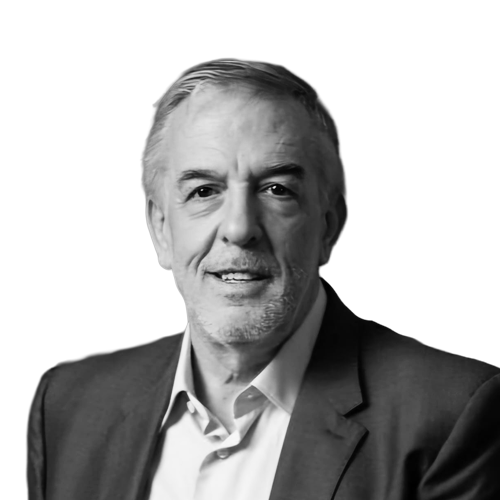
Luís Pais Antunes
President of the Economic and Social Council
A legal scholar with an extensive career at the European, governmental, parliamentary, academic, and business levels. He served in the Legal Service of the European Commission and as a legal secretary at the Court of Justice of the European Union. He served as Director-General for Competition and Prices, advisor to the Economic and Social Council (CES), Secretary of State, member of the Assembly of the Republic, President of the Court of Arbitration for Sport, and member of the National Board of the Portuguese Red Cross and the Executive Board of the Forum for Competitiveness.
He served as Presiding Arbitrator of the CES Arbitration Panel and as Chairman of the Board of Directors of PLMJ Advogados, a law firm where he was a partner for 25 years. He has also taught as a visiting professor at several Portuguese universities. He is President of the Economic and Social Council.
Sessions in which participates
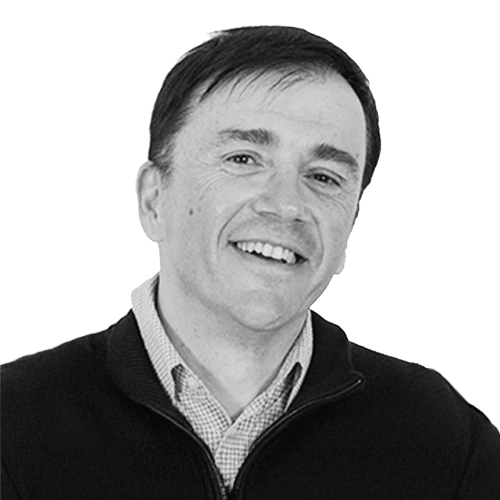
Alejandro Lúcia Mulas
Professor of Exercise Physiology and Principal Researcher at European University of Madrid
Sessions in which participates
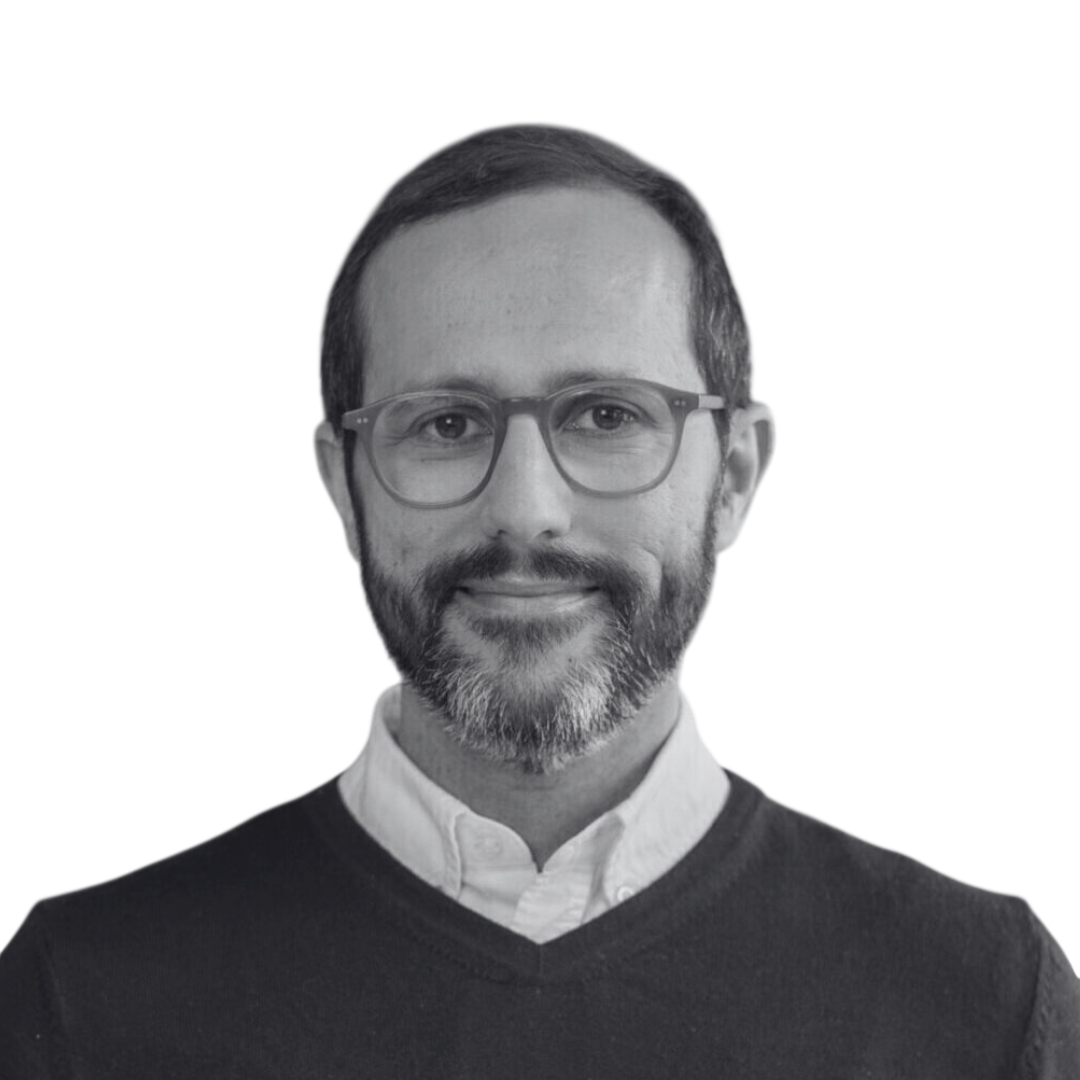
João Machado
Chairman of the Board of Directors of the Ageas Foundation
Sessions in which participates
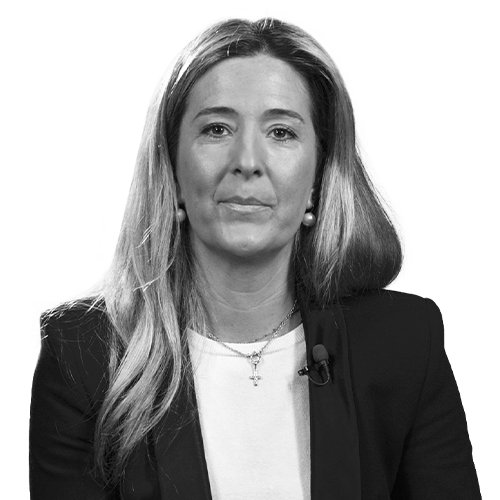
Catarina Castro
Economist and Financial Markets Analyst
Catarina Castro began her career in 2002 in London, where she specialised and completed a master’s degree in Business Studies and Economics, focusing on investment banking and financial markets, and has over 15 years of professional experience.
She initially worked as an analyst of listed small and medium-sized companies, focusing her expertise on Portugal and Spain and contributing to these companies’ access to capital markets, whether through debt issuance or through their admission to regulated markets (BVL 30, PSI 20, IBEX 35).
Between 2005 and 2011, she held senior management and board positions at Banco Santander in Portugal and Brazil, managing over €8 billion and €100 billion in funds, respectively.
In 2013, Catarina Castro also specialised in advising on and executing mergers and acquisitions, completing transactions in the banking and insurance sector in Portugal.
Since 2020, Catarina Castro has also been an economic and financial commentator for SIC.
Sessions in which participates
Living More with Quality: What People Expect from the New Longevity
Plenary Session 1
Living longer is no longer merely a quantitative achievement; above all, it is a qualitative challenge. As life expectancy increases, so do people’s expectations regarding how they want to live those additional years. Health, independence, mobility, financial security, adequate housing, access to services, social participation, and emotional well-being have become central aspects of this new era of longevity. This plenary session proposes a people-centered reflection, seeking to understand how different generation’s view aging and what responses they expect from health systems, cities, businesses, and public policies. Emerging trends in consumption, lifestyles, and new ways of living and aging will be explored, as well as the factors that most influence the perception of quality of life over time. More than just adding years to life, the challenge lies in ensuring that those years are lived with dignity, purpose, and inclusion.
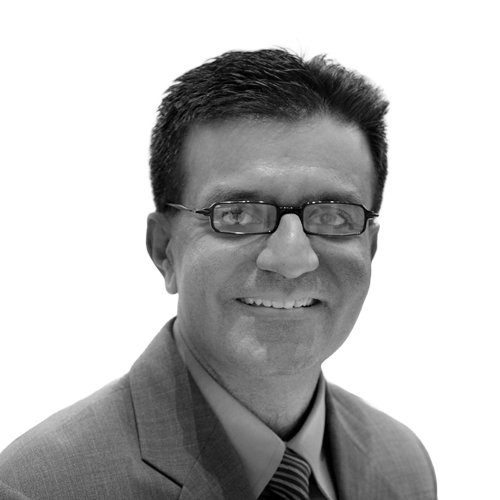
Salim Virani
Cardiologist, researcher, and Vice Provost for Global Research at Aga Khan University (AKU)
Salim S. Virani, MD, PhD, serves as the Vice Provost Research and the Nizar E. Noor Mohammed Mewawalla Endowed Professor at the Aga Khan University (AKU). Effective September 2024, Dr Virani took on additional responsibilities for Bilateral and Multilateral Relations at AKU.
Working with a dedicated team, he leads and facilitates AKU’s global research and international collaborations across South Asia, Europe, and East Africa in the areas of medicine, nursing, education, culture, media, climate change, and environmental sciences. Apart from making research admin processes fully electronic and global, his research admin team has initiated several innovative programmes to improve research capacity for early career researchers [e.g. Research Initiative for Scholars Excellence (RISE) Programme] and to improve research administration [e.g., Skills & Training for Research Innovation, Development & Excellence (STRIDE) Virtual Learning Environment, and Community of Practice].
Before joining AKU, Dr Virani was a tenured Professor in the Sections of Cardiology and Cardiovascular Research at Baylor College of Medicine (BCM) and an investigator in the Health Policy, Quality, and Informatics Programme at the Michael E. DeBakey VA Medical Centre Health Services Research and Development Centre of Innovation in Houston, Texas. At BCM, he also served as the Director for the Cardiovascular Disease Fellowship Training Programme. His clinical practice includes being a Preventive Cardiologist with a special emphasis on managing complex dyslipidemia.
Sessions in which participates
Living Longer, Living Better Starts Early: Cardiovascular Health from Preconception to Adulthood
Conference
The increase in average life expectancy is one of humanity’s greatest achievements. In Portugal, as in most developed countries, the number of people who may live to 100 years or more is growing, as a result of advances in medicine, public health, technological innovation and improved socioeconomic conditions. However, this achievement brings profound challenges for healthcare systems, social security, the labour market, education, urban planning and intergenerational relations.
The transition to a 100-Year Society requires a paradigm shift: more than adding years to life, it is essential to add life to years. Healthy ageing, disease prevention, the promotion of autonomy, health literacy, biomedical innovation, digital transformation, artificial intelligence and new models of care all play a central role in building more inclusive, resilient and sustainable societies.
This topic invites reflection on Portugal’s preparedness to respond to the demographic, economic and social implications of longevity. Are we prepared to finance longer lives? How should healthcare and social protection systems be reorganised? What role will cities, companies, universities and families play? How can we promote longer careers, lifelong learning and new forms of civic participation?
Thinking about the 100-Year Society means anticipating the future, transforming the challenge of ageing into an opportunity to innovate public policies, strengthen social cohesion and build a development model that values every stage of life, placing healthy longevity at the centre of the national agenda.
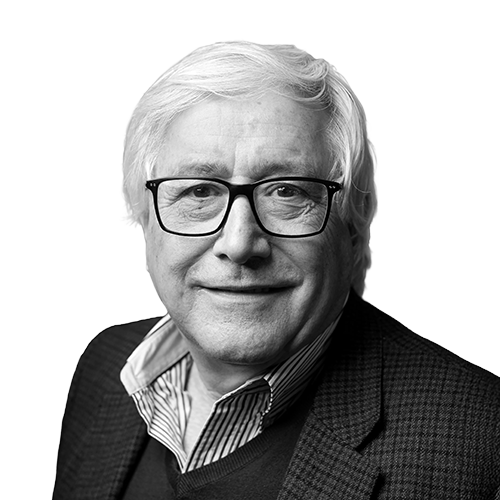
Manuel de Lemos
President of the União das Misericórdias Portuguesas
President of the National Secretariat of the Portuguese Union of Misericórdias, a position he has held since 2007. He previously held several positions in the health sector, including Chief of Staff to the Minister of Health (1987–90), President of the Porto Regional Health Administration (1986–92), and President of the General Council of Hospital de S. João.
He holds a degree in Law from the Faculty of Law of the University of Coimbra. He was Northern Regional Commissioner for the National Programme to Combat Poverty (1990–95), Portugal’s representative on the Advisory Committee of the Poverty 3 Programme and on the European Union’s Committee for Social Affairs, Vice-President of the United Nations “Poverty Alleviation” Committee, and an expert appointed by the Committee of the Regions to evaluate the Socrates Programme in the European Union.
He has held various roles in social-sector institutions, including Vice-Ombudsman of the Santa Casa da Misericórdia do Porto (1992–95) and of Lisbon (2002–05), as well as President of the Health Committee of the Portuguese Union of Misericórdias.
Sessions in which participates
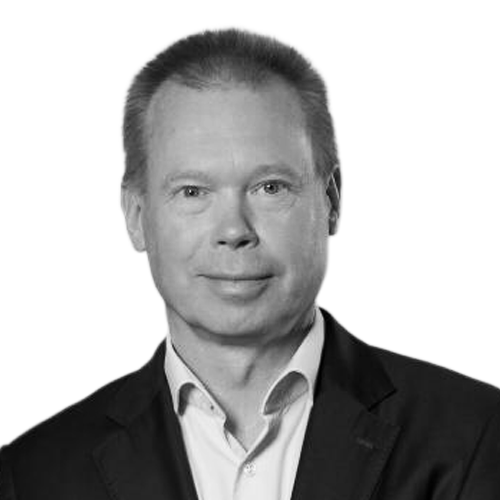
Peter van der Voort
Professor TIAS School, Amsterdam
Peter van der Voort has been Academic Director of the MHA programme and Professor of Healthcare at TIAS since 2013. He graduated in Medicine from VU University Amsterdam and specialised in Internal Medicine and Intensive Care Medicine at the Academic Medical Centre (AMC) and OLVG Hospital.
In 2006, he completed a master’s degree in Epidemiology. Since 2019, he has been Professor of Intensive Care Medicine at the University of Groningen (RUG) and served as Director of the Adult Intensive Care Unit at the University Medical Center Groningen (UMCG) until September 2023.
Previously, he led the intensive care units at Medical Center Leeuwarden and OLVG, where he also trained intensivists for ten years. In these roles, he gained extensive experience in hospital healthcare management.
He was Chair of the Venticare Foundation and was deeply involved in the development of telemedicine. He also chaired numerous committees dedicated to quality policy and the organisation of healthcare.
Between 2020 and 2023, he served as a senator for the D66 party, with responsibility for healthcare, finance, and education. Since 2024, he has chaired the board of the Dutch Association for Palliative Care.
Through the various roles he has held, he has developed a broad view of the healthcare system and the conviction that the organisation and governance of a department or healthcare institution have an impact on the quality of care that is at least as relevant as its clinical content.
This perspective, combined with his medical, organisational, and political-institutional experience, guides his teaching activity, through which he seeks to provide TIAS programme participants with knowledge and a diversity of perspectives. He supervises participants in the MHA and other TIAS healthcare programmes and conducts research in the areas of healthcare organisation and governance. In 2025, he also served as interim Vice-Dean of TIAS.
Sessions in which participates
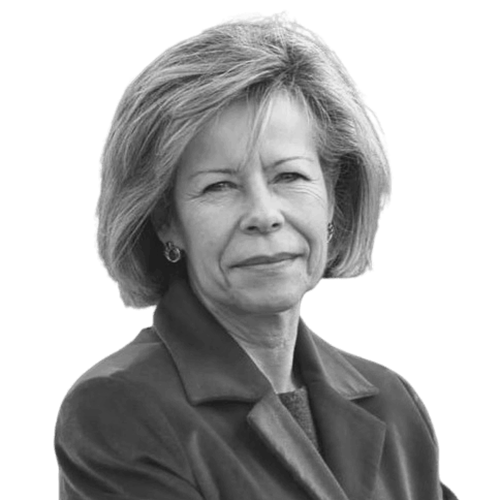
Maria de Belém Roseira
Former Minister of Health
Maria de Belém Roseira holds a degree in Law from the Faculty of Law of the University of Coimbra. She is a lawyer and jurist, with a career spanning more than four decades dedicated to social affairs, health and public life.
She served as Minister of Health, Minister for Equality and Member of Parliament across several legislatures. She also chaired the Parliamentary Health Committee and was a member of the Parliamentary Assembly of the Council of Europe.
Throughout her political career, she was responsible for promoting important legislative initiatives, including the Parity Law, the Medically Assisted Procreation Law, the Living Will Law and the law allowing Portuguese nationality to be granted to descendants of Sephardic Jews. She also chaired the Parliamentary Inquiry Committee into the BPN case and served as President of the World Health Assembly of the World Health Organization.
She was President of the Socialist Party and a candidate for the Presidency of the Republic. In parallel, she has developed extensive work in the fields of the social economy and volunteering, having served on the governing bodies of several national and international institutions, including the Steering Committee of the International Association of Mutual Benefit Societies.
She maintains a strong connection to academia, serving on the General Council of the University of Coimbra, chairing the Advisory Board of the Institute of Hygiene and Tropical Medicine, and participating in national and international scientific juries. She is a speaker, guest lecturer and author of books, articles and essays on health, public policies and social affairs.
A Councillor of the Ancient Military Orders, she has received numerous awards and decorations, including the Grand Cross of the Order of Christ, awarded by the President of the Republic in recognition of her outstanding service to the country.
Sessions in which participates

Bruno Pina
CEO of European Longevity Hub
Bruno Pina is CEO of Synapse, an international consulting company specialising in innovation and strategy in the healthcare sector.
He is also co-founder and Global Executive Director of the European Longevity Hub, an initiative based in Portugal that brings together researchers, entrepreneurs and investors with a common goal: to make well-being and longevity accessible to everyone, anywhere in the world.
With more than 20 years of experience in transformation, technology and innovation projects on a global scale, Bruno Pina has held executive roles in companies such as AstraZeneca, McKinsey & Company and IBM, leading transformation projects across several regions, including Latin America, North America, Europe and Asia.
In parallel, he works as an angel investor, mentor and strategic advisor, supporting healthcare companies and startups in their sustainable growth. He is also a guest lecturer in master’s programmes and has been a speaker for more than a decade, regularly taking part in international conferences and events.
Sessions in which participates
“Longevidade” in a Changing Society
Plenary Session 2
The session — “Longevidade” in a Changing Society — invites reflection on the challenges and opportunities associated with increased longevity in a context of rapid social, technological, and economic change. The debate will address active aging, intergenerational relationships, innovation, health, and inclusion, promoting new perspectives on living more years with quality, participation, and a sense of community.
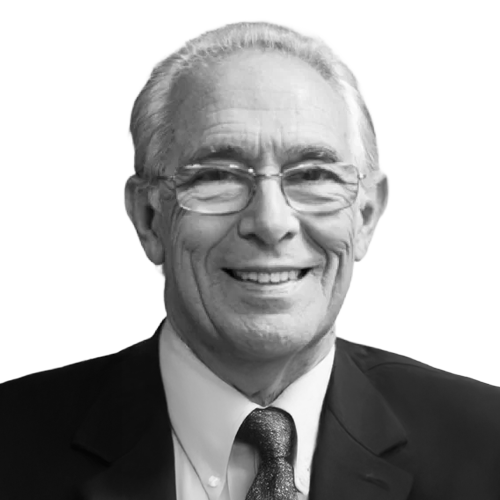
Manuel Sobrinho Simões
Researcher and University Professor
Physician, researcher and Emeritus Professor at the Faculty of Medicine of the University of Porto, he is one of the leading international references in the field of Pathological Anatomy and oncological research.
He graduated in Medicine from the University of Porto in 1971, completed his specialty in Pathological Anatomy in 1976 and obtained his PhD in Pathology in 1979, the same year in which he also completed postdoctoral research at the Norwegian Cancer Institute.
He became a Full Professor in 1988 and was also Adjunct Professor at Thomas Jefferson University in the United States. Since 1989, he has founded and directed IPATIMUP – the Institute of Molecular Pathology and Immunology of the University of Porto. He was also co-founder of the Institute for Research and Innovation in Health (i3S), where he served on the Board of Directors.
His scientific work focuses on cancer diagnosis and research, particularly oncobiology and thyroid cancer. He is the author of more than 400 scientific articles published in international journals, with over 19,000 citations, reflecting the global impact of his research.
In 2015, he was named by the British magazine The Pathologist as the most influential pathologist in the world. Among the numerous distinctions he has received are the Pessoa Prize (2002), the Grand Cross of the Order of Prince Henry (2004), the Commandery of the Royal Norwegian Order of Merit (2009) and the Grand Prize Ciência Viva (2016).
Sessions in which participates
Living Longer, Living Better: The Challenges of Longevity
Conference
The conference—Living Longer, Living Better: The Challenges of Longevity—invites reflection on the impact of increased life expectancy on contemporary societies. Topics such as active aging, health, innovation, the sustainability of social systems, and quality of life will be discussed, with the aim of identifying solutions that can transform longevity into an opportunity for human, social, and economic development.
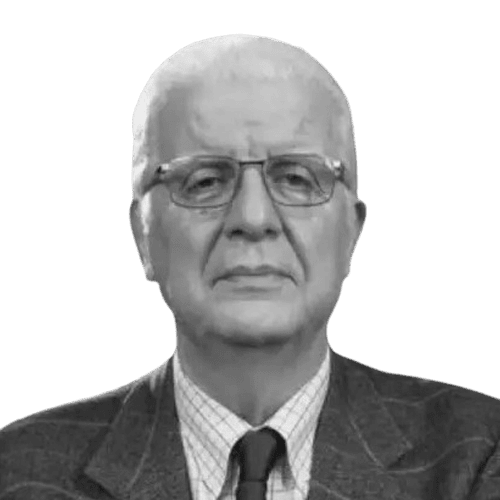
António Vaz Carneiro
President of the ISBE – Institute for Evidence-Based Health
Degree in Medicine from the Faculty of Medicine of the University of Lisbon – FMUL (1976). PhD in Medicine from FMUL (1994).
Specialist in Internal Medicine from Mount Sinai Hospital and Medical School, New York, USA (1983), Hospital de Santa Maria (1987) and the Portuguese Medical Association (1986).
Specialist in Nephrology from the University of California, San Francisco, USA (1985) and the Portuguese Medical Association (1989).
Specialist in Clinical Pharmacology, College of the Portuguese Medical Association, September 2008.
Diploma in Medical Education, University of Wales in Cardiff, UK (1997). Master’s degree in Medical Education, Faculty of Medicine of the University of Lisbon (2000).
Director of the Centre for Evidence-Based Medicine Studies at the Faculty of Medicine of Lisbon (1999–present). Fellow of the American College of Physicians (FACP), elected in April 2008.
Executive Director of the Institute for Advanced Training, Faculty of Medicine of Lisbon (2009–present). Director of the Department of Medical Education, Faculty of Medicine of the University of Lisbon (2016–2017).
Director of Cochrane Portugal (2014–present). Fellow of the European Society of Cardiology (FESC), elected in June 2015.
Director of the Institute of Preventive Medicine and Public Health, Faculty of Medicine of the University of Lisbon – FMUL (2017–present). Director of the Institute of Environmental Health, FMUL (2017–present).
Vice-President of the Scientific Council and Vice-President of the Institute of Evidence-Based Health, FMUL (2019–present).
Editor of several national and international medical journals. Author of more than 300 articles and book chapters, and more than 500 scientific communications.
Sessions in which participates

Adolfo Mesquita Nunes
Lawyer, partner at Pérez-Llorca
Lawyer, partner at Pérez-Llorca. With more than 20 years of experience, he specialized in public policies, regulation, public procurement and administrative litigation, with extensive experience in public contracts (both in pre-contractual phases and in the execution of public contracts on behalf of public entities and private companies). Extensive experience in contracting in the healthcare sector, he is the author of articles and a guest speaker on matters of value-based public procurement in the healthcare sector. He was Secretary of State for Tourism in the 19th and 20th Constitutional Governments of Portugal. During his mandate, he led the reformulation of a significant set of public policies: i) travel agencies, ii) hotels, iii) local accommodation, v) tourist entertainment, vi) online gaming, vii) marketing strategy for Portugal as a destination tourism (digital marketing, big data, business intelligence, among others). He is currently an independent non-executive Director and Vice-Chairman of the Board of Directors of Galp Energia, member of the arbitration panel of the Center for Administrative Arbitration (CAAD) and President of the Business Club of the World Trade Center Lisbon for smart cities. He teaches Public Management in the Master’s in International Development and Public Policies at NOVA SBE (ranked by the Financial Times as the 15th best in the International Master’s in Management, 11th in Finance and the 24th Business School in Europe). He also teaches Law and Public Policies in the Masters in Public Law and Regulation at NOVA School of Law. He is a regular speaker at academic and civil society conferences on public policy, business development, regulation, and public law.
Sessions in which participates
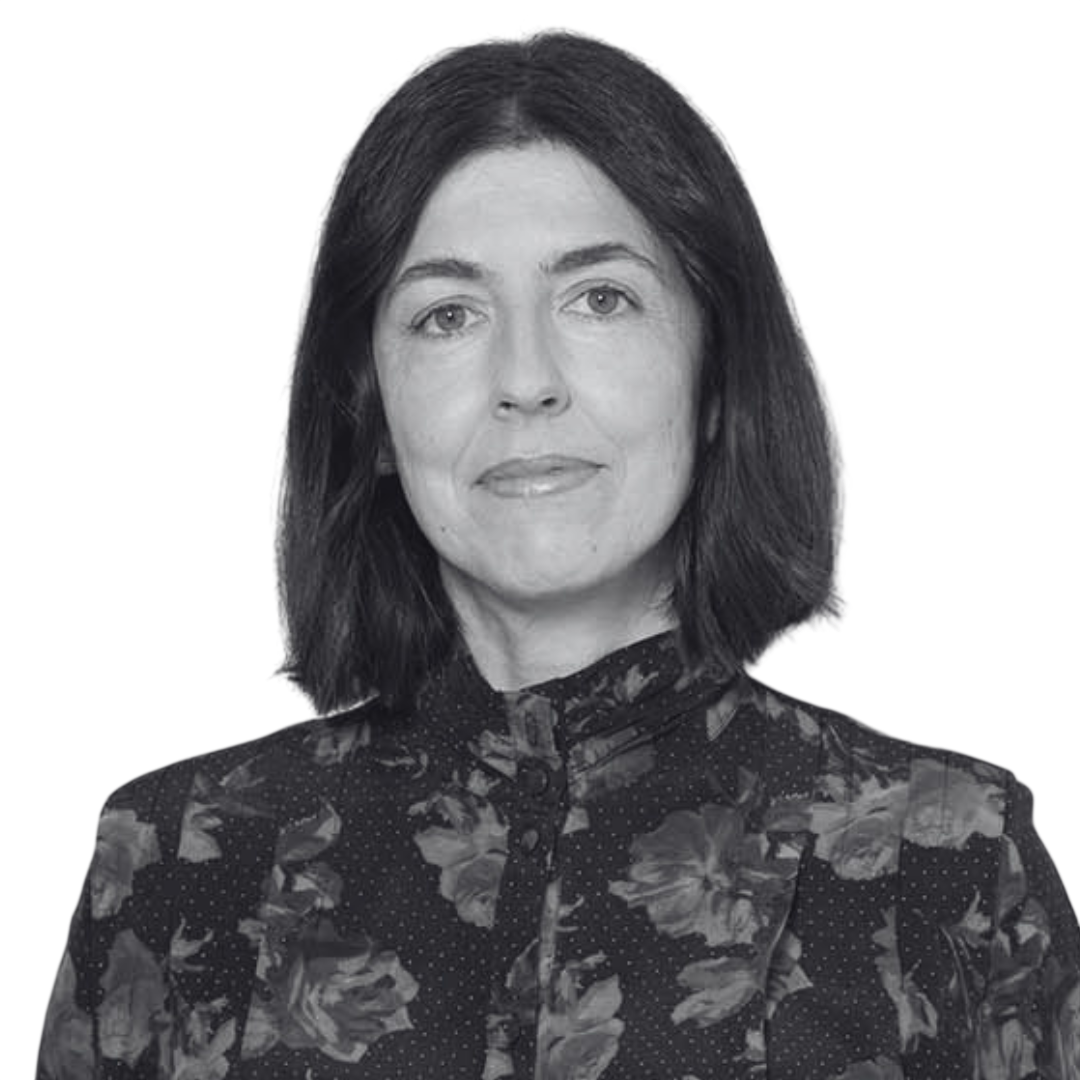
Catarina Mascarenhas
Consultant Lawyer at Abreu Advogados
Catarina Mascarenhas has been a consultant at Abreu Advogados since 2025. She specializes in digital law, technology, and intellectual property, having worked across various sectors and participated in numerous projects for key clients in the fields of electronic communications, technology, banking, energy, healthcare, media and entertainment, and infrastructure.
She has particular expertise in matters related to technology, consumer law, digital markets, media & entertainment, cybersecurity, privacy, personal data, and advertising, both in Portugal and international markets. She coordinates her work with multidisciplinary teams, whether in the context of transactions or ongoing client support, which ranges from providing ongoing legal
advice and project support to conducting legal audits.
She has extensive experience advising on transactional IP matters, as well as supporting the development and implementation of compliance programs related to the DORA, NIS2, AI, and DSA in coordination with companies’ internal teams across various sectors and in alignment with internal strategies and procedures, in accordance with applicable legal and regulatory requirements and best governance practices. He is also a member of the Board of Directors of the Pension Fund for Lawyers, Notaries, and Enforcement Agents.
Sessions in which participates

Pedro Gouveia
Surgeon and Researcher at the Champalimaud Foundation
Pedro Gouveia is a certified breast surgeon, researcher in extended reality for the medical field, and futurist at the Breast Unit of the Champalimaud Foundation.
He is Principal Investigator of the Digital Surgery Laboratory at the Champalimaud Foundation.
He is also an Invited Assistant Professor and coordinator of the optional course Practical Introduction to Artificial Intelligence in Medicine at the Faculty of Medicine of the University of Lisbon.
He is a member of the Education and Training Committee — Breast Working Group — of the European Society of Surgical Oncology.
Sessions in which participates
Artificial Intelligence: Opportunities, Risks, and Responsibility
Plenary Session 3
Artificial intelligence is profoundly transforming the way we live, work, and make decisions, bringing with it enormous potential for innovation, but also new risks and responsibilities. This plenary session examines the growing impact of AI on society, from its use in citizens’ daily lives to its application in critical areas such as health, the economy, and governance. Key issues will be discussed, such as algorithm transparency, accountability for automated decisions, data protection, the risks of bias and inequality, as well as the role of technology companies and regulators. In a context of rapid adoption, it is important to ensure that artificial intelligence is developed and used in an ethical, safe, and people-centered manner.
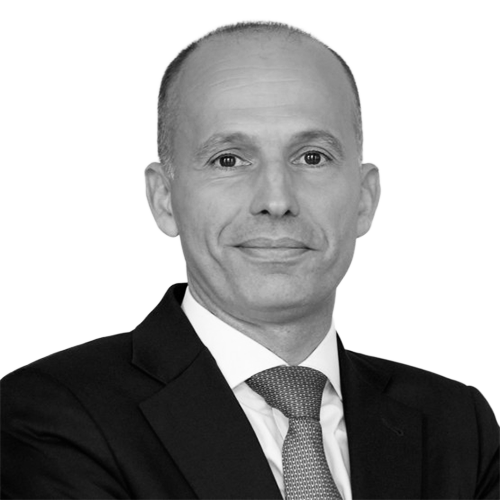
Pedro Mota Soares
Lawyer and former Minister of Labour, Solidarity and Social Security of Portugal.
Portuguese lawyer and politician. He is best known for having served as Minister of Solidarity, Employment and Social Security between 2011 and 2015. He currently serves as Secretary-General of APRITEL and President of the Cascais Municipal Assembly.
Sessions in which participates
Longevity and Sustainability: The Challenges of the Next Decade
Conference
Longevity is one of the most significant demographic transformations of the 21st century and represents both a civilisational achievement and one of the greatest challenges for public policy. The increase in life expectancy, combined with declining birth rates and population ageing, calls for strategic reflection on the sustainability of healthcare systems, social protection, pensions, the labour market and public finances.
Over the next decade, it will be crucial to develop models capable of reconciling longer lives with quality of life, autonomy, productivity and social inclusion. The promotion of healthy ageing, disease prevention, technological innovation, personalised medicine, artificial intelligence, digital transformation and new models of care delivery are essential factors in responding to the growing demand for healthcare without compromising economic and social sustainability.
This topic proposes an integrated analysis of the main challenges and opportunities associated with longevity, exploring the impact of demographic change on the economy, employment, education, the organisation of cities and intergenerational relations. It also addresses the need to promote public policies focused on prevention, health literacy, innovation and the creation of environments that support longer, more active and healthier lives.
Discussing the relationship between longevity and sustainability means preparing for the future by identifying innovative solutions that can transform population ageing into a driver of development, strengthening the resilience of public systems, economic competitiveness and social cohesion. The challenge of the next decade will be to ensure that living longer also means living better, with greater well-being, participation and equity.
Pedro Gouveia
Surgeon and Researcher at the Champalimaud Foundation
Pedro Gouveia is a certified breast surgeon, researcher in extended reality for the medical field, and futurist at the Breast Unit of the Champalimaud Foundation.
He is Principal Investigator of the Digital Surgery Laboratory at the Champalimaud Foundation.
He is also an Invited Assistant Professor and coordinator of the optional course Practical Introduction to Artificial Intelligence in Medicine at the Faculty of Medicine of the University of Lisbon.
He is a member of the Education and Training Committee — Breast Working Group — of the European Society of Surgical Oncology.
Sessions in which participates
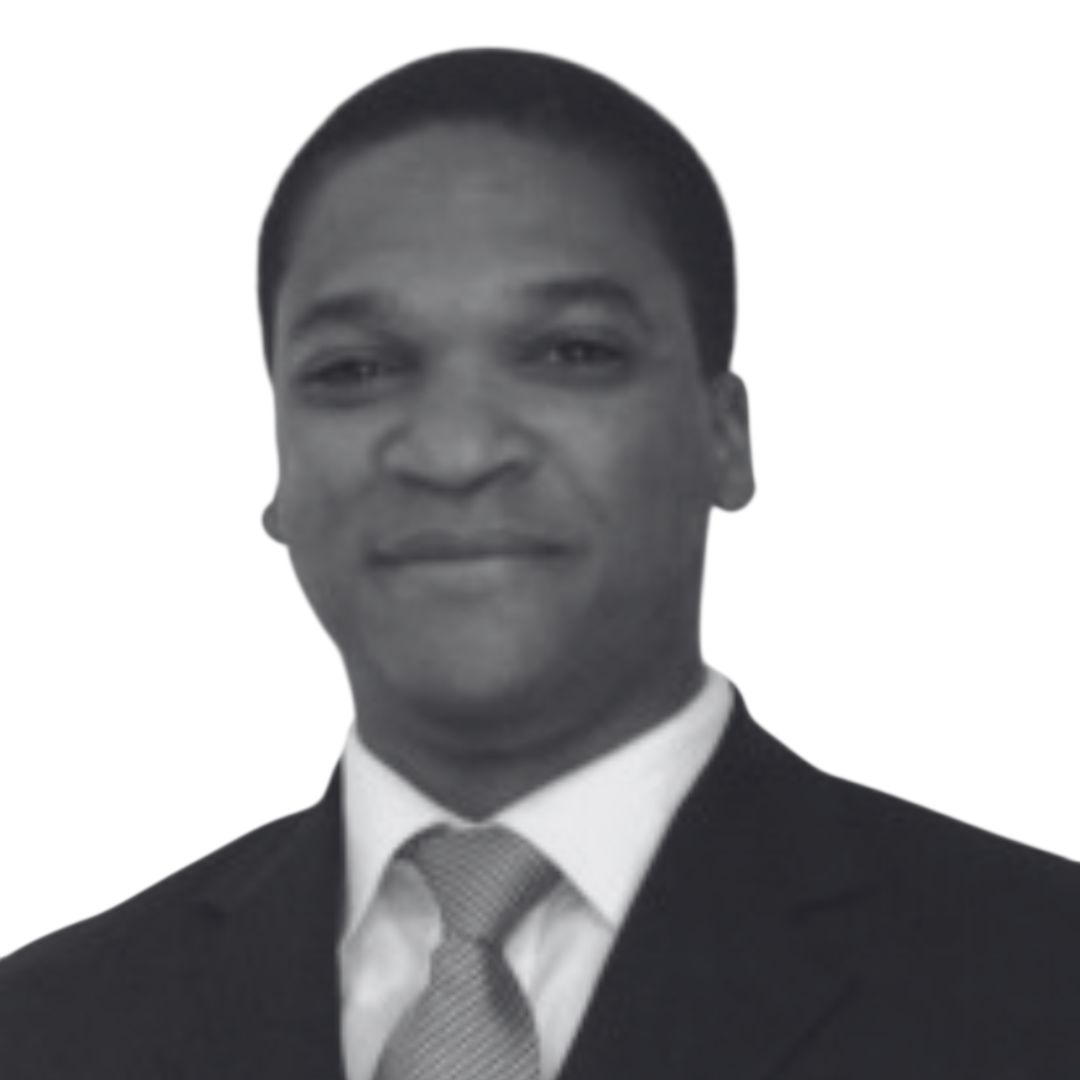
Vítor Silva
Head of Connectivity, IoT and Unified Communications Portfolio Management and Development at Vodafone Portugal
Vítor Silva is responsible for the management and development of Vodafone Portugal’s Connectivity, IoT, and Unified Communications portfolio, leading initiatives that drive the adoption of digital solutions and connected technologies to address the challenges of transformation across different industries
With more than 20 years of experience in strategy, innovation, and product development, he works on creating solutions that bring healthcare closer to people, strengthening remote monitoring capabilities and supporting new models of care delivery that are more efficient, preventive, and citizen-centric.
Sessions in which participates
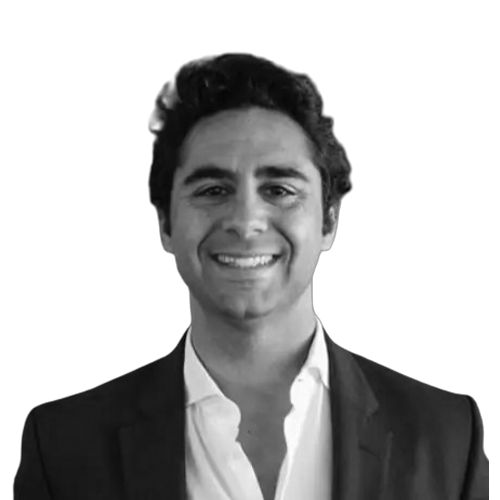
David Magboulé
CEO of LabToMarket
He holds a degree in Biology from the University of Nottingham. He has 15 years of international experience in the healthcare sector — Pharma, Medical Devices and Biotech — in Marketing and Business Development roles, having worked for companies such as ITF-Farma, Genetrix, Carestream and SonoSite FUJIFILM. Over the past eight years, he has worked as a strategy consultant across several industries.
At the end of 2017, he launched LabToMarket, a one-stop shop for researchers and start-ups looking to bring their products and services to market, providing market know-how and building the strategic bridge between innovators and decision-makers.
He also works with government entities, hospitals and multinational companies as a consultant in agile methodologies and open innovation. Since 2022, he has been Head of Growth & Acceleration at Startup Portugal, the organisation responsible for the National Strategy for Entrepreneurship.
Sessions in which participates
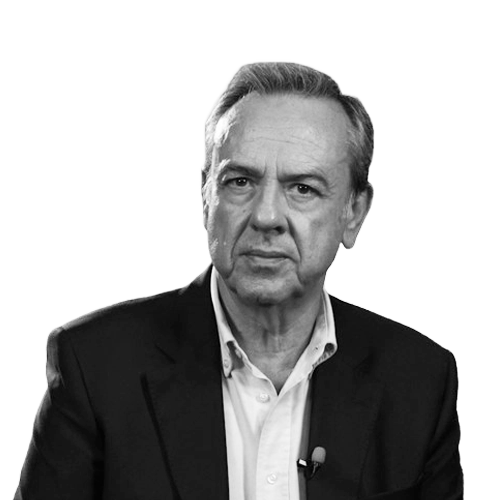
José Mendes Ribeiro
Health Economist and Manager
Economist with extensive experience in the management and organisation of the healthcare sector. He played a key role in launching the process of corporatisation of Portuguese public hospitals between 2002 and 2004.
He teaches in several master’s and postgraduate programmes in the areas of Healthcare Management, Health Communication and Public-Private Partnerships. He is currently a member of the Strategic Council of the Coimbra Academic Clinical Centre and of the Advisory Board of the Faculty of Social Sciences and Humanities at the University of Beira Interior.
Throughout his career, he has held management positions at the Portuguese Red Cross Hospital, Grupo Português de Saúde, the National Institute of Health Doutor Ricardo Jorge and in the Healthcare area of Accenture Portugal. He was also a member of the Scientific Council of the Francisco Manuel dos Santos Foundation.
He is the author of several books and articles dedicated to health system policies, management and organisation, and is recognised as a reference in the fields of health economics and healthcare management in Portugal.
Sessions in which participates
Technology That Cares: Wearables, Telemedicine, and Home Health Care
Plenary Session 4
Technological advancements are profoundly transforming healthcare delivery, bringing it ever closer to people. Wearables, telemedicine, and remote monitoring solutions enable real-time health tracking, help prevent complications, and promote greater independence, especially among aging populations. This plenary session explores how these technologies are redefining the role of the home as a center of care, reducing pressure on healthcare systems and improving the patient experience. It will examine challenges related to integration, digital literacy, equitable access, and data protection, as well as the potential of these solutions to create more personalized, continuous, and sustainable models of health monitoring.
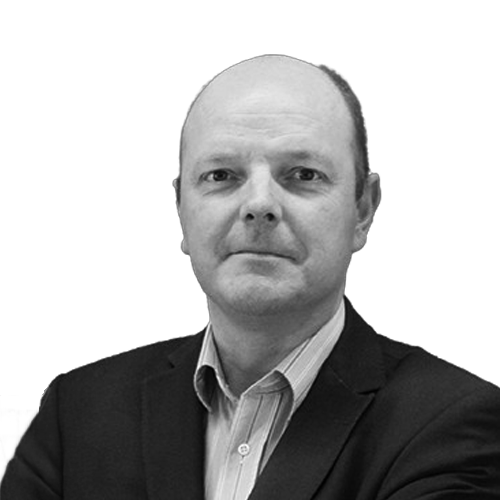
Paulo Santos
Professor of General and Family Medicine at the Faculty of Medicine of the University of Porto
He graduated in Medicine from the Faculty of Medicine of the University of Porto in 1995 and obtained a PhD in Clinical and Health Services Research from the Faculty of Medicine of the University of Porto in 2014.
He has been a specialist in General and Family Medicine since 2002, having worked at Arcozelo Health Centre, Oliveira do Douro Health Centre, São João Health Centre and the São João Family Health Unit in Porto. He has held competence in Geriatrics since 2015.
He has been a training supervisor for the Complementary Internship in General and Family Medicine since 2008. He was Clinical Director of R12 – Centre for Recovery from Addiction Disorders from 1998 to 2004.
He has practised private medicine at his office in Vila Nova de Gaia since 2000. Since 2014, he has been an Assistant Professor in the curricular units of the Department of Social Sciences and Health at the Faculty of Medicine of the University of Porto, where he teaches Preventive Medicine, General and Family Medicine, and Community Medicine.
He is a member of the Portuguese Medical Association, the Portuguese Association of General and Family Medicine, and the National Association of Teachers and Supervisors of General and Family Medicine.
He was an appointed member of the Health Ethics Committee of ARS Norte for the 2012–2014 term and was reappointed for the 2015–2017 term.
He is the author and co-author of more than 35 articles published in national and international journals, and a reviewer for national and international medical journals.
He is also the author and co-author of more than 50 presentations at national and international congresses and conferences, and has been a trainer in eight postgraduate courses in the field of Primary Healthcare.
Sessions in which participates

Ana Rita Pedro
Professor at the National School of Public Health (ENSP), NOVA University Lisbon
She is a researcher, professor, and specialist in Public Health at the National School of Public Health of Universidade Nova de Lisboa (ENSP NOVA). She holds a Ph.D. in Public Health from this institution, and her scientific and academic work focuses on empowering and engaging citizens in health decisions, with a special emphasis on the areas of Health Policy, Health Literacy, and Health Communication.
She currently coordinates the Academic Network for Health Literacy and is a researcher at the Comprehensive Health Research Centre (CHRC). Throughout her career, she has collaborated strategically with the public sector, having served on the Task Force for the National Program for Health Literacy at the DGS and the Strategic Support Unit (NAE) of the Ministry of Health. She
is also co-coordinator of the national community outreach project “Saúde que Conta” [1] and host of the podcast “O Lado B da Literacia.”
Sessions in which participates
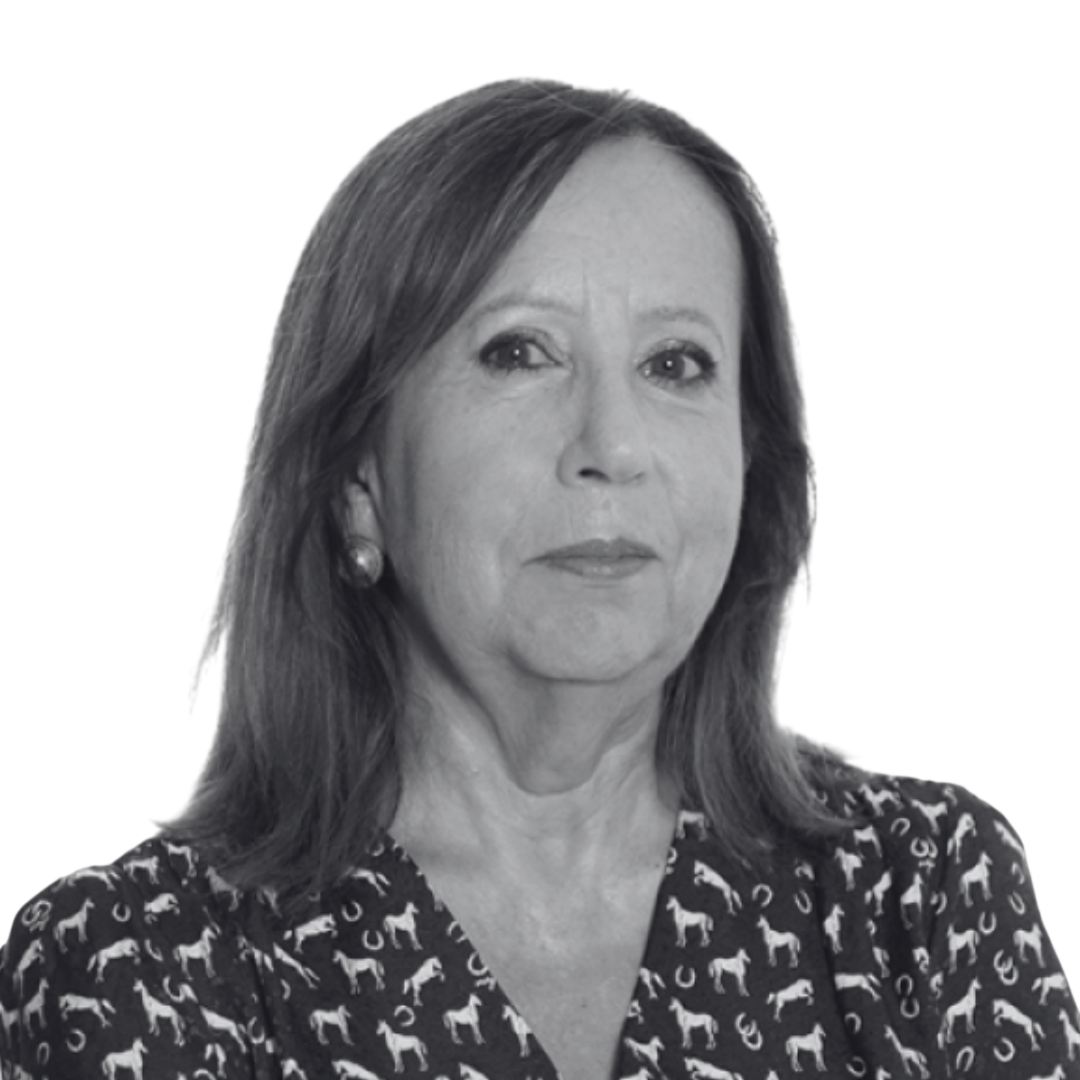
Isabel Magalhães
PUMONALE President
She is the Chair of the Board of Pulmonale—the Portuguese Association for the Fight Against Lung Cancer—a position she has held since April 2017. With a bachelor’s degree in economics
from the Faculty of Economics at the University of Porto, she has dedicated her professional and personal life to the social sector and to active citizenship in the field of health.
She began her journey at Pulmonale as a volunteer, where she worked closely with the association’s founder, Professor António Araújo, Ph.D. Under her leadership, the association has intensified its fight against lung cancer in Portugal. Isabel Magalhães stands out today as one of the country’s most active advocates for a national screening program.
She strongly believes that early diagnosis and prevention are the most effective tools for reducing mortality from the disease. She has also been the face of major national awareness campaigns, such as the #AgirAntesdeSentir initiative.
Internationally, she represents the association in the Global Lung Cancer Coalition (GLCC). She is also one of the founders of Lung Cancer Europe (LuCE), a European platform working to mitigate the impact of lung cancer and ensure equitable access to healthcare throughout Europe.
Sessions in which participates

Sérgio Laranjo
Cardiologist and Professor at NOVA Medical School
Sérgio Laranjo is a consultant pediatric cardiologist and assistant professor at NOVA Medical School, dedicated to transforming cardiovascular medicine through artificial intelligence, computational methods, and innovation in digital health. His clinical and academic work focuses on improving diagnostic accuracy and therapeutic outcomes in various patient populations, with expertise in cardiac arrhythmias, autonomic dysfunction, and pediatric cardiology.
At Santa Marta Hospital, São José Local Health Unit, he leads specialized clinical services, including the Pediatric Clinical Arrhythmology Section, the Cardiac Rehabilitation Program, and the Syncope Unit.
At NOVA Medical School, he is also the academic director of the Center for Knowledge in AI, Real-World Evidence, and Digital Health and the deputy director of the Institute for Digital Data Design (D³@NOVA). His research program integrates artificial intelligence for cardiovascular diagnosis, computational cardiology and advanced modeling, electrocardiographic imaging (ECGi), digital twins for personalized medicine, and signal processing methodologies for autonomic assessment. He is committed to the ethical and responsible implementation of AI, addressing algorithmic bias, ensuring transparency, and prioritizing clinical utility through rigorous validation and human-computer interface design.
His work translates technological innovations from research concepts into clinical reality, with a measurable impact on patient outcomes. He is the author of more than 60 peer-reviewed publications and has received several national and international awards. In addition, he is a member of the European Society of Cardiology (FESC) and the American College of Cardiology (FACC), serves on the board of the AEPC Working Group on Genetics, Basic Science, and Myocardial Diseases, and represents the National Reference Center for Congenital Heart Disease in the ERN GUARD-Heart network.
Sessions in which participates
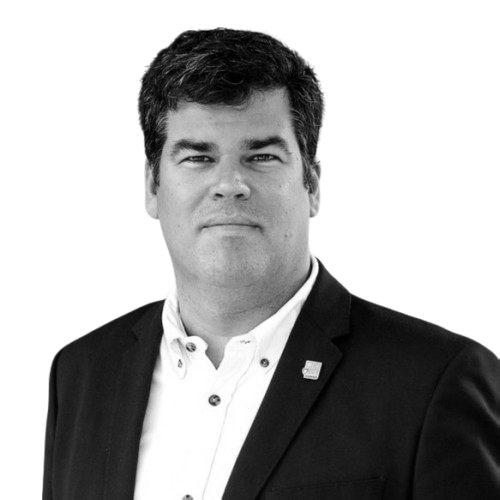
Ricardo Mexia
Public Health Doctor and President of the Lumiar Parish Council
Graduated in Medicine in 2002 from the Faculty of Medical Sciences of NOVA University Lisbon, Ricardo Mexia completed a Master’s degree in Public Health in 2013 and is a graduate of EPIET – the European Programme for Intervention Epidemiology Training of the ECDC, completed in 2011.
He is currently part of the Department of Epidemiology at the National Institute of Health Doutor Ricardo Jorge. His work focuses mainly on communicable diseases, and he has been involved in the investigation and control of several outbreaks, including the 2016 measles outbreak and the 2017 Legionnaires’ disease outbreak at HSFX.
He has been responsible for the epidemiological surveillance of several mass gatherings, including BOOM Festival, Andanças Festival, the Centenary of the Pilgrimage to Fátima, the Eurovision Song Contest and the Torres Vedras Carnival, among others, developing a range of technological solutions for this purpose.
He is Coordinator of Gripenet, a participatory surveillance platform that contributes to the monitoring of the seasonal flu epidemic. He also collaborates in the evaluation process of the National Health Plan as part of the INSA team.
He has published and presented more than 30 papers at national and international scientific meetings in the fields of epidemiological surveillance, public health emergency and mass gatherings. He regularly appears as an interviewee on health-related topics across various media outlets, including television, radio, online media and the written press.
He has been an Invited Assistant Professor on the Integrated Master’s Degree in Medicine at the Faculty of Medicine of the University of Lisbon since 2014, and on the Integrated Master’s Degree in Medicine and the Bachelor’s Degree in Biomedical Sciences at the Department of Biomedical Sciences and Medicine of the University of Algarve since 2015.
He is a National Defence Auditor, having attended the National Defence Course in 2018/19. He is currently President of the National Association of Public Health Doctors, a position he has held since 2016, and Vice-President of the Communicable Disease Control Section of the European Public Health Association, since 2019.
Sessions in which participates
Personalized Prevention and the Promotion of the Healthcare of the Future
Parallel Session 1
Personalized prevention is transforming the way we promote health by combining data, genetics, lifestyle, and technology to anticipate risks and enable early intervention. This session explores innovative approaches that place the individual at the center of care, promoting healthy habits, greater autonomy, and improved health outcomes throughout life, while contributing to the long-term sustainability of healthcare systems.
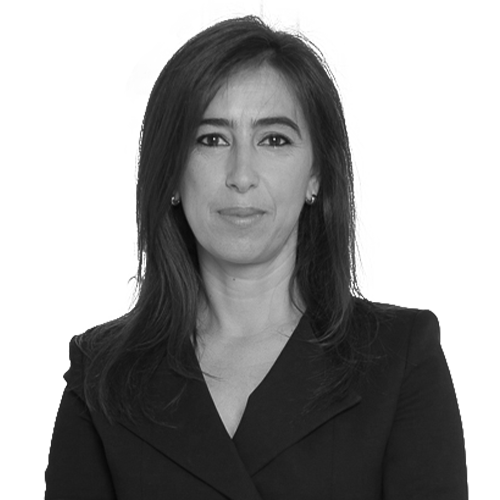
Alexandra Bento
Former President of the Portuguese Nutritionists’ Association
PhD in Food Consumer Sciences from the Faculty of Nutrition and Food Sciences of the University of Porto.
President of the Portuguese Nutritionists’ Association from 2012 to 2023, President of the Installation Committee of the Portuguese Nutritionists’ Association from 2011 to 2012, and President of the Portuguese Association of Nutritionists from 1998 to 2011.
Senior Advisor in the Health Senior Technician career at the National Institute of Health Dr Ricardo Jorge. Guest Professor at the Faculty of Medical Sciences of NOVA University Lisbon and at the School of Biotechnology of the Universidade Católica Portuguesa.
She holds a Master’s degree in Food Innovation from the Universidade Católica Portuguesa, a postgraduate qualification in Health Management from Católica Porto Business School, and a degree in Nutrition Sciences from the Faculty of Nutrition and Food Sciences of the University of Porto.
Sessions in which participates
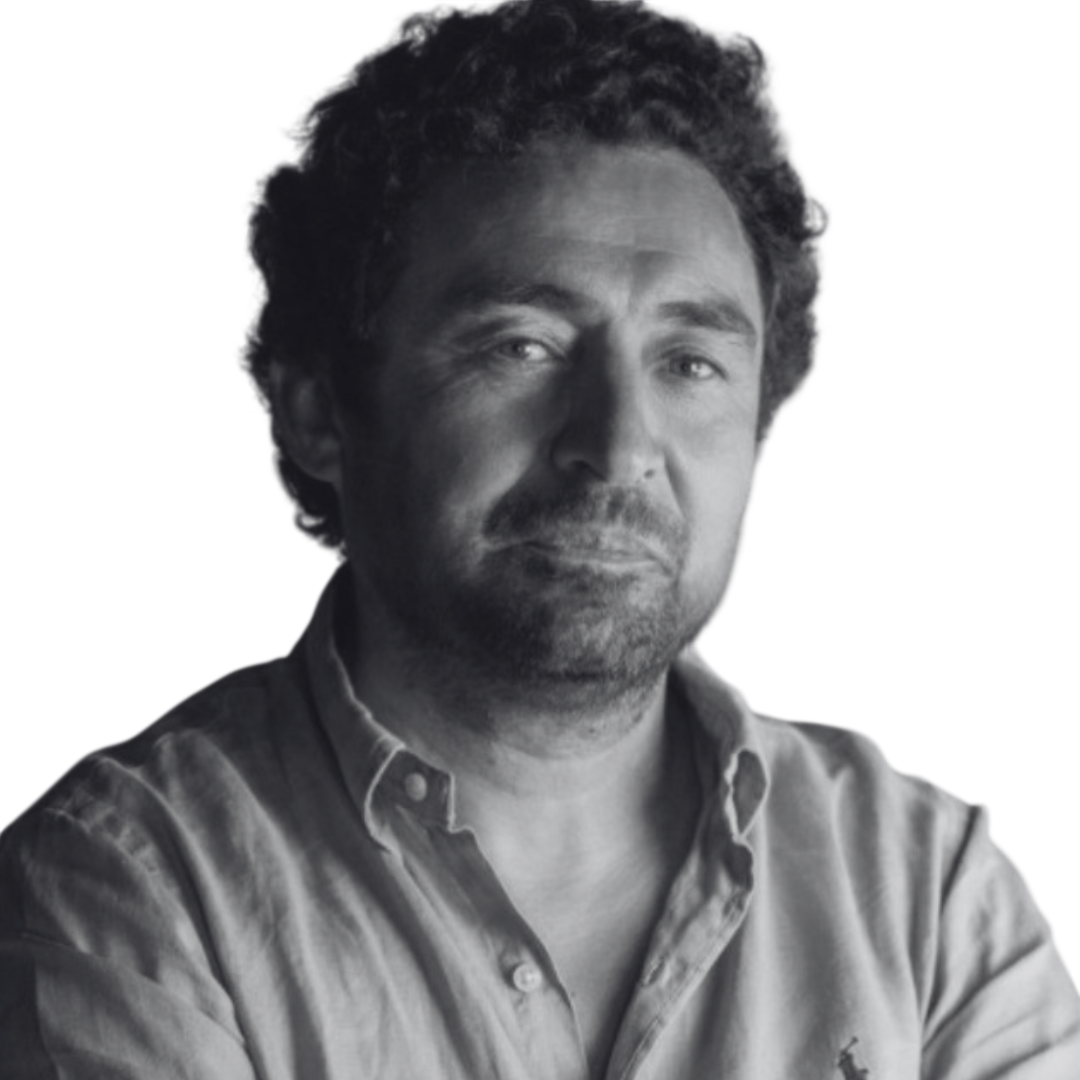
Paulo Carvalho
Founder and CEO of Vivid Foods and Vivid Farms
He is the founder and CEO of Vivid Foods and Vivid Farms, one of the most award-winning and dynamic regenerative agriculture projects in Portugal. After establishing himself in the conventional agri-food sector, the entrepreneur redirected his career toward ecological sustainability after questioning the environmental and social impact of traditional production models.
Together with co-founder Ana Carvalho, he established Vivid Farms in the Santarém region. The project began with the rehabilitation of 20 hectares of severely degraded clay soils. Through rigorous soil conservation practices and the promotion of biodiversity, the property recently expanded by an additional 100 hectares and currently cultivates more than 70 species of vegetables and 23 varieties of fruit trees.
Under his leadership, Vivid Farms has gained significant national and international recognition:
Producer of the Year 2025: An award presented at the prestigious Mesa Marcada Awards.
Top 50 Farmers: International recognition from the European agricultural sustainability platform.
Educational Initiative: Creation of a technical training center on the farm, promoting workshops and partnerships with institutions such as the Santarém School of Agriculture to bring chefs, students, and farmers closer together.
Paulo Carvalho stands out today as an active voice in the global ecological transition, demonstrating that regenerative agriculture is a viable, productive, and essential model for the future of the food system.
Sessions in which participates
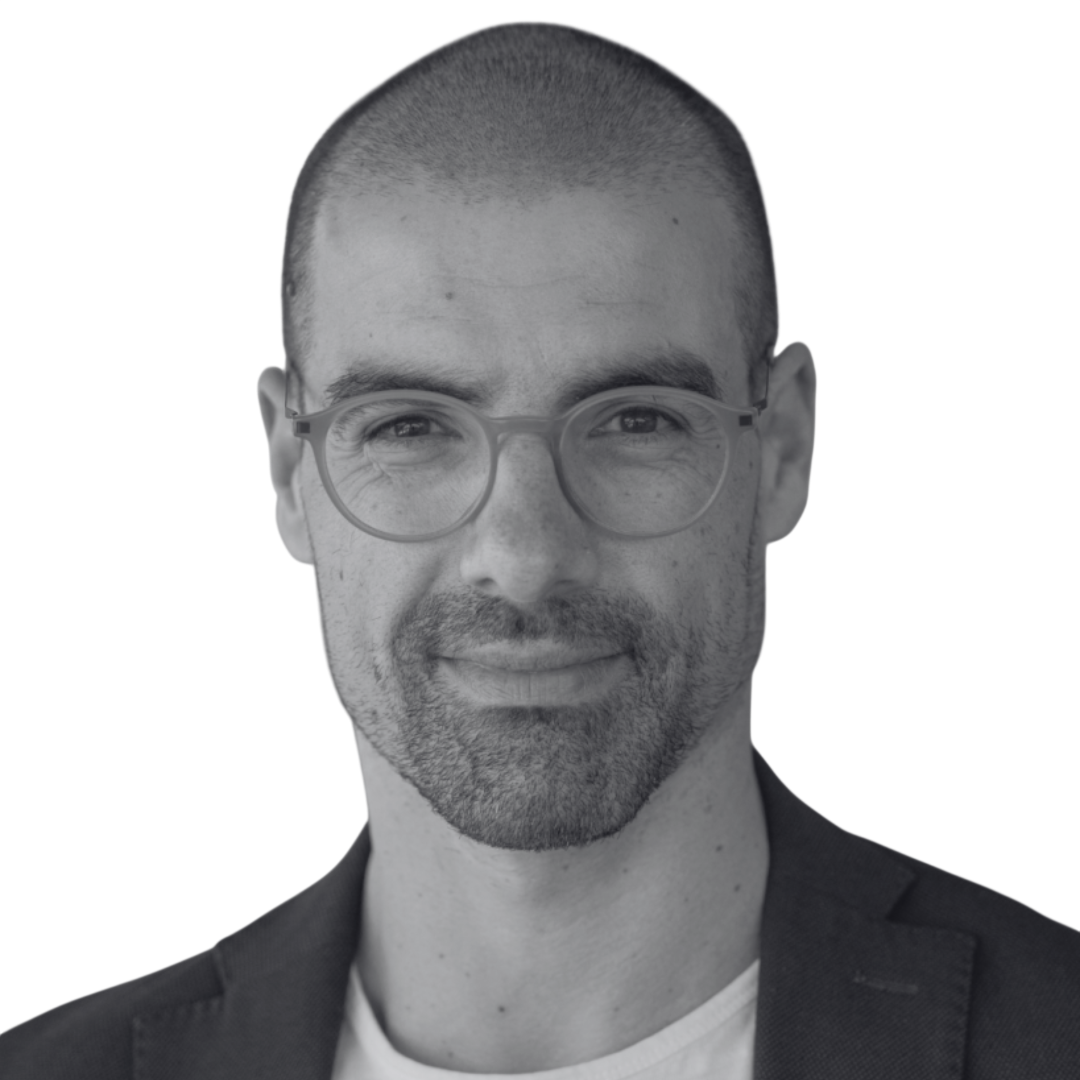
Tiago Pereira
CEO of the Mendes Gonçalves Foundation
Tiago Pereira is CEO of the Mendes Gonçalves Foundation, where he leads the strategy and development of initiatives based on three pillars—education, regeneration, and nutrition—with a focus on building more empowered, inclusive, and resilient communities. A psychologist specializing in Occupational, Social, and Organizational Psychology as well as Educational Psychology, he has served as an executive board member, COO, and coordinator of the COVID-19 Crisis Office and the “End Poverty” project at the Portuguese Order of Psychologists. He is a trainer, researcher, and consultant in the areas of behavior, change, communication, leadership, team management, trust, health, and public policy, and has served as a Visiting Assistant Professor at the University of Évora, where he coordinated social, community, and educational intervention projects. As a citizen and psychologist, he strives to live up to what led him to choose this profession: the conviction that social transformation, with the contribution of science, can promote health, well-being, and the possibility of self-determination for all people and, in this sense, contribute to everyone’s future.
Sessions in which participates

Sílvia Coutinho
Associate Professor at Universidade Europeia.
Ph.D. in Clinical Medicine from the Norwegian University of Science and Technology (NTNU). Master’s degree in Community Health from Nova Medical School. Bachelor’s degree in Dietetics and Nutrition from the Lisbon School of Health Technologies.
Specializations in the areas of public health and nutrition, with a focus on obesity, ranging from the molecular level (e.g., appetite markers) to socioeconomic and environmental dietary contexts, examining the interaction between food systems and healthy, sustainable dietary practices.
Sessions in which participates
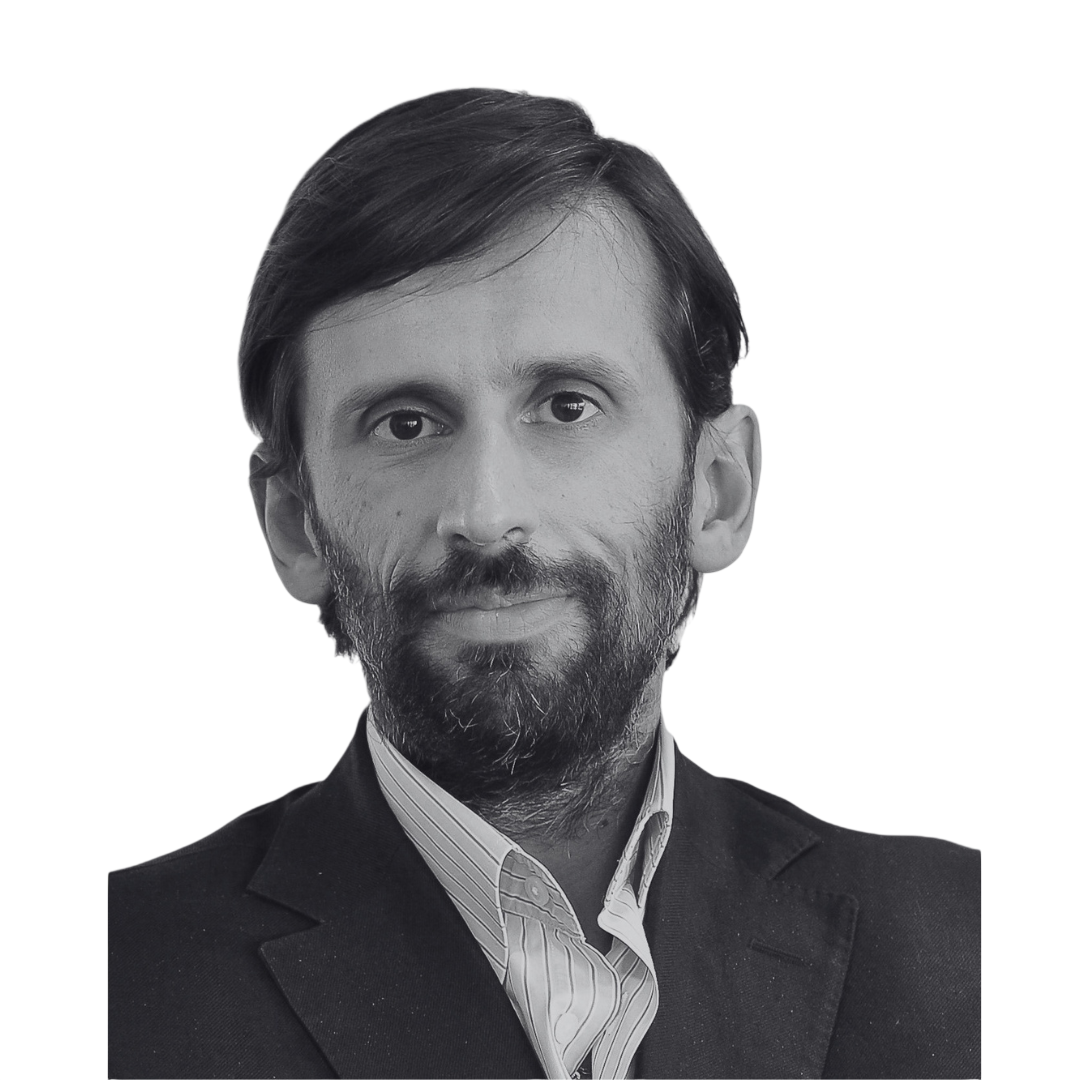
José Camolas
Clinical Nutrition Specialist
José Camolas is a registered nutritionist (Professional Licence No. 0068N) and a specialist in Clinical Nutrition accredited by the Portuguese Order of Nutritionists. He holds a Master’s degree in Clinical Nutrition and a PhD in Metabolic Diseases and Eating Behaviour.
He currently practises at the Santa Maria Local Health Unit and the Social Services Department of Lisbon City Council. He also collaborates with several academic institutions, including as an Invited Assistant Professor at the Faculty of Medicine of the University of Lisbon and at the Egas Moniz School of Health and Science.
He has participated in several funded research projects, has published a range of scientific papers, and regularly takes part in national and international scientific events.
Sessions in which participates
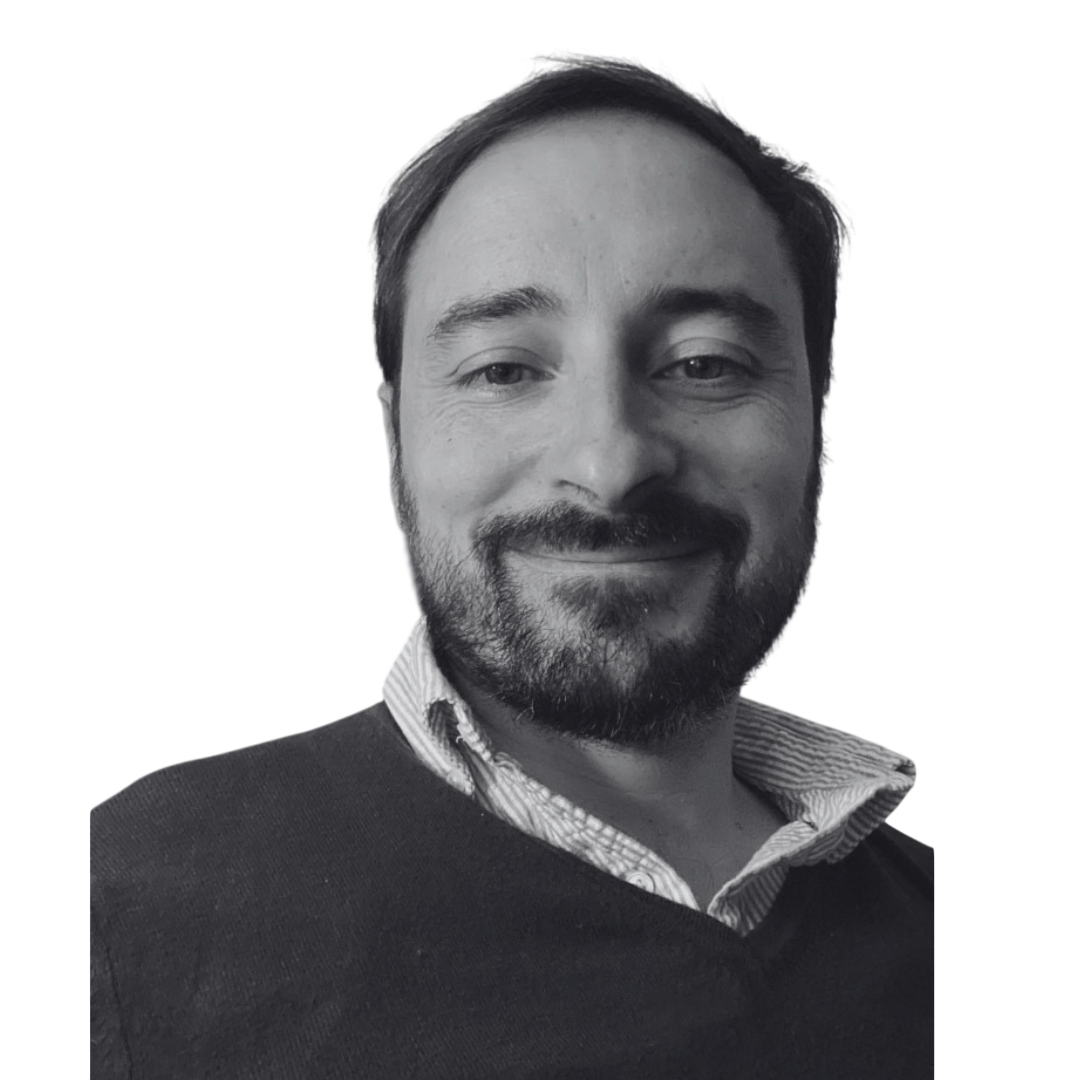
Ricardo Abreu de Assunção
Director of the Research and Development Unit of the Department of Food and Nutrition at the National Institute of Health Doutor Ricardo Jorge (INSA)
Ricardo Assunção is a Research Scientist and Head of the Research and Development Unit at the Department of Food and Nutrition of the National Institute of Health Doutor Ricardo Jorge (INSA), and also an Associate Professor at the Egas Moniz School of Health & Science. Trained as a veterinarian, he holds a PhD in Veterinary Sciences and is a Registered European Toxicologist. His scientific work centres on food safety, food toxicology, and the risk and risk-benefit assessment of foods, with a particular focus on how diet shapes public health and healthy ageing, and on the sustainability of food systems, from a One Health perspective. He has participated in and coordinated national and international projects generating scientific evidence to support food and health policy, including work on dietary transition and disease prevention. He is author and co-author of numerous scientific publications and has been actively involved in teaching and advanced training on food safety, public health, and the role of diet in promoting healthier, longer lives.
Sessions in which participates
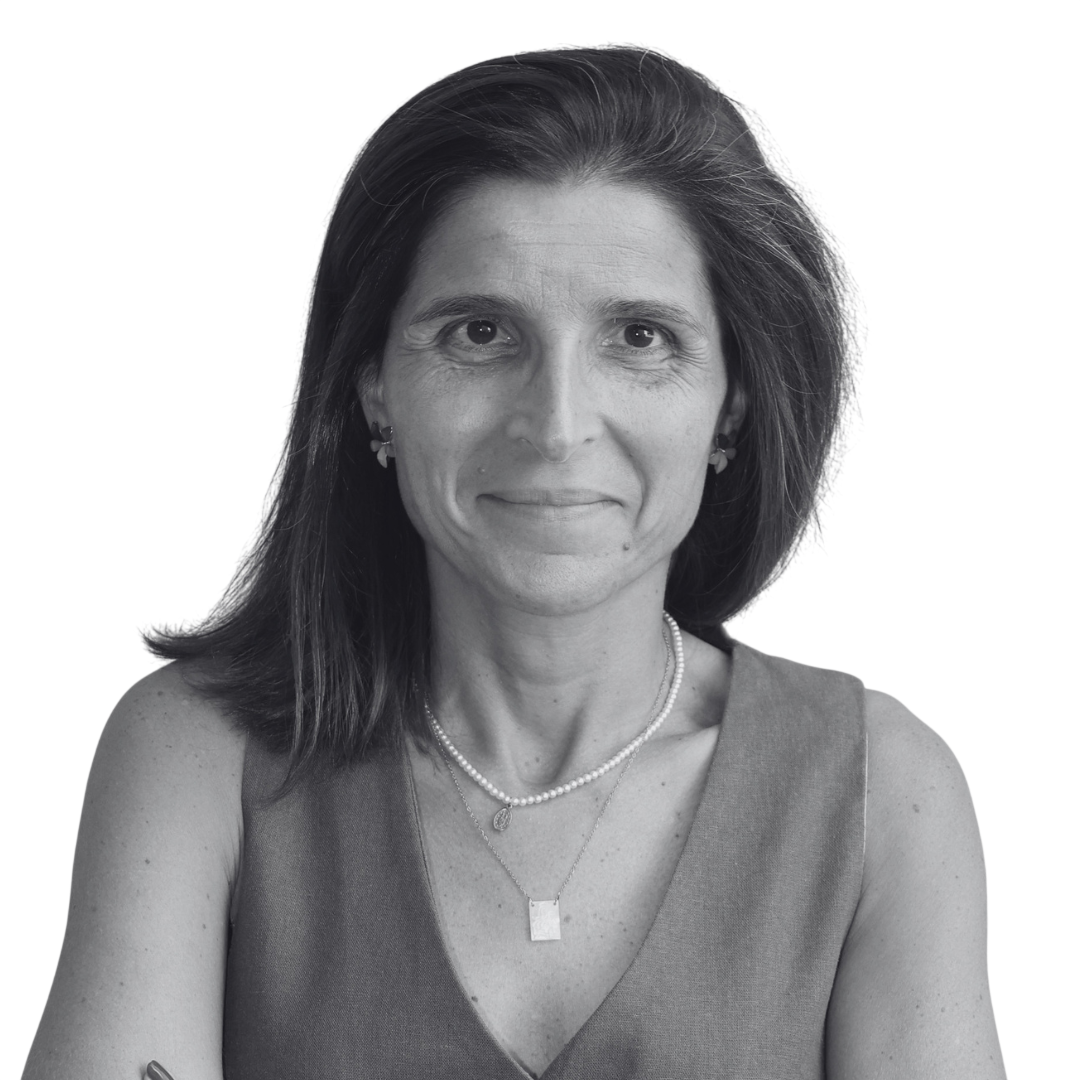
Joana Sousa
Associate Professor of Nutrition at the Faculty of Medicine, University of Lisbon
Associate Professor of Nutrition at the Faculty of Medicine of the University of Lisbon, with a Ph.D. in Public Health and expertise in Community Nutrition and Public Health. She has been engaged in academic, scientific, and professional work in the fields of Nutrition and Public Health for more than two decades. She has participated in and led research and intervention projects and has held key roles in advanced training, scientific guidance, and academic evaluation.
Sessions in which participates
Diet, Longevity, and Sustainable Lifestyles
Parallel Session 2
Diet and lifestyle play a decisive role in promoting healthy longevity. This session explores the relationship between nutrition, disease prevention, and well-being throughout life, highlighting sustainable dietary patterns, healthy behaviors, and the environmental impact of individual choices, contributing to a better quality of life and more sustainable systems.
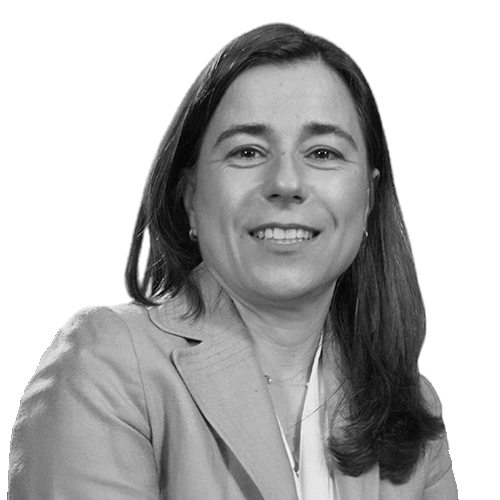
Sónia Dias
Director of the National School of Public Health at NOVA University Lisbon
Full Professor, PhD and Habilitated in International Health by NOVA University Lisbon, and graduate in Psychology from the University of Lisbon. She is Coordinator of the Public Health Research Centre.
Previously, she was Coordinator of the PhD Programme in International Health at IHMT/NOVA University Lisbon, Director of the International Public Health Unit and Coordinator of the thematic line “Health Challenges of Travellers and Migrants” at the Global Health and Tropical Medicine research centre/NOVA University Lisbon.
She works as a consultant for several international organisations, including the European Centre for Disease Prevention and Control, the World Health Organization and the International Organization for Migration, among others.
Her academic work focuses on topics related to community health, the health of vulnerable populations, including migrant populations, health promotion, disease prevention, sexual health, and access to and use of health services.
Sessions in which participates
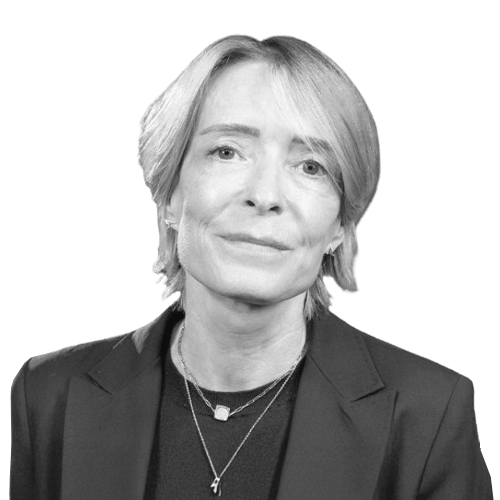
Anne Geubelle
CEO of Prologica
Anne Geubelle works at the intersection of healthcare, data and transformation, supporting organisations in the use of technology and artificial intelligence to improve care delivery and the performance of health systems. She is co-founder of NAVAENA, an initiative that promotes new longevity models based on community, behavioural change and data-driven digital ecosystems. Her work focuses on creating environments that support longer, healthier and more meaningful lives.
Sessions in which participates
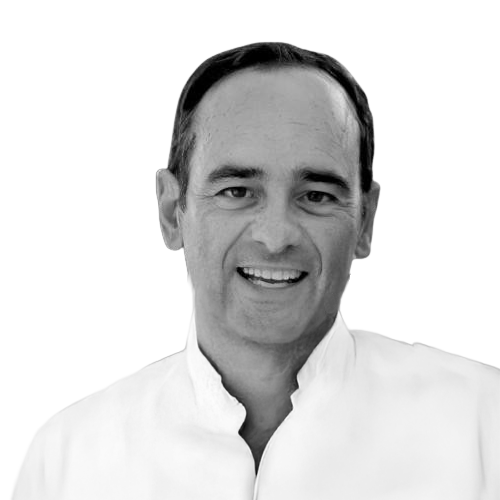
Raul Azevedo
Chief Operating Officer (COO) of the European Longevity Hub (ELH)
He holds a degree in Engineering from the Faculty of Engineering of the University of Porto (FEUP) and has a Master of Business Administration (MBA), combining a solid technical background with advanced skills in management, innovation, and business strategy. He leads operational execution, the implementation of the growth strategy, and the development of programs dedicated to preventive health, longevity, and healthcare innovation. In this role, he promotes collaboration between the European innovation ecosystem, research institutions, technology companies, investors, and healthcare-sector organizations, driving strategic partnerships and the internationalization of initiatives in the field of longevity.
With a well-established career in international management and strategy, he has accumulated more than three decades of professional experience across various markets on five continents. Throughout his career, he has held strategic consulting roles, advising governments, large companies, small and medium-sized enterprises, and investment funds on international expansion projects, organizational transformation, business development, and strategic assessment. Recognized as one of the driving forces behind the European longevity ecosystem, he regularly participates as a speaker and moderator at international conferences dedicated to healthcare innovation, preventive medicine, digital transformation, and the longevity economy. His work has helped bring together science, technology, entrepreneurship, and public policy, promoting innovative models that address the challenges of population aging and the creation of healthier, more sustainable societies that are better prepared for increased longevity.
Sessions in which participates
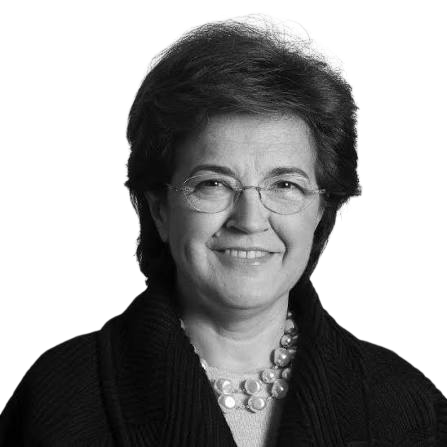
Ana Jorge
Minister of Health in the XVII and XVIII Constitutional Governments
Ana Jorge earned her medical degree from the University of Lisbon in 1973 and later specialized in pediatrics. Throughout her clinical career, she worked for 15 years at D. Estefânia Hospital and served as director of the Pediatrics Department at Garcia de Orta Hospital. In the political arena, she served as Minister of Health in the 17th and 18th Constitutional Governments and also chaired the Lisbon and Tagus Valley Regional Health Administration. At the same time, she was deeply involved in institutional and academic activities, serving as president of the Garcia de Orta Center and of the Council of the Institute of Hygiene and Tropical Medicine. She also coordinated the Mission Unit at Hospital da Estrela for Long-Term Care at Santa Casa da Misericórdia de Lisboa.
Sessions in which participates
To confirm
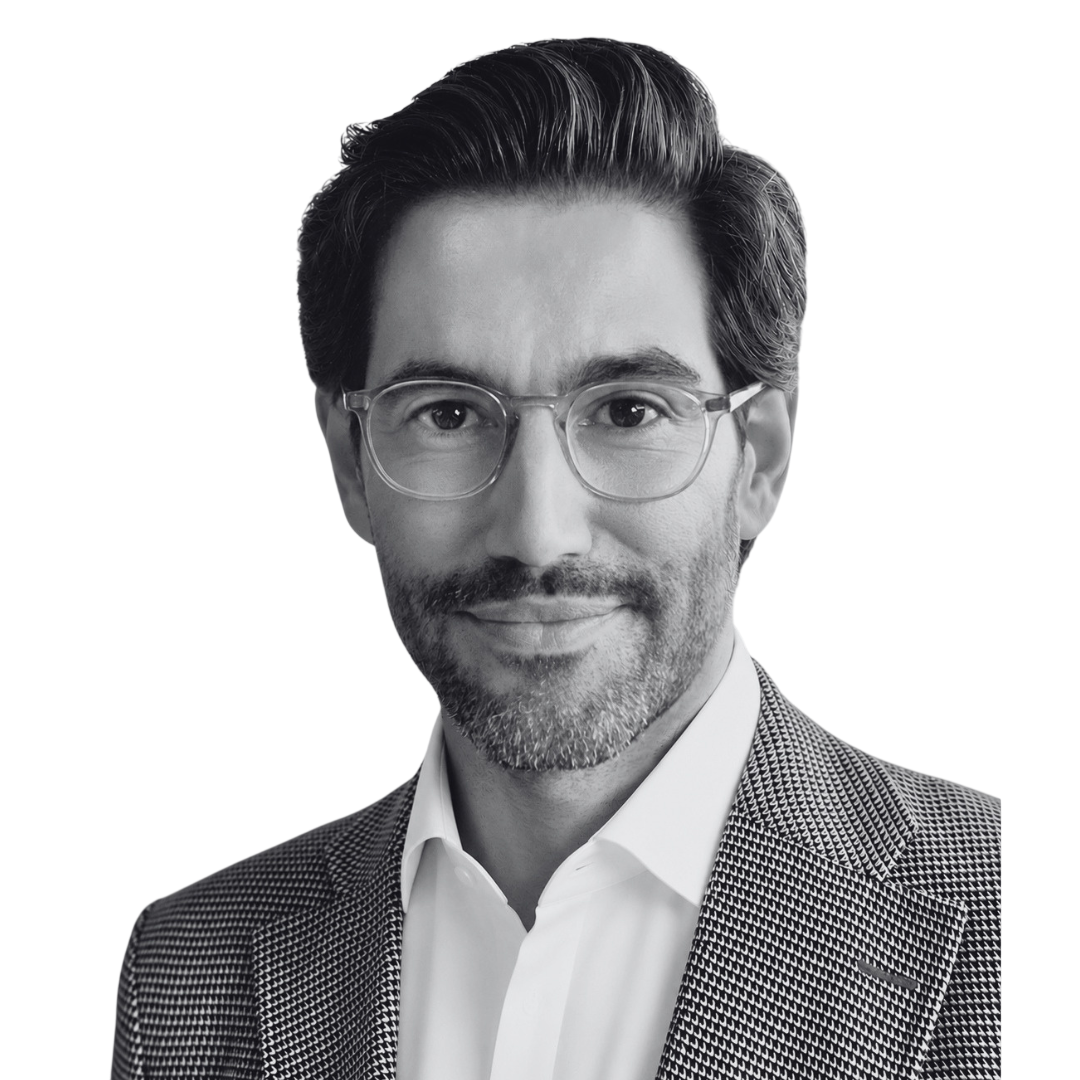
Diogo Medina
Medical Director at Novartis Portugal
Sessions in which participates
Social Determinants of Longevity
Parallel Session 3
Longevity is strongly influenced by social, economic, and environmental factors. This session explores how income, education, housing conditions, access to healthcare, and social networks affect health throughout life, examining inequalities and opportunities to promote greater equity, inclusion, and improved health outcomes in contemporary societies.

Ema Paulino
President of the Portuguese National Association of Pharmacies
Ema Paulino is a community pharmacist and the owner of a pharmacy in Almada, Portugal. She is currently Managing Director and Professional and Scientific Coordinator at Ezfy. Since June 2021, she has served as President of the Portuguese National Association of Pharmacies.
She previously served on the National Board of the Portuguese Pharmaceutical Society until June 2021, as President of its Lisbon and Southern Region Branch from 2012 to March 2019, and as a Board Member of the Portuguese National Association of Pharmacies from 2003 to 2012.
Until September 2021, she was a member of the Executive Committee of the International Pharmaceutical Federation (FIP), where she served as Professional Secretary. She had previously held several positions within the organisation, including Interim CEO, Vice-President and Secretary of the Community Pharmacy Section, as well as President and Project Coordinator of the Young Pharmacists Group.
While studying Pharmaceutical Sciences, she served as President of the Portuguese Association of Pharmacy Students (APEF) and as Coordinator of the Health Information, Promotion and Education Office at the Faculty of Pharmacy of the University of Lisbon (GIPES).
Ema is also a Board Member of the Pharmaceutical Care Network Europe (PCNE) and the International Primary Care Respiratory Group (IPCRG).
Sessions in which participates
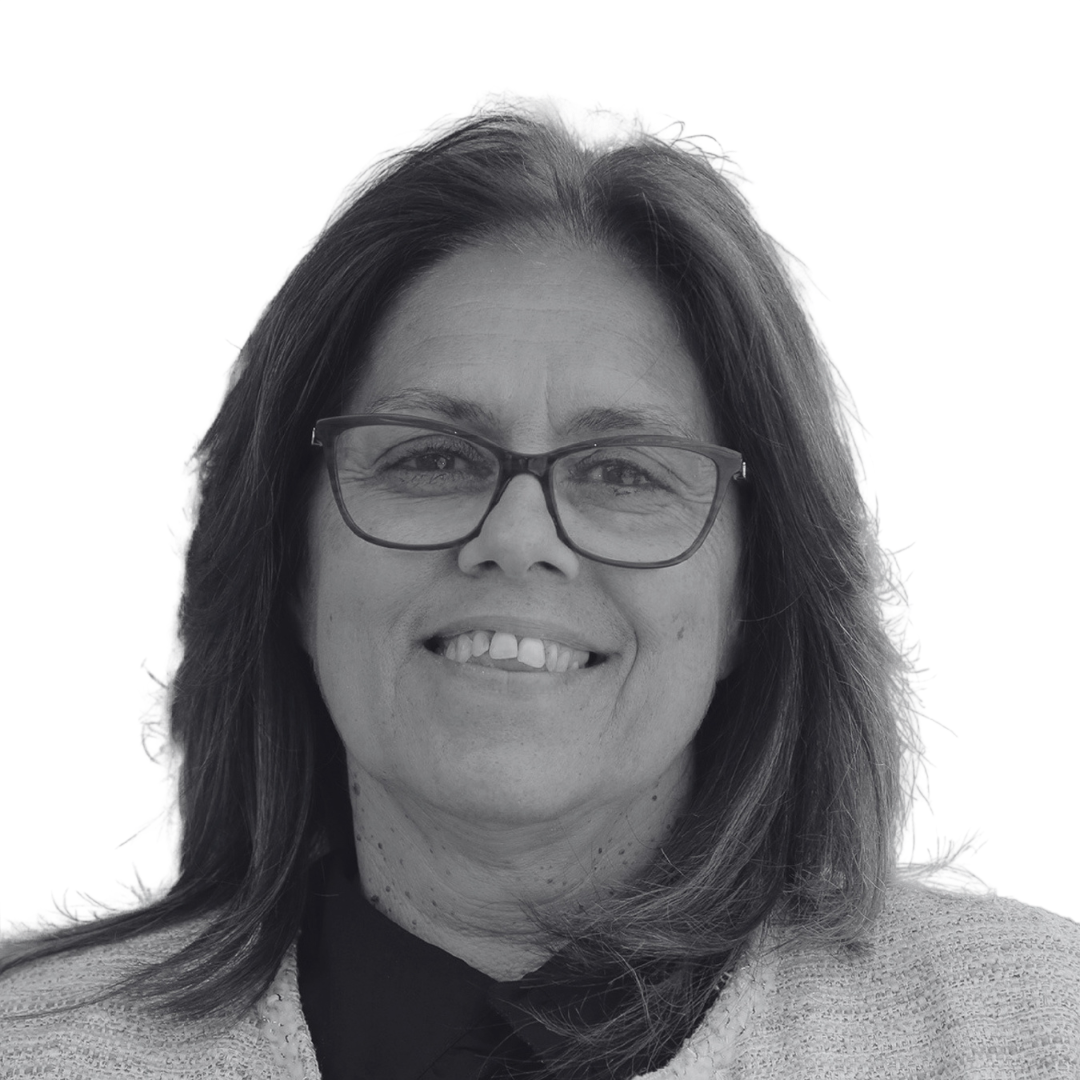
Manuela Pacheco
Pharmacist and Member of the Torres Vedras Municipal Assembly
She was born in Lisbon, where she studied and earned a degree in Pharmaceutical Sciences from the Faculty of Pharmacy at the University of Lisbon. She began her professional career in
the pharmaceutical industry, but it was in the municipality of Torres Vedras—specifically in the small village of Maceira—that she embraced community pharmacy, a field she remains in to this
day.
At the same time, and always driven by the healthcare sector and community pharmacies, she served as president of the AFP (Portuguese Pharmacy Association) for 10 years and currently
serves as vice president.
She founded Cant’Arte, a polyphonic choral group based in Torres Vedras, which she represents and promotes as a way to share the music and culture of our region, always prioritizing performances for charitable causes.
She is the mother of five children and the grandmother of ten grandchildren (six girls and four boys). As a hobby, she loves to travel, and she views every journey not only as a natural learning
process but also as an opportunity to help the people she visits.
Sessions in which participates
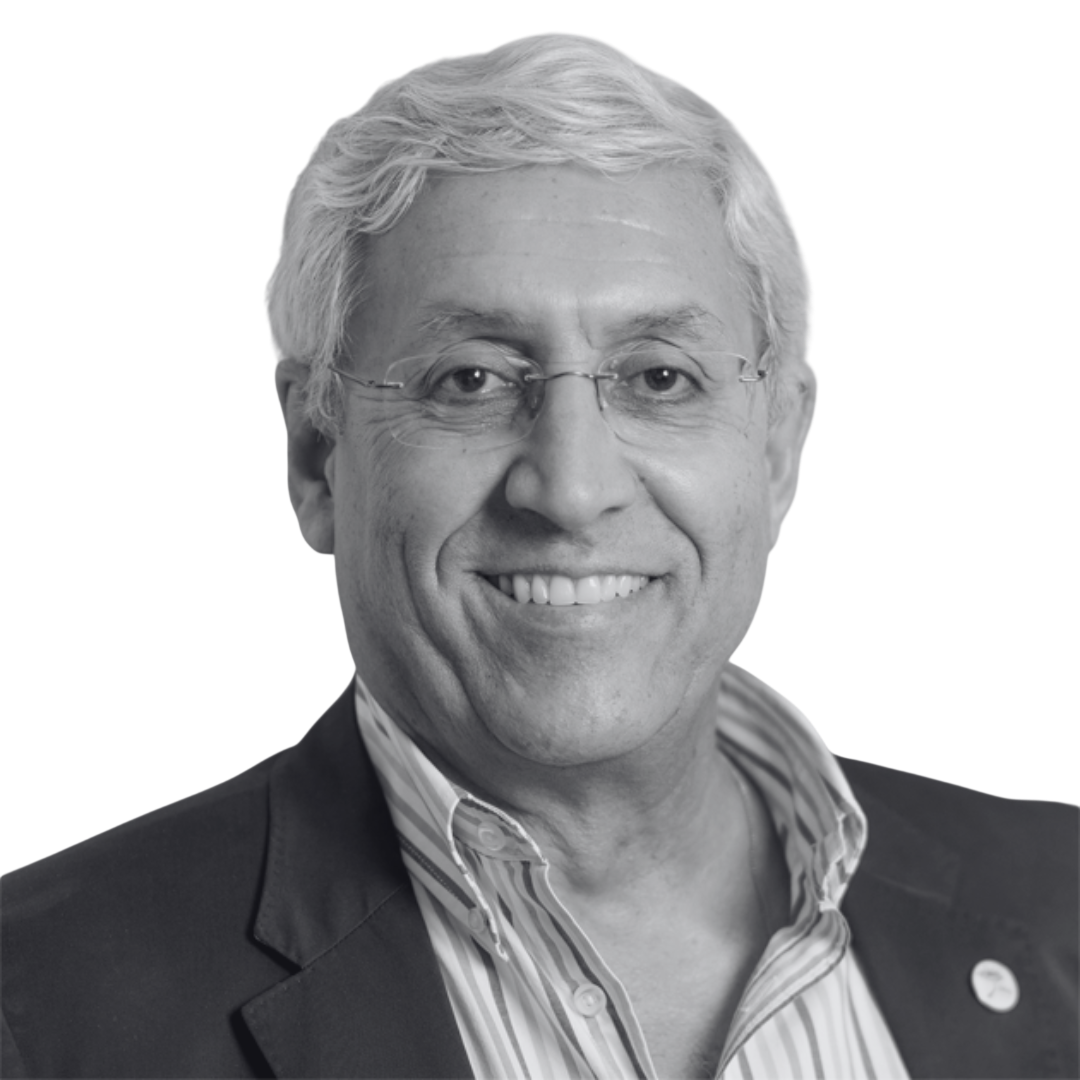
Jaime Melancia
Chair of the Board of Directors of Plataforma Saúde em Diálogo
Electrical engineer with a degree from IST. He is known for his advocacy on behalf of healthcare users in Portugal and Europe.
Sessions in which participates
Pharmacies and Community Care in an Ageing Society
Parallel Session 4
Community pharmacies play an increasingly important role in a long-lived society as accessible points of care, advice, and health services. This session explores their evolving role, highlighting new responsibilities in prevention, health management, and community support, as well as opportunities for innovation and closer engagement with citizens.
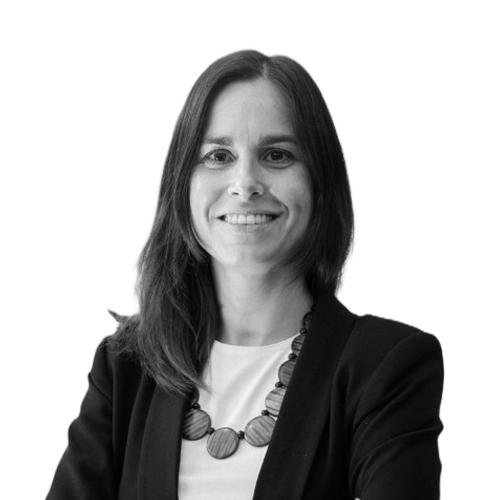
Catarina Baptista
Head of Health at NTT DATA Portugal
She currently serves as Head of Health at NTT DATA Portugal, leading innovation and digital transformation projects in the healthcare sector.
She is responsible for developing management strategies, promoting operational efficiency and implementing value-based care delivery models (Value-Based Healthcare), contributing to the modernisation and sustainability of healthcare organisations.
She has solid experience in hospital management, having held administration and management positions in several leading public and private institutions in Portugal. Throughout her professional career, she has consolidated expertise in strategic management, healthcare service organisation and the implementation of continuous improvement processes.
She is a board member of the Portuguese Association of Hospital Administrators (APAH), actively contributing to the discussion and development of healthcare management policies.
She holds a degree from Universidade Nova de Lisboa, complemented by specialised training in hospital management and health policy.
Sessions in which participates
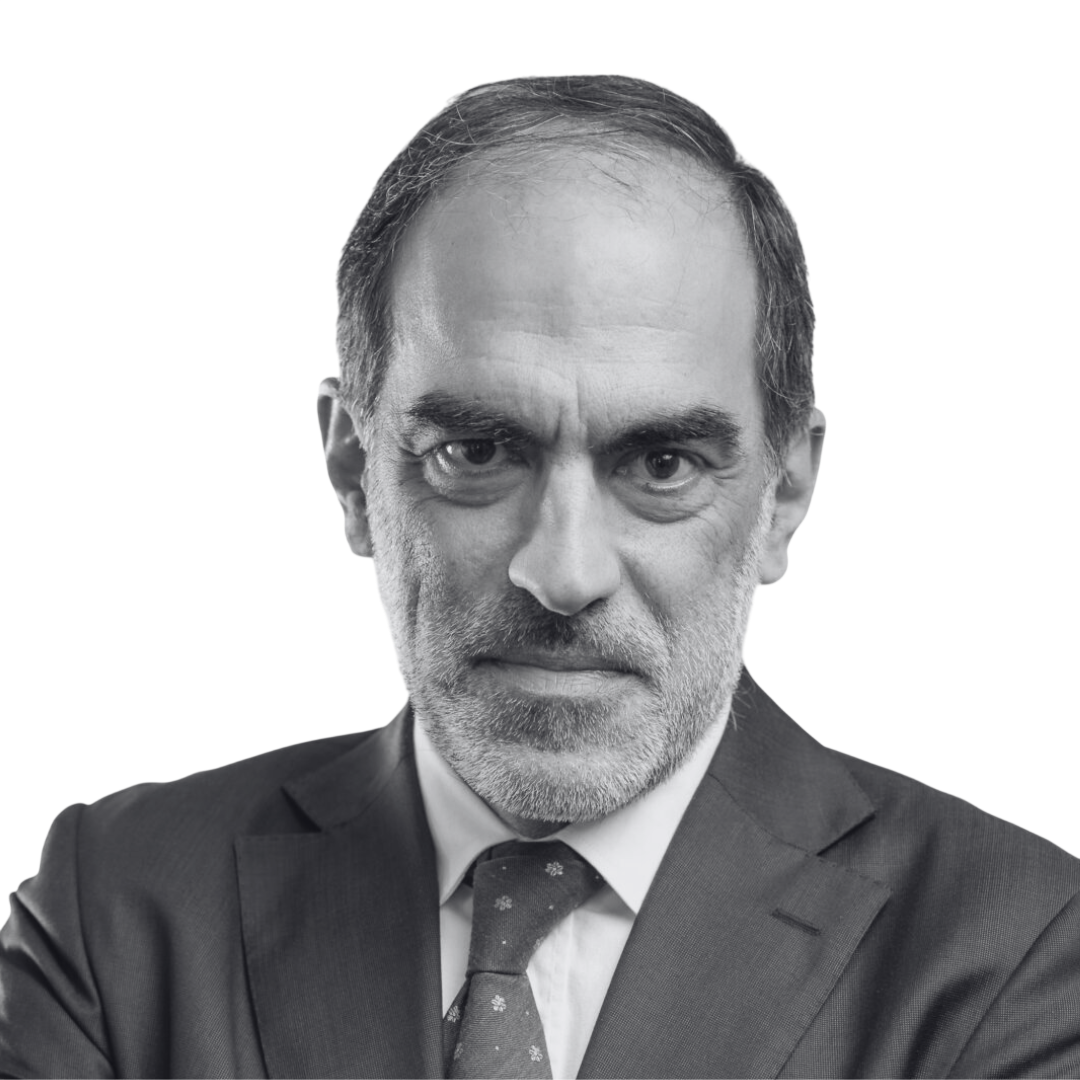
Fernando Miguel Pinto Oliveira Pereira
Member of the Management Board of the Executive Directorate of the National Health Service (DE-SNS)
He is a member of the Management Council of the Executive Board of the National Health Service (DE-SNS), a position he has held since June 2024. As part of his duties, he leads the DE-SNS’s Department of People Management, Well-Being Promotion, Diversity, and Sustainability.
He has a proven track record in the health sector and public administration. Previously, he served on the board of directors of the Braga Local Health Unit (ULS) as an executive member and was a member of the management team at its Academic Clinical Center. She holds a master’s degree in Economics from the University of Warwick (United Kingdom) and a specialization in Hospital Administration from the National School of Public Health at Universidade Nova de Lisboa (ENSP-NOVA). She currently also represents the DE-SNS on strategic committees focused on the planning and financing of the Portuguese healthcare system.
Sessions in which participates
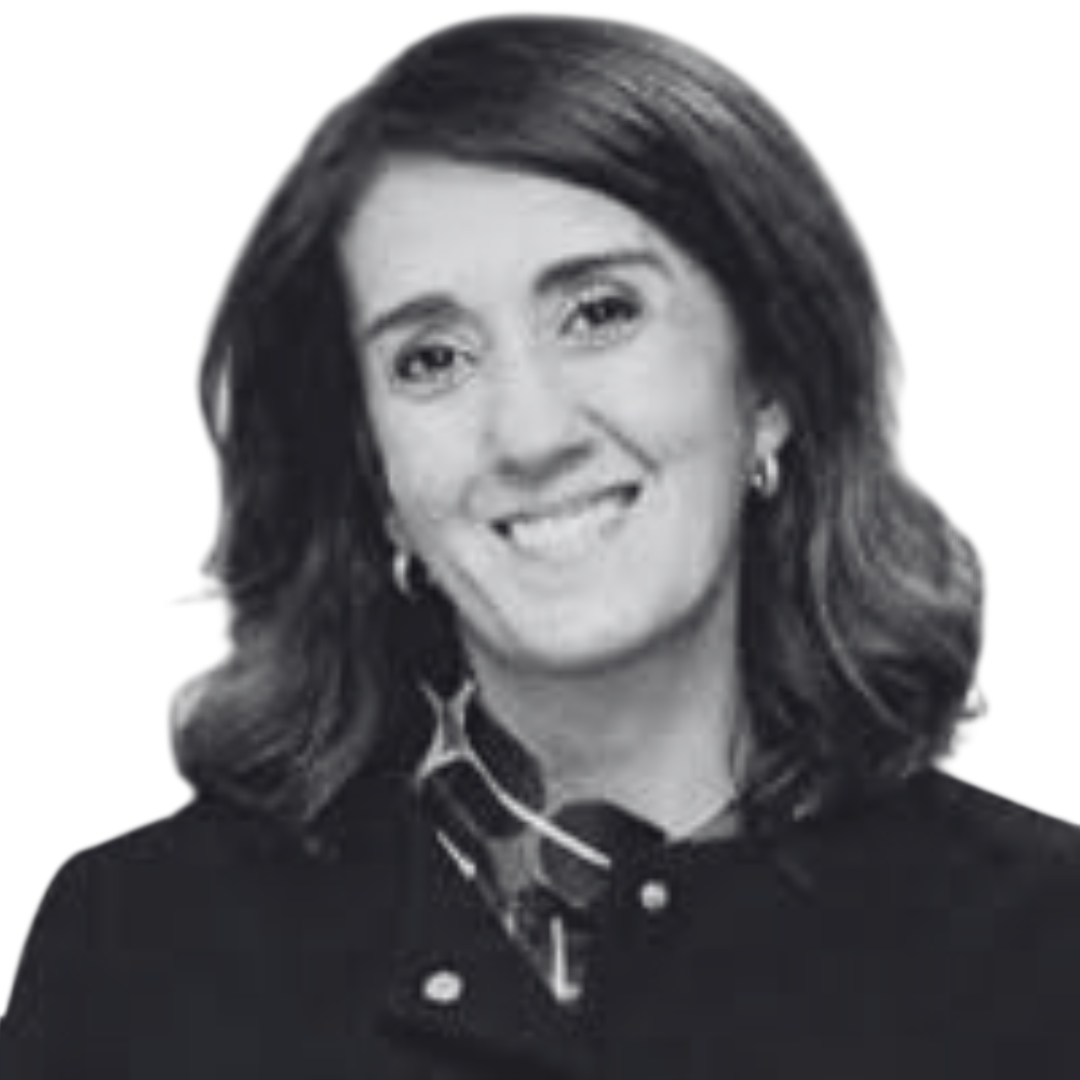
Catarina Paulino
Vogal Executiva do Conselho de Administração da Unidade Local de Saúde do Estuário do Tejo (ULSET)
She is the current Executive Member of the Board of Directors of the Tagus Estuary Local Health Unit (ULSET), where she has direct responsibility for the finance portfolio. Appointed in November 2025, she has a proven track record of more than 20 years of experience in hospital management, with extensive involvement in both the public and private healthcare sectors.
Before joining ULSET’s administration, she spent much of her career at ULS Amadora/Sintra between 2011 and 2025. At that institution, she served as Director of the Planning and Management Control Service, Manager of the Integrated Ophthalmology Responsibility Center, and Internal Auditor. In addition to her executive management duties, she is also dedicated to teaching at the higher education level.
Sessions in which participates

Francisca Vargas Lopes
President of APES
President of APES since 2025, Francisca Vargas Lopes holds a Ph.D. from Erasmus University Rotterdam—Public Health EMC and the Erasmus School of Economics—a master’s degree in International Health Policy and Health Economics from the London School of Economics and Political Science, and a master’s degree in Pharmaceutical Sciences from the Faculty of Pharmacy at the University of Lisbon. She currently works as a Health Policy Researcher in the Health Division of the OECD, a role she combines with a position as Assistant Professor at the Erasmus School of Health Policy & Management.
She began her professional career at the Center for Evidence-Based Medicine at the University of Lisbon’s Faculty of Medicine in 2013, and has also held positions at the Nuffield Trust think tank and the National Audit Office in London, as well as at the multinational pharmaceutical companies Pfizer UK and Merck Sharp & Dohme Portugal.
At APES, she served as Vice President (2023–2024), Member of the Executive Board (2021–2022), and Secretary of the General Assembly (2019–2021). She was also a member of the Association’s Early-Career Researchers Committee (CIIC).
Her research focuses on mental health, health and healthcare inequalities, and the development of evidence to inform public policy. Most of her academic work uses quasi-experimental methodologies and administrative data to evaluate interventions and programs in an observational context. At the OECD, she contributes to the development of the mental health portfolio, including supporting member countries in designing reforms and programs on the topic, developing new indicators, and fostering a cross-sectoral approach to public mental health policies. She also works on developing methods for the economic evaluation of preventive health measures.
Sessions in which participates
José Bento
Chairman of the Board of Directors of Cascais Hospital
Economist with postgraduate training at Stanford, with more than 25 years of experience in the healthcare sector, consulting and auditing, and leadership positions in several healthcare groups.
He is currently Chairman of the Board of Directors of Hospital de Cascais and CEO of the Ribera Portugal group.
Sessions in which participates
Who Pays for the Healthcare of the Future? Efficiency, Innovation, and Sustainability
Parallel Session 5
Discuss strategies for building more resilient healthcare systems, social protection systems, cities, and economies in response to climate change, demographic shifts, and the evolving needs of long-lived societies.
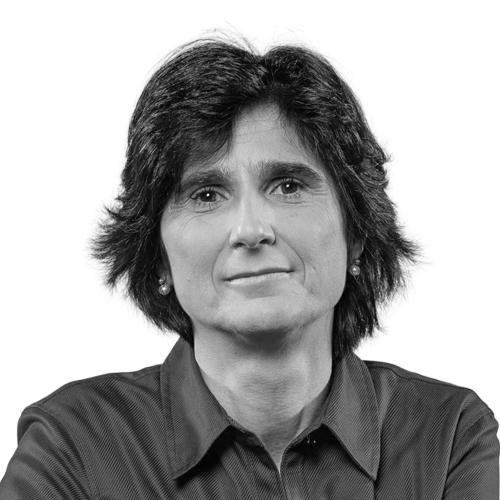
Maria Silveira
Health Strategic Orchestration at Médis, Grupo Ageas Portugal
Head of Strategic Orchestration for the Médis Health Ecosystem, Ageas Group. A native of Alentejo, yet hyperactive, and mother of three. She holds a degree in Communication Sciences from Nova FCSH and a master’s degree in Strategy, Marketing and Innovation from Nova SBE.
Sessions in which participates

Joana Barbosa
Partner at Return On Ideas
Sessions in which participates
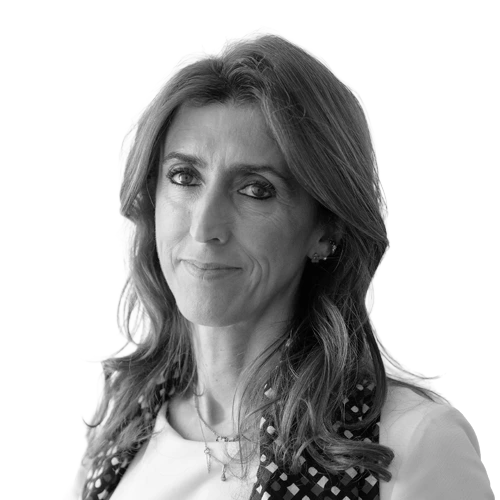
Conceição Calhau
Full Professor at NOVA Medical School
Full Professor at NOVA Medical School, where she coordinates the Degree in Nutrition Sciences, the Academic Area of Nutrition and Lifestyles, and the Lifestyle Medicine CUF by NOVA Medical School University Unit.
She is a senior researcher at CINTESIS, where she coordinates the Thematic Line on Preventive Medicine and Societal Challenges, and is part of the RISE Associate Laboratory in the area of Community Health and Societal Challenges.
Her research focuses on disease prevention and health promotion, with particular emphasis on the role of bioactive food compounds, such as polyphenols and omega-3 fatty acids, as well as the effects of endocrine disruptors and the microbiota on metabolic dysfunction.
Throughout her career, she has led and participated in numerous national and international research projects, funded by public institutions and developed in partnership with the pharmaceutical and agri-food industries.
She is the author of more than 120 scientific articles published in indexed international journals. She holds a PhD in Human Biology (2002) and a habilitation in Clinical Metabolism and Experimentation (2010) from the Faculty of Medicine of the University of Porto.
She has developed a distinguished career in the fields of nutrition, metabolism, preventive medicine and healthy lifestyles, combining research, teaching and innovation in healthcare.
Sessions in which participates
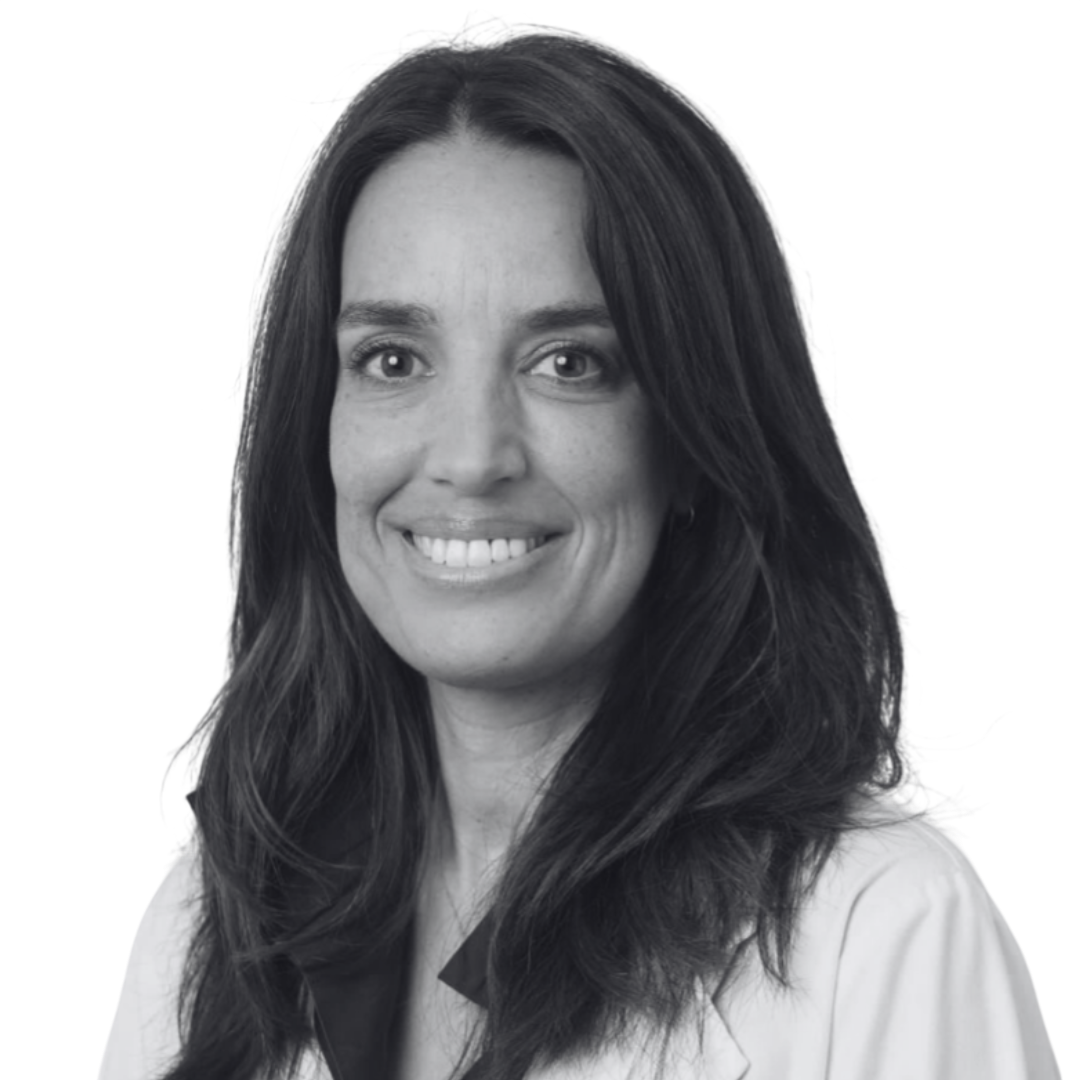
Maria João Magalhães
Gastroenterologist
Maria João Magalhães is a gastroenterologist whose practice focuses on digestive endoscopy and functional pathology, using a multidisciplinary approach. She is the author and co-author of publications in recognized scientific journals and has presented papers and research at national and international conferences and meetings.
She is a member of the leading national scientific societies in her specialty.
She has extensive experience in establishing and organizing gastroenterology units, with an integrated approach to patient care. She also holds clinical management positions, most notably currently serving as coordinator of the Gastroenterology-Clinical Medicine department at Médis.
Sessions in which participates
Paulo Carvalho
Founder and CEO of Vivid Foods and Vivid Farms
He is the founder and CEO of Vivid Foods and Vivid Farms, one of the most award-winning and dynamic regenerative agriculture projects in Portugal. After establishing himself in the conventional agri-food sector, the entrepreneur redirected his career toward ecological sustainability after questioning the environmental and social impact of traditional production models.
Together with co-founder Ana Carvalho, he established Vivid Farms in the Santarém region. The project began with the rehabilitation of 20 hectares of severely degraded clay soils. Through rigorous soil conservation practices and the promotion of biodiversity, the property recently expanded by an additional 100 hectares and currently cultivates more than 70 species of vegetables and 23 varieties of fruit trees.
Under his leadership, Vivid Farms has gained significant national and international recognition:
Producer of the Year 2025: An award presented at the prestigious Mesa Marcada Awards.
Top 50 Farmers: International recognition from the European agricultural sustainability platform.
Educational Initiative: Creation of a technical training center on the farm, promoting workshops and partnerships with institutions such as the Santarém School of Agriculture to bring chefs, students, and farmers closer together.
Paulo Carvalho stands out today as an active voice in the global ecological transition, demonstrating that regenerative agriculture is a viable, productive, and essential model for the future of the food system.
Sessions in which participates
The Gut Health of the Portuguese Population: An Unexplored Frontier
Parallel Session 6
Gut health is now recognized as a fundamental aspect of physical and emotional well-being. However, nearly 3 million Portuguese people live with persistent gut discomfort, although only 11% have a clinical diagnosis. Based on the results of the most recent Saúdes study, this session brings together experts from various medical fields and the food production sector to discuss the influence of gut health on quality of life and the role of dietary choices, prevention, and knowledge in a field that remains largely unexplored.
Jaime Melancia
Chair of the Board of Directors of Plataforma Saúde em Diálogo
Electrical engineer with a degree from IST. He is known for his advocacy on behalf of healthcare users in Portugal and Europe.
Sessions in which participates
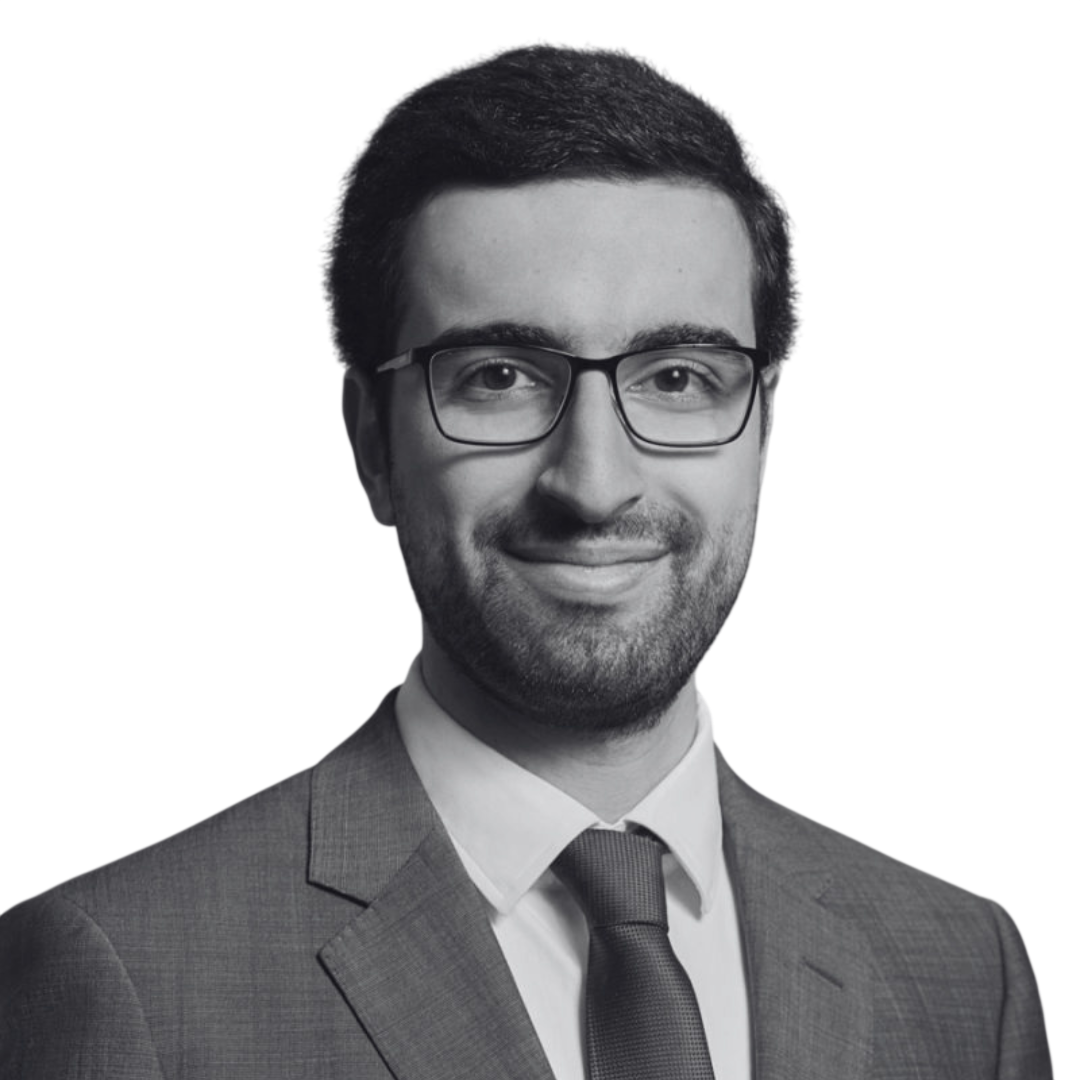
Eduardo Costa
Member of the Board of INFARMED I.P.
Eduardo Costa is a member of INFARMED, I.P. He holds a Ph.D. in Economics from Nova SBE and is an assistant professor at the Instituto Superior Técnico, where his research focuses on health economics. He is the author of more than 40 scientific publications.
Eduardo Costa holds a Ph.D. in Economics from Nova School of Business and Economics (Nova SBE), a degree he completed in 2021, after completing doctoral courses in Economics and Health Policy at the Swiss Society of Health Economics in 2018. He holds a master’s degree in Economics from Nova SBE (2016) and a bachelor’s degree in Economics from the same institution (2014).
Since 2024, he has been an assistant professor at the Instituto Superior Técnico (IST) of the University of Lisbon, where he teaches courses in the areas of Economics and Health Systems at the bachelor’s, master’s, and doctoral levels, as well as in executive education programs, with a special focus on Health Economics and Health Policy. That same year, he joined CEGIST—the Center for Management Studies at the Instituto Superior Técnico—as a staff researcher, conducting research focused on regulation and competition in the pharmaceutical market and the financial sustainability of public health spending.
He is the author or co-author of more than 40 publications, including scientific articles in peer-reviewed journals, reports, and book chapters, and has coordinated or participated in various studies and projects for public and private institutions in the field of health economics. Since 2024, he has served as a consultant to the Ministry of Health on economic affairs. He has also been a member of the National Commission for Reference Centers since 2023 and has served as an expert on the Health Technology Assessment Commission of INFARMED, I.P., since 2022.
Throughout his professional and academic career, he served as president of the Portuguese Association of Health Economics from 2023 to 2025, as a visiting professor and researcher at Nova SBE from 2017 to 2024, as a research fellow at Lancaster University in the United Kingdom in 2021, and a visiting researcher at Boston University and the Harvard School of Public Health in the United States in 2019. He also gained experience in the private sector as a strategic management consultant at Kearney in 2014 and between 2016 and 2017.
Over the years, at the Ministry of Health in Portugal, he held various positions, including: President (2002–2005) and Vice President of Infarmed (1994–2000; 2016–2019) and President (2014–2016) and Vice President (2011–2014) of the Central Administration of the Health System (ACSS, I.P.), and he has also held other executive and advisory roles in various health-related bodies, committees, and working groups.
Sessions in which participates
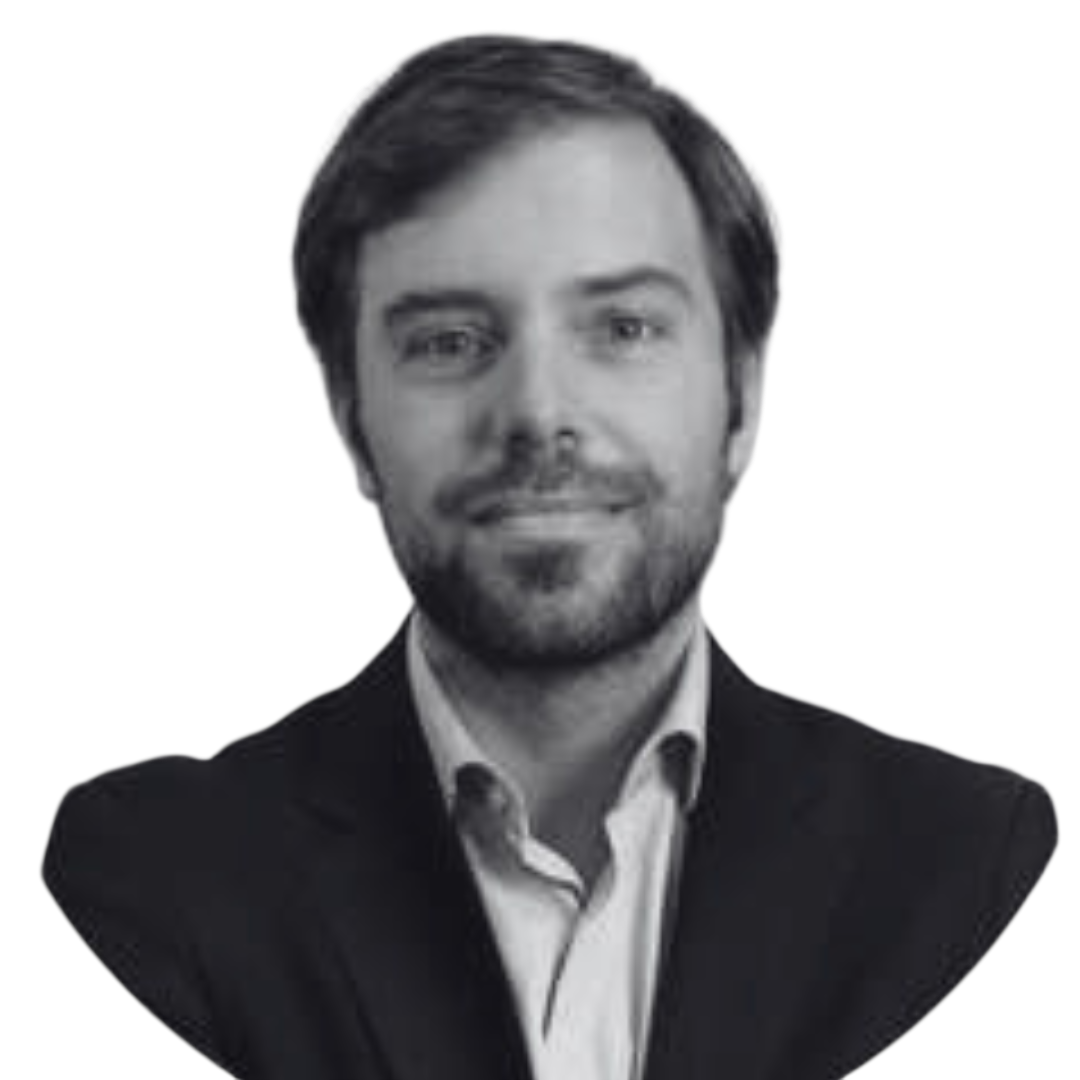
Miguel Telo de Arriaga
Director of the Directorate for Disease Prevention and Health Promotion at the Directorate-General of Health
He holds a Ph.D. in Psychology and serves as Director of Disease Prevention and Health Promotion Services and as a university professor. He coordinated national health literacy plans and served on DGS task forces during the COVID-19 pandemic. He represents Portugal in WHO and OECD groups focused on public and behavioral health. He is active as a researcher with numerous publications and was awarded the Dr. Francisco George Public Health Prize (2018).
Sessions in which participates
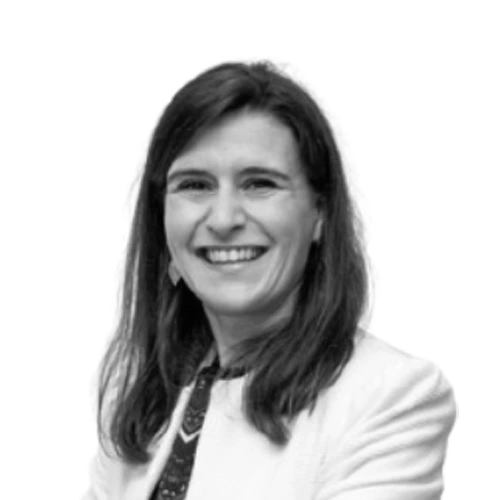
Tânia Saraiva
Specialty Care & Oncology Director at GSK
Her professional career is marked by strategic leadership and the management of multidisciplinary teams in the healthcare sector.
As part of GSK Portugal, she has progressed continuously in roles of high regulatory and commercial responsibility. In her role as Public Affairs Director, she is responsible for institutional relations, strategic partnerships and representing the company’s vision in public health panels.
Previously, she held the positions of Specialty Care & Oncology Director and Commercial Manager, where she led the pharmaceutical company’s hospital unit, covering the areas of Oncology, Haemato-Oncology, Autoimmune and Respiratory Diseases, and coordinated the launch of several innovative therapeutic solutions in the national market.
She began her career at the company as Brand Manager in the respiratory area, focused on product management and specific brands within that portfolio.
Academically, she holds a degree in Pharmaceutical Sciences from the Faculty of Pharmacy of the University of Lisbon, an Executive MBA from AESE Business School / IESE, and a postgraduate degree in Marketing from Universidade Católica Portuguesa.
Sessions in which participates
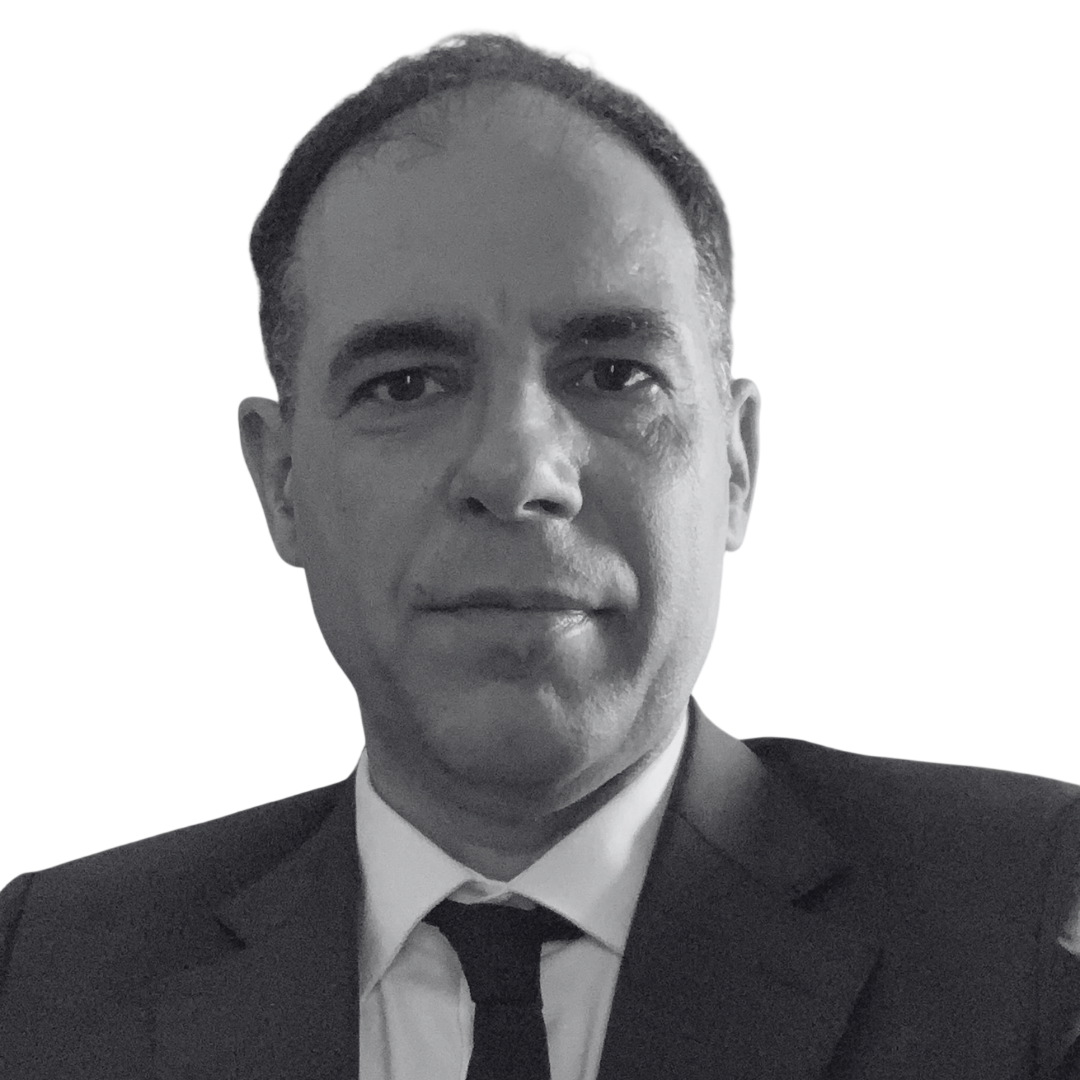
Pedro Vaz
Principal Investigator at the Champalimaud Foundation.
Ph.D. in Chemistry and is a principal investigator at the Champalimaud Foundation, focusing on the early detection of cancer through the analysis of volatile organic compounds in exhaled breath. He also serves as chief scientist and head of regulatory affairs at Preemie Health, a scale-up dedicated to neonatal intensive care. He is a Visiting Assistant Professor at the Faculty of Medicine of the University of Lisbon and teaches the elective course “Introduction to Clinical and Laboratory Research in Oncology.” He is a co-founder of AuroraTrials.org, a start-up dedicated to simplifying and streamlining recruitment for clinical trials. He is an elected fellow of the Royal Society of Chemistry in the United Kingdom.
Sessions in which participates
Investing in Innovation in Longevity
Parallel Session 7
Reconfiguring the model for access to therapeutic innovation in line with emerging demographic trends and challenges. How can we accommodate the growing impact of innovation while ensuring efficient and equitable access?
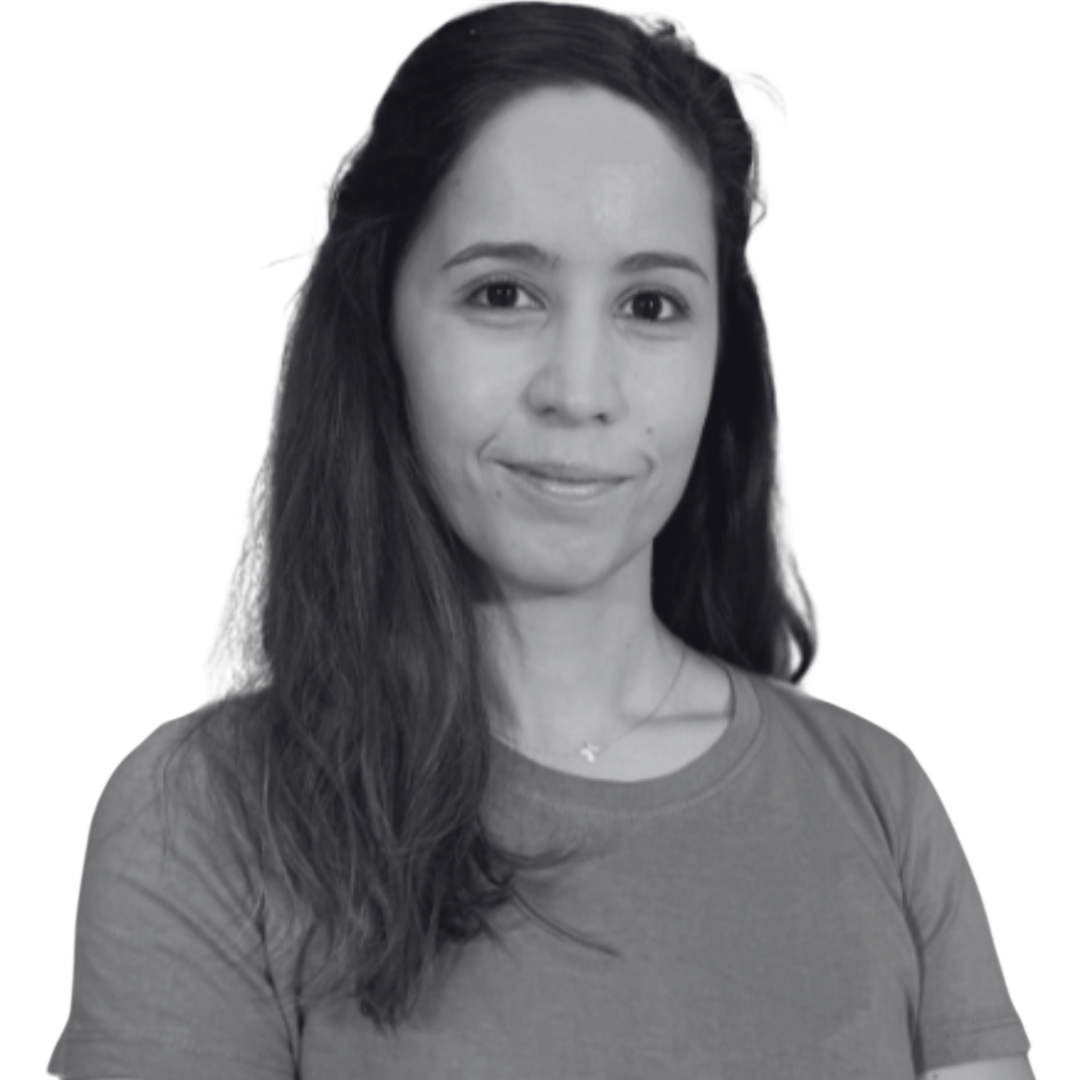
Olívia Oliveira
COO of Promptly Health
Biomedical Engineer, COO of Promptly Health—a health data technology company specializing in solutions for the European Health Data Space. Her expertise in digital health systems stems from her experience at the Portuguese Ministry of Health and in data engineering. She was a founding member of Promptly, where she leads areas such as technology partnership management and the scalability of the company’s operations.
She is currently a member of the Women Leaders program, led by the EIC, and is pursuing a Ph.D. in Health Data Science.
Sessions in which participates

Cláudia Furtado
Information and Strategic Planning Directorate at INFARMED
Cláudia Furtado is a Visiting Assistant Professor at ENSP NOVA. Her experience and research focus on the field of pharmaceuticals, specifically on issues related to pharmaceutical policy, health technology assessment, and pharmaceutical financing, as well as monitoring the use and effectiveness of pharmaceuticals. She also conducts research in the field of equity analysis in health care delivery and health care financing, with a particular focus on pharmaceuticals.
Cláudia Furtado serves as Director of the Information and Strategic Planning Directorate and the Health Technology Assessment Directorate at INFARMED—the National Authority for Medicines and Health Products, I.P. She represents INFARMED in various European networks, including the HTA Coordination Group, the National Competent Authorities for Pricing and Reimbursement, the WHO Collaborating Center for Pharmaceutical Pricing and Reimbursement Policies, and the International Horizon Scanning Initiative. She serves on the advisory board of the DARWIN EU project and on the Steering Board of the RWE4Decisions consortium.
She holds a Ph.D. in Public Health from ENSP NOVA, a Master’s degree in Public Health from ENSP NOVA, and a Bachelor’s degree in Pharmaceutical Sciences from the Faculty of Pharmacy at the University of Lisbon.
Sessions in which participates
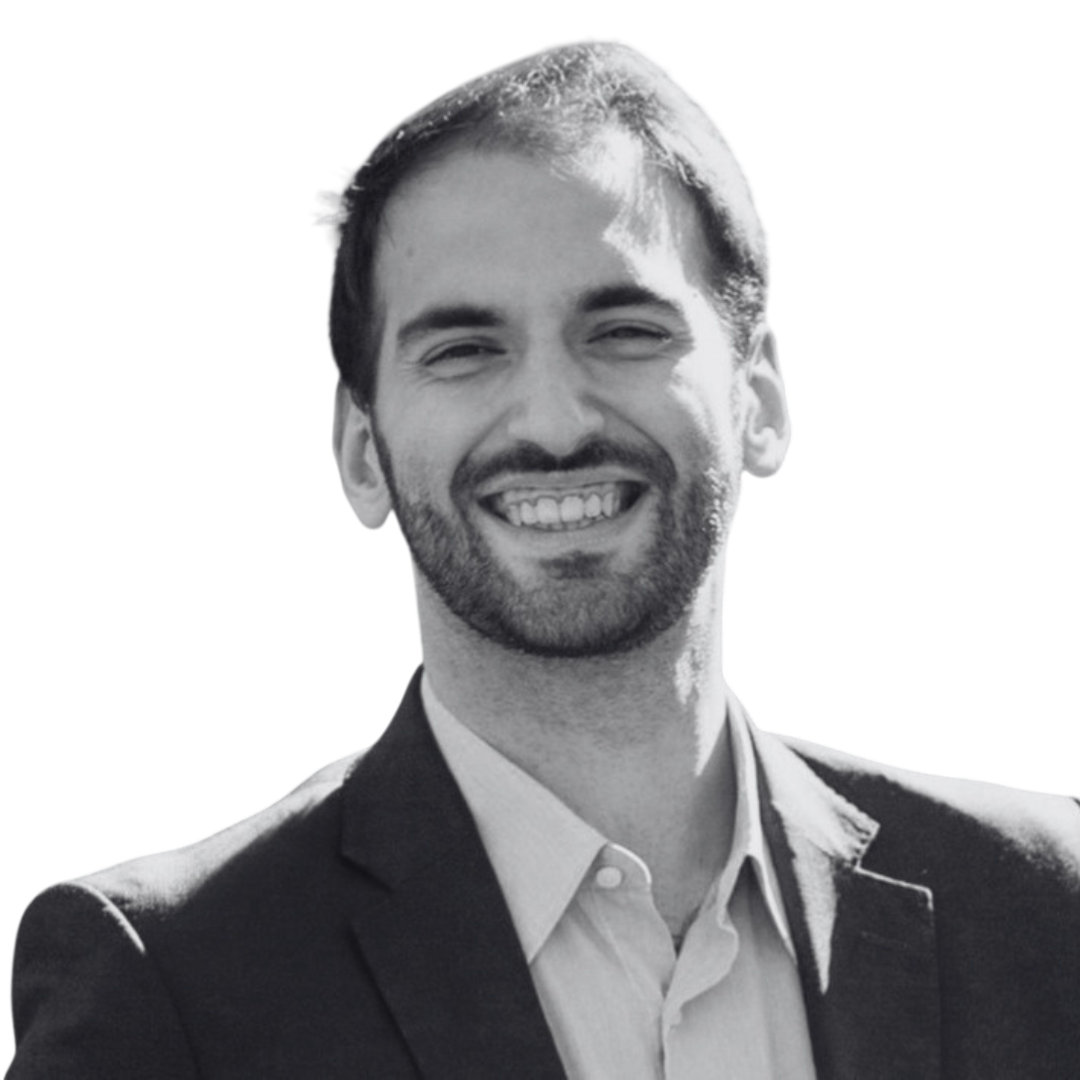
Rafael Pires Miranda
Professor at Instituto Superior Técnico, University of Lisbon
Rafael Pires Miranda is an assistant professor in the field of Decision Sciences in the Department of Engineering and Management at the Instituto Superior Técnico (IST) of the University of Lisbon, and an integrated member of the Center for Management Studies of Instituto Superior Técnico (CEGIST). He is the scientific coordinator of “Mais Dados, Melhor Saúde”, an academic initiative aiming to contribute to the development of a national model for secondary access to health data in Portugal. His research interests encompass decision analysis under uncertainty and risk, value-based BI, and group work facilitation, with applications to health policymaking and health technology assessment. He is a PhD in Engineering and Management and holds an MSc degree in Biomedical Engineering, both from IST. Rafael also gained professional experience as a Business Intelligence (BI) Developer at CUF Hospital Group (2018-2020) and at the Enterprise Services department of Siemens Healthineers Portugal (2021-2025). He won the ULisboa – redeSAÚDE 2024 Prize for Best Doctoral Work in the field of Health Systems / Entrepreneurship / Digital Transition.
Sessions in which participates
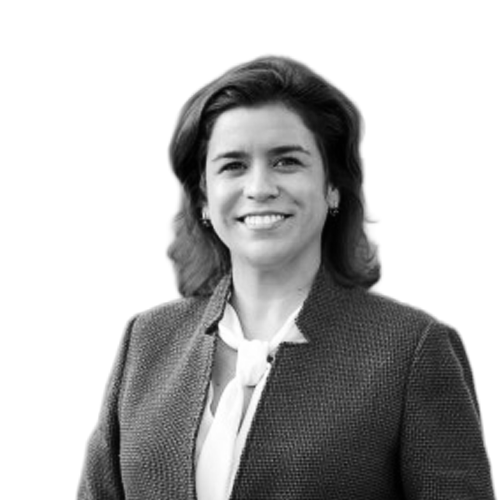
Sara Cerdas
Head of Public Affairs of Novartis
She was a Member of the European Parliament.
In the private sector, she leads the public affairs area, focusing on the creation of strategic partnerships and the promotion of health policies based on scientific evidence.
As an elected representative in the European Parliament during the ninth legislature, she was a full member of the Committee on the Environment, Public Health and Food Safety and served as Vice-Chair of the Special Committee on Beating Cancer.
She also served as co-chair of the Health Working Group, negotiator for the Group of the Progressive Alliance of Socialists and Democrats for the EU4Health Programme, co-rapporteur for the regulation on serious cross-border threats to health, and substitute member of the Committee on Transport and Tourism.
Her academic and medical background includes an Integrated Master’s Degree in Medicine from the Faculty of Medicine of the University of Lisbon, a Master’s Degree in Public Health from Umeå University in Sweden, and a postgraduate degree in Travel Medicine from NOVA University Lisbon, as well as attendance and research within the PhD programme in Public Health Sciences.
At institutional level, she is an invited external member of the School Council of the Faculty of Medicine of the University of Lisbon.
For her legislative impact in the areas of health and the environment, she was recognised as a Rising MEP by the prestigious The Parliament Magazine.
Sessions in which participates
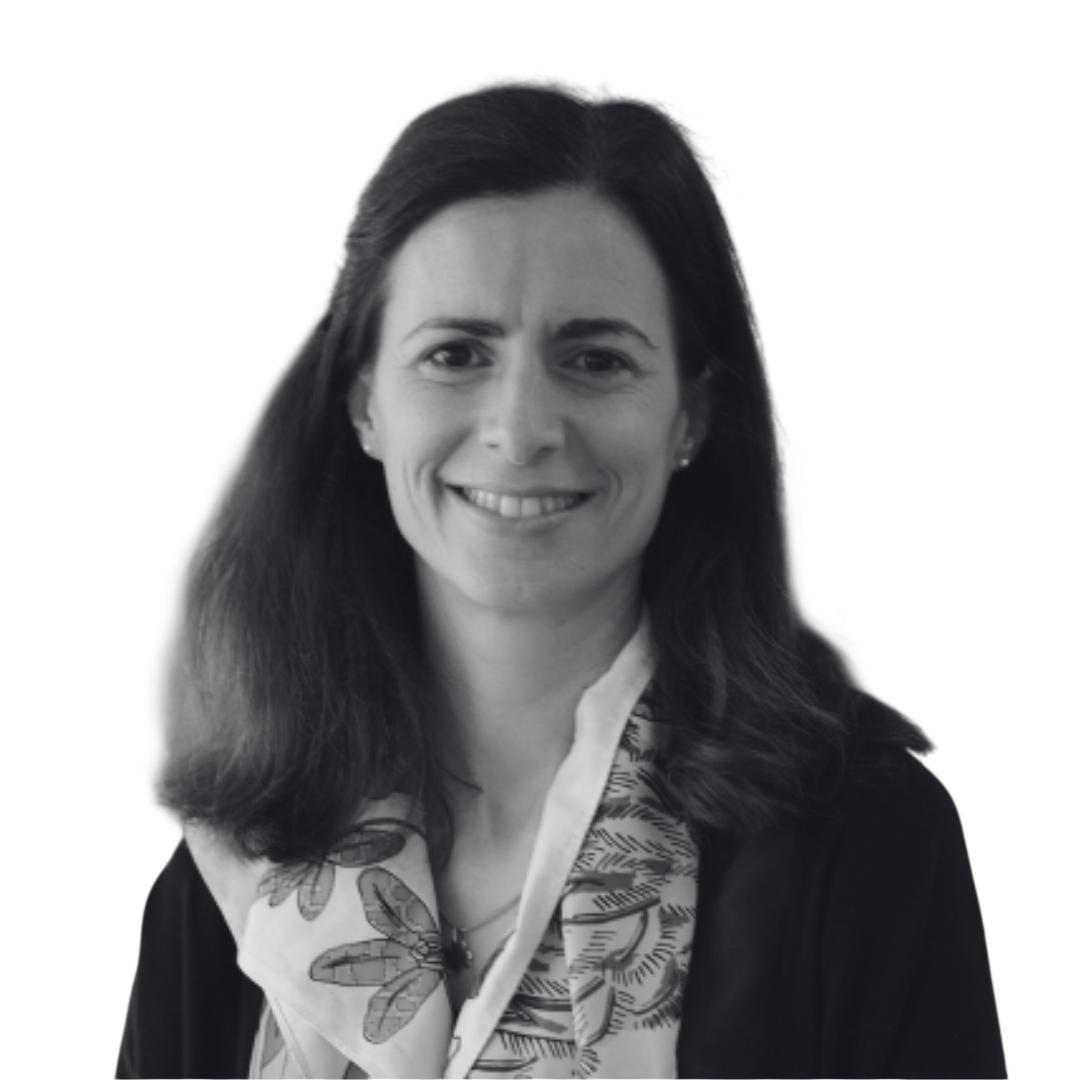
Bárbara Aranda da Silva
External Affairs & Market Access Director at AbbVie Portugal
Integrated Master’s degree in Pharmaceutical Sciences from the Faculty of Pharmacy at the University of Lisbon, with a postgraduate degree in Pharmacotherapy from the Graduate School of Health and Management and a postgraduate degree in Economic Evaluation of Medicines from the Higher Institute of Economics and Management.
She is currently E External Affairs & Market Access DirectorE at AbbVie Portugal (since 2025). Previous experience as New Products & Real-World Evidence Manager (2023–2025); Head of Access, Policy & Healthcare System (2021–2023); Oncology Market Access Manager (2017–2021); and Oncology Disease Area Lead (2019) at Novartis Portugal. Market Access & Public Affairs Manager (2013–2017) and Scientific Advisor (2011–2013) at Bayer Portugal. She served as a hospital pharmacist in the Pharmaceutical Services department at HPP Hospital de Cascais and was a member of that institution’s Ethics Committee (2010–2011).
Invited to teach in various undergraduate and graduate health programs at the Portuguese Catholic University, the Faculty of Pharmacy at the University of Lisbon, and the Faculty of Pharmacy at the University of Coimbra.
Expert for the National Health Council (since 2023). Member of the Portuguese Pharmaceutical Society’s Interest Group on Health Technology Assessment and Market Access (since 2024). Member of the Executive Board of the Southern Regional and Autonomous Regions Section of the Portuguese Pharmaceutical Society (2016–2022). Founding Member and Board Member of the Portuguese Society of Clinical Pharmacy and Pharmacotherapy (2011–2016).
Sessions in which participates
The data race: What Europe needs to compete with the United States in scientific innovation
Parallel Session 8
Biomedical innovation in the 21st century is no longer decided solely in laboratories – it is decided by who can transform health data into knowledge, more quickly and on a larger scale. The European Health Data Space (EEDS) emerges as Europe’s regulatory response to this challenge, creating the legal framework for the secondary sharing of health data between Member States. However, the right regulation is not enough without the technical infrastructure and incentives to make it operational. This roundtable discusses whether Europe actually has what it takes to compete on a global scale, and what role the pharmaceutical industry, healthcare systems and technology partners should play in building this new economy of health research and innovation.
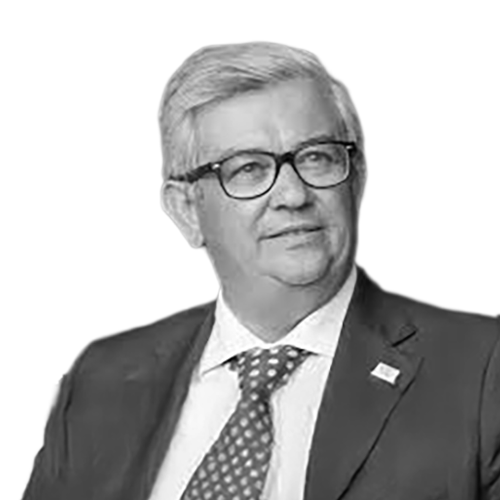
Armindo Jacinto
Chairman of NATURTEJO.EIM
Armindo Moreira Palma Jacinto, from Idanha-a-Nova, has been Mayor of Idanha-a-Nova since June 2013. Married and residing in Penha Garcia, he has a long career in public service, civic associations and management.
Throughout his career, he has held several prominent positions in institutions related to regional development, tourism, civil protection and higher education. These include Treasurer of the Amato Lusitano Association, Chairman of the Board of Directors of Naturtejo, President of the Humanitarian Association of the Volunteer Firefighters of Idanha-a-Nova, Treasurer of the Historical Villages Association, member of the General Council of the Polytechnic Institute of Castelo Branco, and Vice-President of the Portuguese Federation of Rural Tourism. All these positions were held on an unpaid basis.
He began his professional career at Caixa Geral de Depósitos in 1987, where he performed administrative, client management and deputy management duties in several branches across the region, including the opening and management of the Boa-Esperança branch in Castelo Branco.
In local government, he served as Councillor and Vice-Mayor of Idanha-a-Nova between 2002 and 2013, having previously been a member of the Municipal Assembly of Castelo Branco from 1997 to 2001.
At the same time, he developed activity in the areas of media, culture and sociocultural animation. He was director and programming manager of Rádio Amizade de Penha Garcia, produced radio programmes for several regional stations, and collaborated as a journalist and columnist with local and regional publications.
He interviewed several prominent figures in Portuguese political, cultural and social life, including Mário Soares and Aníbal Cavaco Silva. He also took part in the organisation of art exhibitions, craft fairs, tourism promotion initiatives and youth animation projects, in collaboration with local authorities and public bodies.
He was President of the Students’ Association of the Castelo Branco School of Agriculture and served on the governing bodies of several cultural, sports, environmental and civic associations in the region.
His career reflects a strong commitment to local development, civic engagement and the promotion of heritage, tourism and the identity of Beira Baixa.
Sessions in which participates
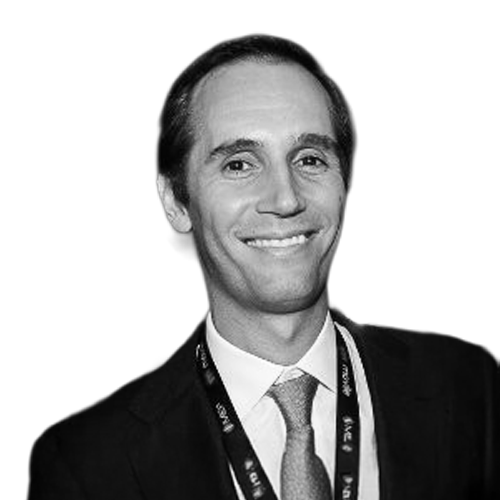
Filipe Rosa
European Longevity Hub
He leads a European initiative dedicated to innovation, health and development within the longevity ecosystem.
In this role, he leads projects focused on advancing technologies for healthy ageing.
His professional career stands out for the development of strategic partnerships and entrepreneurship. He represents the partners of the global acceleration network Startupbootcamp, promoting innovation and social impact events.
Sessions in which participates

Rute Castro
Pharmacist, Naturopath and Herbal Medicine Practitioner
Naturopath and herbalist (professional licenses issued by ACSS), pharmacist (pharmacotherapy specialist, professional license issued by OF), and doula (member no. ADP 000001 of the Portuguese Association of Doulas)
Hypnobirthing instructor for “Parto sem medos”
Perinatal Educator using the Gentlebirth method
Menstrual Educator (HerSelf Training—Menstrual Educators Around the World)
Trainer and Speaker for various courses, training programs, and graduate programs, as well as at congresses and conferences in the fields of natural medicine, herbal medicine, homeopathy, mycotherapy, pregnancy, and childbirth.
Master’s degree in Pharmaceutical Sciences from IUCS.
Master’s Degree in Orthomolecular Medicine from SENMO.
Postgraduate Certificate in Natural and Complementary Therapies from ESVA.
Postgraduate Certificate in Integrative Pediatrics from the Regenera Faculty of Integrative Medicine and Western Europe University
Postgraduate Certificate in Advanced Gene- and Cell-Based Therapies – FMUP
Postgraduate Program in Homeopathic Medicines from the UL School of Pharmacy.
Postgraduate Program in Advances in Nutraceuticals: Clinical Application and Current Practices – FMUP
Postgraduate Program in Pharmaceutical Indications for the Skin from the PharmCare Institute.
Sessions in which participates
Paulo Carvalho
Founder and CEO of Vivid Foods and Vivid Farms
He is the founder and CEO of Vivid Foods and Vivid Farms, one of the most award-winning and dynamic regenerative agriculture projects in Portugal. After establishing himself in the conventional agri-food sector, the entrepreneur redirected his career toward ecological sustainability after questioning the environmental and social impact of traditional production models.
Together with co-founder Ana Carvalho, he established Vivid Farms in the Santarém region. The project began with the rehabilitation of 20 hectares of severely degraded clay soils. Through rigorous soil conservation practices and the promotion of biodiversity, the property recently expanded by an additional 100 hectares and currently cultivates more than 70 species of vegetables and 23 varieties of fruit trees.
Under his leadership, Vivid Farms has gained significant national and international recognition:
Producer of the Year 2025: An award presented at the prestigious Mesa Marcada Awards.
Top 50 Farmers: International recognition from the European agricultural sustainability platform.
Educational Initiative: Creation of a technical training center on the farm, promoting workshops and partnerships with institutions such as the Santarém School of Agriculture to bring chefs, students, and farmers closer together.
Paulo Carvalho stands out today as an active voice in the global ecological transition, demonstrating that regenerative agriculture is a viable, productive, and essential model for the future of the food system.
Sessions in which participates
Gonçalo Agra Amorim
President of Colab food4sustainability
Sessions in which participates
One Health, One Planet: Living Foods, Health for Life
Parallel Session 9
What if the secret to living longer and better lay in the way we treat the earth?
An essential conversation about the power of organic farming—which regenerates soils, water, the landscape, and biodiversity—and how healthy eating can heal our bodies and regenerate the planet. From the soil to the plate, health is one and the same.
We want to talk about:
- The Root of It All: How organic farming heals the soil and combats climate change.
- The Real Superfoods: The essential foods the human body needs to prevent disease and live longer.
- Activism on a Plate: The daily impact of living foods on human longevity and global sustainability.”
Raul Azevedo
Chief Operating Officer (COO) of the European Longevity Hub (ELH)
He holds a degree in Engineering from the Faculty of Engineering of the University of Porto (FEUP) and has a Master of Business Administration (MBA), combining a solid technical background with advanced skills in management, innovation, and business strategy. He leads operational execution, the implementation of the growth strategy, and the development of programs dedicated to preventive health, longevity, and healthcare innovation. In this role, he promotes collaboration between the European innovation ecosystem, research institutions, technology companies, investors, and healthcare-sector organizations, driving strategic partnerships and the internationalization of initiatives in the field of longevity.
With a well-established career in international management and strategy, he has accumulated more than three decades of professional experience across various markets on five continents. Throughout his career, he has held strategic consulting roles, advising governments, large companies, small and medium-sized enterprises, and investment funds on international expansion projects, organizational transformation, business development, and strategic assessment. Recognized as one of the driving forces behind the European longevity ecosystem, he regularly participates as a speaker and moderator at international conferences dedicated to healthcare innovation, preventive medicine, digital transformation, and the longevity economy. His work has helped bring together science, technology, entrepreneurship, and public policy, promoting innovative models that address the challenges of population aging and the creation of healthier, more sustainable societies that are better prepared for increased longevity.
Sessions in which participates
Bruno Pina
CEO of European Longevity Hub
Bruno Pina is CEO of Synapse, an international consulting company specialising in innovation and strategy in the healthcare sector.
He is also co-founder and Global Executive Director of the European Longevity Hub, an initiative based in Portugal that brings together researchers, entrepreneurs and investors with a common goal: to make well-being and longevity accessible to everyone, anywhere in the world.
With more than 20 years of experience in transformation, technology and innovation projects on a global scale, Bruno Pina has held executive roles in companies such as AstraZeneca, McKinsey & Company and IBM, leading transformation projects across several regions, including Latin America, North America, Europe and Asia.
In parallel, he works as an angel investor, mentor and strategic advisor, supporting healthcare companies and startups in their sustainable growth. He is also a guest lecturer in master’s programmes and has been a speaker for more than a decade, regularly taking part in international conferences and events.
Sessions in which participates

Ana Sepúlveda
Co-founder of Pedrabase Longevidade
Ana João Sepúlveda, a sociologist by training, has devoted the past 20 years to studying the relationship between longevity and economic development. An entrepreneur and current co-founder of Pedrabase Longevidade and Global Wellness Portugal, she develops projects at the intersection of longevity, economic development, sustainability, and organizational strategy, working with companies, municipalities, universities, and other organizations to build solutions for a society in which people are living increasingly longer lives.
She is the author of the concepts “Longevity Driven Economy” and “Longevity Social Governance” (LSG), arguing that longevity should be understood not merely as a demographic or aging issue, but as a structural force for economic and social transformation, with implications for work, markets, regions, health, well-being, and sustainability.
Throughout her career, she has conducted applied research, led consulting projects, provided training, and spearheaded awareness-raising initiatives on longevity and the economy, age-friendly organizations, and longevity ecosystems. She is the author and co-author of books and articles and regularly participates as a speaker and moderator at national and international conferences.
Sessions in which participates
Inês Sequeira
Inês Sequeira is a driving force in Portugal’s impact and social innovation movement. With a career that bridges law, public policy, entrepreneurship, and systemic change, she has consistently worked at the intersection of vision and execution to reshape how innovation serves society.
After beginning her professional journey as a lawyer, Inês moved into public service at the Lisbon City Council, where she played a pivotal role in building the city’s innovation ecosystem. During this period, she contributed to positioning Lisbon as a global tech and entrepreneurial hub — including the strategic efforts that helped bring Web Summit to Lisbon, a landmark achievement that transformed the city’s international visibility and investment landscape.
She later joined the Portuguese Government at the Ministry of Economy, where she supported the development of national entrepreneurship initiatives at Turismo de Portugal and co-founded NEST – the Innovation Center for Tourism — accelerating innovation in one of the country’s most strategic sectors.
As the Founder and former Executive Director of Casa do Impacto, Portugal’s largest impact entrepreneurship hub, Inês helped place the country firmly on the global impact map. Under her leadership, Casa do Impacto supported more than 470 startups addressing critical social and environmental challenges and was recognized by the Financial Times as one of Europe’s Leading Startup Hubs — the only one exclusively dedicated to impact.
A respected thought leader, Inês regularly writes opinion columns for several national newspapers, contributing to the public debate on social innovation, entrepreneurship, and the future of capital. She also serves on multiple boards, including that of Portugal’s only women-led impact investment fund, reinforcing her commitment to advancing inclusive and gender-conscious capital.
Inês is also an entrepreneurship and innovation consultant at the London School of Economics and was part of the team that founded the Long Life Venture Builder.
Driven by the belief that capital must be intentional to create lasting change, Inês founded and now leads Rede Capital Social. Through this pioneering initiative, she is mobilizing companies and High Net Worth Individuals to rethink philanthropy — shifting from traditional giving to strategic investment in systemic solutions. Rede Capital Social is building Portugal’s first coordinated network of impact-driven capital, with the ambition of transforming the country’s social investment ecosystem and accelerating meaningful, measurable change.
Sessions in which participates

Joana Costa
President of the Portuguese Society of Longevity Medicine and Science.
Co-founder, Clinical Director, and Head of Longevity Medicine at B-Life Clinic in Cascais, where she leads an integrated, evidence-based approach to longevity medicine, prevention, and lifelong health optimization.
A physician specializing in General and Family Medicine, she holds degrees in Biomedical Sciences from the State University of New York at Stony Brook in the United States and from Kingston University in the United Kingdom, as well as a medical degree from Charles University in Prague. She supplemented her training with certification in Lifestyle Medicine from Harvard Medical School.
She is President of the Portuguese Society of Longevity Medicine and Science, a scientific society she helped found alongside physicians and researchers affiliated with international institutions, and she also serves on the Advisory Board of the European Longevity Hub. His work lies at the intersection of General and Family Medicine, Longevity Medicine, advanced diagnostics, and behavioral change, with a particular focus on early risk identification and the extension of healthspan.
Sessions in which participates
Miguel Caeiro
CEO The Longevity Academy.
Miguel Caeiro spent a decade in Unilever’s Marketing Division; he served as CEO of Grupo Abril in Portugal, VP of Internet Marketing at Portugal Telecom, Country Manager at CESCE (the Spanish government’s credit risk agency), and Head of Latin America at Lookout (mobile cybersecurity); and most recently, he served as Head of Latin America at Vidmob, a creative intelligence company, for five years.
He serves on several advisory boards, is an investor in startups, and is a volunteer Vice President at the NGO Instituto Heleninha (an organization with over 20 years of experience supporting underprivileged children in their fight against cancer in São Paulo), among other roles.
He holds a degree in Business Administration from the Portuguese Catholic University, an MBA from Four Acres (Unilever/UK), and a post-MBA degree from Inova Business School. He teaches Digital Marketing in post-MBA and MBA programs in São Paulo, Campinas, and Curitiba at Inova Business School.
Miguel Caeiro has been a member of the Portuguese Diaspora Council since December 2023.
Sessions in which participates
Longevity: The Future Starts Now and It Is Global
Parallel Session 10
Longevity is one of humanity’s greatest achievements and, at the same time, one of the greatest challenges and opportunities of the 21st century. We have never lived this long, but the real question is no longer just how many years we will live, but how we want to live those years and how societies should prepare for this new reality.
Addressing this challenge requires rethinking how we organize healthcare systems, promote prevention, encourage innovation, value talent throughout all stages of life, and develop public policies capable of keeping pace with profound demographic shifts. More than a sector-specific response, longevity demands an integrated vision, grounded in collaboration among governments, businesses, academia, professionals, and civil society.
Because the future of longevity is no longer a distant scenario—it is a reality that is transforming the present. Preparing for it requires vision, collaboration, and action. After all, the future begins now.
Adelaide Belo
Medical Doctor and Chair of the Board of the Portuguese Association for Integrated Care – PAFIC
Senior Graduate Consultant in Internal Medicine and one of Portugal’s leading figures in the integration of healthcare and innovation in hospital management. She graduated in Medicine from the Faculty of Medicine of Lisbon, completed her specialty in Internal Medicine with distinction from the Portuguese Medical Association, and later completed the Advanced Management Programme for Healthcare Institutions (PADIS) at AESE Business School.
Over more than three decades of activity, she has held clinical and administrative leadership roles, notably as Chair of the Board of Directors and Clinical Director of the Local Health Unit of the Alentejo Coast, as well as Director of the Internal Medicine Department, Director of the Emergency Department and Clinical Director in Baixo Alentejo.
She has coordinated innovative programmes in integrated care and case management, participated in European projects such as JADECARE, chaired the Portuguese Association for Integrated Care (PAFIC), and collaborated as a lecturer at the National School of Public Health.
Her career has been widely recognised by organisations in the sector, having received the PAFIC Career Award for her contribution to the National Health Service.
Sessions in which participates
To confirm
Mário Pinto
Former Health Advisor to the President of the Republic
Sessions in which participates

Belmiro Rocha
Chief Nursing Officer and Executive Board Member of ULS Gaia and Espinho
Chief Nursing Officer at ULS Gaia Espinho, EPE. Higher Nursing Course, ESEDAG (1988). Degree in Rehabilitation Nursing (Specialty Course), ESECP (1995). Holds the title of Specialist Nurse in Rehabilitation Nursing awarded by the Portuguese Nurses Association. Advanced Added Competence in Management awarded by the Portuguese Nurses Association. Postgraduate qualification in Health Management and Economics from FEUC. Advanced Management Programme for Healthcare Institutions (PADIS) from AESE. Academic Specialist title awarded by UFP. President of the Portuguese Association of Rehabilitation Nurses (APER), elected on 25 February 2023 for his fourth term as President of the Board (terms: 2008–2010, 2011–2013, 2020 2022 and 2023–2025).President of the Board of the Specialty College of Rehabilitation Nursing of the Portuguese Nurses Association during the 2012–2015 and 2016–2019 terms. Member of the Rehabilitation Nursing Specialty Committee of the Portuguese Nurses Association during the 1999–2003 and 2004–2008 terms.
Sessions in which participates
Maria Amélia Ferreira
University professor and physician
Sessions in which participates
Mário Rui André
Director of the Santa Casa Mission Unit for the “Lisboa, Cidade de Todas as Idades” Programme
Mário Rui André holds a postdoctoral degree in Sociology and a master’s degree in Health Education. He has served as
coordinator of various projects and programs in the social and health sectors. Between 2012 and 2016
he served as Director of Development and Community-Based Intervention at SCML. Between 2016 and
2019, he served as Santa Casa’s representative on the Refugee Support Platform. Since
2013, he has coordinated the Working Group on Longevity and Aging of the Forum for
Integrated Governance. He is currently the director of the Santa Casa Mission Unit for the
“Lisbon, City for All Ages” program.
Sessions in which participates
Integrated Care Models for Ageing Populations
Parallel Session 11
An aging population calls for more integrated, continuous, and person-centered models of care. This session explores approaches that integrate health care, social support, and community services, promoting better coordination, greater efficiency, and improved health outcomes. The focus will be on solutions that address the complex needs of aging populations.
Cintia Mano
Chief Investment Officer of European Longevity Hub
Cintia Mano is the Chief Investment Officer of the European Longevity Hub (ELH), an angel investor, and the author of Angel Investing Explained. With more than 25 years of experience in management, performance, and consulting, she has built a career that evolved into entrepreneurship and startup investment, focusing on ecosystem development and supporting entrepreneurs.
Sessions in which participates
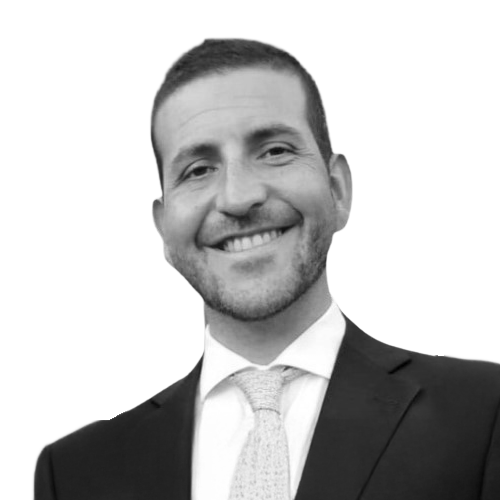
Manuel Nina
President of EMER 2030
President of EMER 2030 — the Mission Structure for the Licensing of Renewable Energy Projects 2030.
He holds an Integrated Master’s Degree in Mechanical Engineering from Instituto Superior Técnico (IST), with specialisation and skills in negotiation.
As President of EMER 2030, he is responsible for leading the structure aimed at accelerating the licensing of clean energy projects in Portugal.
He previously served as a technical specialist in the Office of the Assistant Secretary of State for Energy. He has also held leadership, coordination and project management roles focused on innovation, sustainability and sustainable finance.
In the field of entrepreneurship, he is co-founder of GoParity, a crowdlending platform dedicated to investment in sustainable and renewable energy projects.
Sessions in which participates
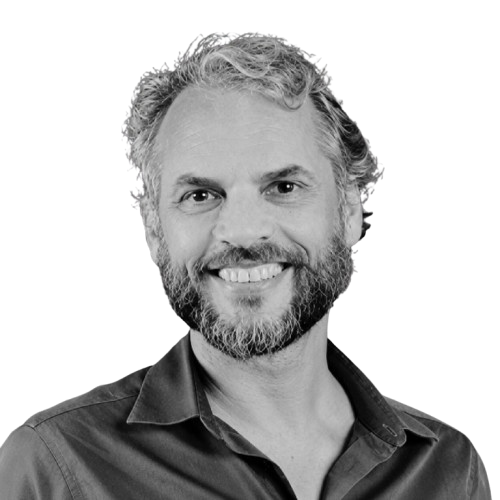
Fernando Bozza
Researcher and University Professor
Fernando Bozza, MD, PhD, is a physician, researcher, and professor at the Oswaldo Cruz Foundation (Fiocruz), Brazil, and NOVA Medical School, Lisbon. He is Co-Chair of the UNESCO Chair on Futures of Education for Health and Living Well, where he works on anticipatory governance, futures literacy, and innovation in health and well-being.
His research spans epidemic and health emergency preparedness, digital health, implementation science, and community-based interventions. He leads interdisciplinary initiatives that combine clinical research, data science, participatory methods, and public policy to improve health outcomes, particularly in vulnerable settings.
During the COVID-19 pandemic, his team developed large-scale community interventions in Rio de Janeiro, including the Dados do Bem digital platform and the CoLab Maré initiative, integrating digital technologies, participatory approaches, and public health practice. These experiences have shaped his current work on collective intelligence, community engagement, and anticipatory approaches to health systems and public policy.
Bozza serves as Chair of the Executive Board of the International Severe Acute Respiratory and Emerging Infection Consortium (ISARIC) and advises WHO and GLoPID-R on global health research preparedness. His research has been supported by the Wellcome Trust, the Bill & Melinda Gates Foundation, the US Centers for Disease Control and Prevention (CDC), and Fiocruz. He has authored more than 300 peer-reviewed publications.
Sessions in which participates
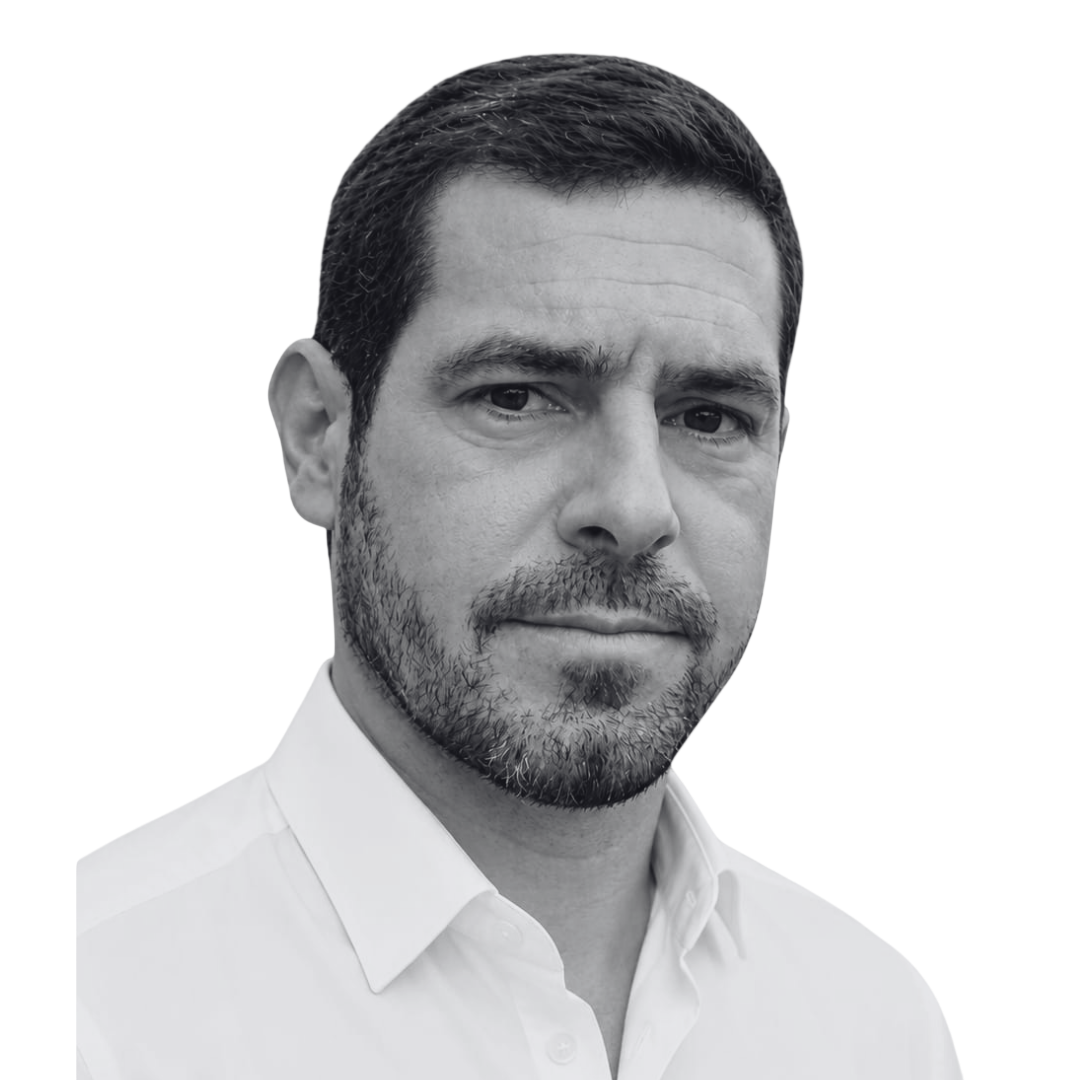
Bruno Casal
Founder and CEO da GEOWORKS
Sessions in which participates

Alexandra Domingos
Councillor at Cascais Municipal Council
Alexandra Domingos specializes in Public Management, Public Policy, and Strategic Planning, with experience in designing and implementing strategies for the transformation of public organizations and regions.
She holds a master’s degree in Economics and Public Policy and is a Ph.D. candidate in Public Policy, focusing her research on the challenges of governance, strategic planning, and the capacity of public institutions to anticipate and respond to economic, social, and demographic changes.
She is the Director of Strategy and Planning at GestPub – Public Management and Municipal Consulting and a City Councilmember for the City of Cascais. Her work has focused on building more strategic, integrated, and results-oriented public management models, with a particular emphasis on preparing regions for the challenges of longevity, innovation, and urban transformation.
Sessions in which participates
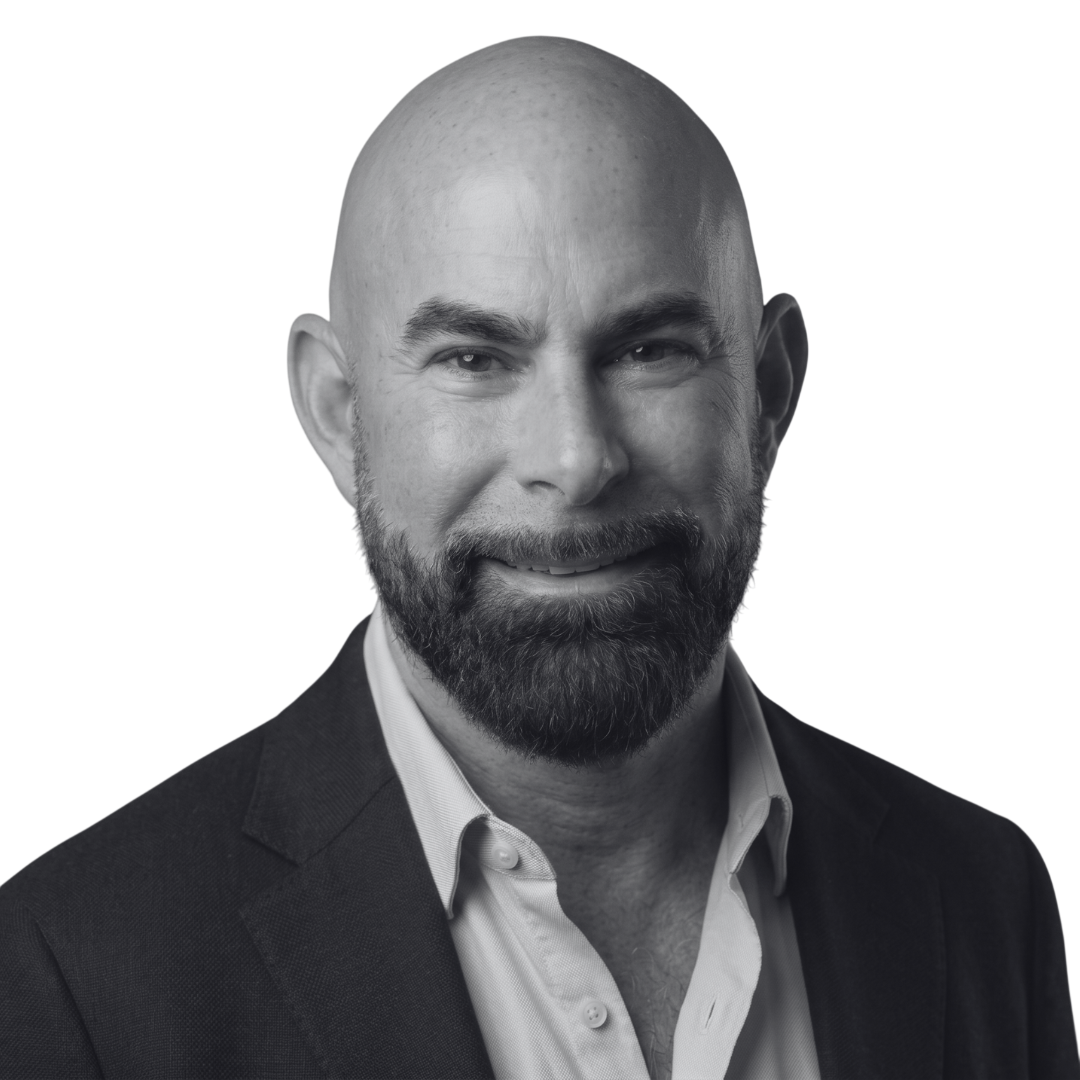
Stephen Watson
Embaixador e Presidente da Lifestyle Medicine Initiative do Global Wellness Institute
Stephen Watson builds places where longevity is designed into the building rather than added to it. He co-founded The Miami Institute at the Four Seasons Miami, and led the 220,000 sq ft Blue Zones Center at the Legacy Hotel, Miami Worldcenter, a $90MM longevity-integrated hospitality campus. Most recently Interim CEO of Founders Health in London, he is now based in Portugal developing European longevity and wellness real-estate projects, and is Ambassador and Chair of the Lifestyle Medicine Initiative at the Global Wellness Institute.
Sessions in which participates
Architecture and Housing for Long-Lived Societies
Parallel Session 12
Smart cities play a crucial role in promoting active aging by integrating technology, urban planning, and people-centered services. This session explores solutions that enhance mobility, safety, access to healthcare, and social participation, creating more inclusive, accessible, and sustainable environments for an increasingly long-lived population.
Architecture and housing also play a central role in adapting societies to greater longevity. Smart homes and living labs are transforming the way we live and age by integrating technologies that support independence, safety, and well-being. This session explores inclusive design, accessibility, and flexible living environments that promote autonomy, security, and quality of life. It will also examine innovative housing models designed to meet the evolving needs of an older and more diverse population.

Tânia Gaspar
Coordinator of the Portuguese Laboratory for Healthy Workplaces
Associate Professor with Habilitation and Director of the Centre for Psychology, Innovation and Knowledge (CPIC) at Lusófona University. She holds PhDs in Psychology and Management, a master’s degree in Public Health and a specialisation in Health Promotion and Prevention. She also works as a clinical and health psychologist at CENC and Hospital CUF Cascais.
She is President of Aventura Social and Principal Investigator in Portugal for the international Health Behaviour in School-aged Children (HBSC) study of the World Health Organization, coordinating the Mediterranean countries and serving on the international coordination committee.
She also leads the Portuguese Laboratory for Healthy Work Environments and participates in international projects developed with the WHO, the OECD and AICIB in the areas of mental health, health promotion, quality of life and patient experience assessment.
She is a member of several national research centres, coordinates studies funded by the European Commission and is the author of numerous international scientific publications, with an h-index of 24 in Scopus.
A specialist in Clinical and Health Psychology certified by the Portuguese Psychologists Association, she is a member of the Advisory Board of the Southern Regional Delegation of the Association, Vice-President of the Portuguese Association of Psychogerontology and a board member of the Portuguese Association of Health and Behavioural Sciences. She is also a member of the International Society of Behavioral Medicine.
Sessions in which participates
Margarida Gaspar de Matos
Clinical and Health Psychologist
Clinical and Health Psychologist. Full Professor at the University of Lisbon (UL) with Aggregation in International Health. Guest Professor at the Catholic University. Coordinator of several national and international projects within the scope of promoting children’s and young people’s health. Member of the coordination team of the international network of the Health Behavior in School-Aged Children / World Health Organization Study (HBSC / WHO), and coordinator of the Planetary Health Group. member of the Observatory on Sleep Across Lifespan.
Sessions in which participates

Mariana Malta Cruz
Researcher on the European Engaged Youth/ASA project
Researcher on the European Engaged Youth/ASA project, Consultant at Deloitte Portugal and PhD student at the Portuguese Catholic University
Sessions in which participates
Ana Rita Santos
President of the All Aboard Association
Co-Founder and President of the All aBoard Association
Postgraduate Diploma in Adapted Sport
Master’s Degree in Physical Activity for People with Disabilities (currently pursuing)
Level I Football and Futsal Coach
Sessions in which participates
Zélia Torres
Researcher at Lusófona University
Postdoctoral Researcher in Communication Sciences at Lusófona University
PhD in Educational Sciences from the University of Málaga, recognized by NOVA University Lisbon
Special Education Teacher in Primary and Secondary Education
Guest Lecturer at the Faculty of Human Kinetics, teaching on the Postgraduate Programmes in Special Education
Member and Secretary of the Board of the General Assembly of the Association “O Companheiro”, a Private Institution of Social Solidarity (IPSS)
Member of the General Assembly of the Portuguese Centre for Typhlology Association – CPTEI
Member and President of the General Assembly of “Coração em Malaca,” a Non-Governmental Development Organization (NGDO)
Sessions in which participates
Intergenerational Communities
Parallel Session 13
Intergenerational communities promote coexistence and collaboration among people of different ages, strengthening social bonds and combating isolation. This session explores models that encourage the sharing of experiences, knowledge, and mutual support, contributing to greater social cohesion, inclusion, and well-being in an increasingly aging society.

Tiago Barrocas
Public Affairs | MIHMEP 26 candidate: Master of International Healthcare Management, Economics and Policy
Tiago holds a degree in Life Sciences and Public Health from Maastricht University, where he gained a strong scientific foundation in microbiology, biomedical research and population health. His exposure to research in these areas sparked a deep interest in the economic and policy dimensions of healthcare, particularly in how innovation translates into outcomes for patients.
Driven by this interest, Tiago pursued a master’s degree in International Healthcare Management, Economics and Policy at SDA Bocconi, specialising in the Pharmaceutical and Medical Technology sectors. During this period, he conducted research in Health Economics and developed a solid understanding of Health Economics, Modelling, HEOR, Market Access Strategies, Digital Health and Big Data, as well as the policy and regulatory frameworks of the Pharmaceutical Industry in the European Union, working directly with industry experts and regulatory bodies across Europe.
He later joined AbbVie Portugal, where he contributed to Market Access and Government Affairs initiatives, supporting the development of HTA dossiers, pricing and reimbursement strategies, and stakeholder engagement plans. This experience enabled him to deepen his practical expertise in Health Economics and Market Access, while exploring the impact of European and national pharmaceutical legislation on access environments.
Tiago is currently part of the Acumen Public Affairs team in Brussels, where he supports the Health Team in delivering strategic and evidence-based solutions to clients in the Life Sciences sector. His work focuses on EU health policy, HTA implementation and legislative analysis, combining his scientific background with a growing specialisation in Health Economics and Public Affairs.
Sessions in which participates
Duarte Tude Graça
President of the Youth Council of Fórum Saúde XXI
Duarte Tude Graça is an Assistant Lecturer and Consultant at the Faculty of Medicine of the University of Lisbon. He currently collaborates with the Ministry of Health, after having interned with the first team of the Executive Board of the Portuguese National Health Service.
He has a strong background in student and community engagement, having held leadership roles as President of the Students’ Association of the Faculty of Medicine of the University of Lisbon (AEFML). He was also a member of the Senate of the University of Lisbon, Local Representative, Senator and President of the General Assembly Board of the National Association of Medical Students (ANEM).
Currently a resident in training at ULS Santa Maria, he is also completing a study programme in Management at ISCTE Executive Education and leads several initiatives. These include being responsible for the Health portfolio in the Jovens por Lisboa initiative, founding the Gala Solidária social project at the Faculty of Medicine of Lisbon, founding the Futuro da Saúde Platform, and being a founding member of the Youth Council of Fórum Saúde XXI.
Motivated by the desire to make a positive impact on the community, he was also internationally nominated as a Next Generation Bold Leader.
Sessions in which participates

João Diogo
President of the Portuguese Association of Young Pharmacists
Pharmacist with a postgraduate degree in Economic Evaluation of Health Technologies and Interventions from ISEG and in Health Services Management from INDEG-ISCTE.
Professional experience in the areas of health policy, management, public affairs, and market access, having held positions in the consulting sector, the pharmaceutical industry, and academia.
He currently serves as Communications & Government Affairs Manager at GSKPortugal.
President of the Portuguese Association of Young Pharmacists and member of the Platform for Young Health Professionals.
Sessions in which participates
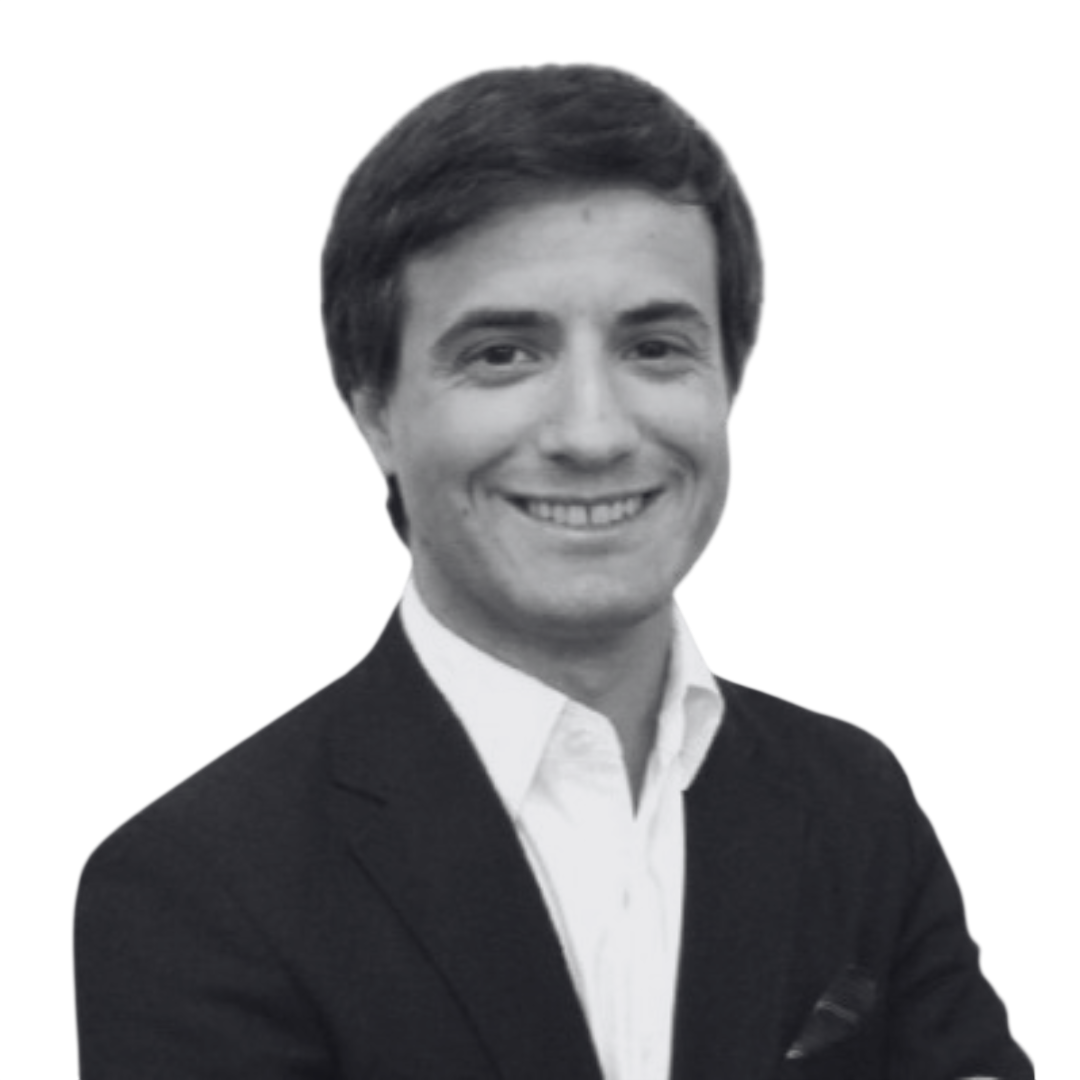
Artur Miler
Dentist and Lecturer at Fernando Pessoa University
Degree in Dental Medicine from the Faculty of Health Sciences at Fernando Pessoa University. Specialisation in Oral Rehabilitation from the Faculty of Dental Medicine at the University of Porto – 1st edition of the programme. Postgraduate qualification in Geriatrics from the Faculty of Medicine at the University of Coimbra. Master’s student in Geriatrics at the Faculty of Medicine, University of Coimbra. Advanced Training in Management of Small Healthcare Units from Universidade Católica Portuguesa – Beiras Regional Centre. Member of GERMI (Geriatrics Study Group of the Portuguese Society of Internal Medicine). Postgraduate Course in Bioethics from the Faculty of Law at the University of Lisbon. Holder of a Pedagogical Competence Certificate (CCP).
Sessions in which participates
The Future Through the Eyes of the Future
Parallel Session 14
Longevity is not just a challenge for those aging today; above all, it is the ambition for a new social commitment to health and well-being that redefines the future of the country’s younger generations. Living longer and better compels us to address structural issues regarding the future of work and health policies, as well as the financial and organizational sustainability of the healthcare system itself as we know it today, opening the door to new forms of cross-sector collaboration and new models of care, always with intergenerational solidarity at the core. This parallel session reflects on the impact and challenges of longevity from the perspective of younger generations and on the solutions they propose to mitigate them. The discussion will cover the challenges of longevity, the future of leadership and team management in healthcare, the longevity of healthcare institutions in Portugal, the role of technology as a driver of transformation, equity, and efficiency, and the need for a new multidimensional and multidisciplinary approach that integrates health, social, economic, and educational responses and policies.

Tamara Milagre
President of the EVITA Patients’ Association
Tamara Hussong Milagre is a distinguished leader in identifying, advocating for, and supporting individuals with pathogenic variants associated with a high risk of hereditary cancer, dedicated to improving the quality of life for families affected by hereditary cancer syndromes. As the founder of the “EVITA Association – Hereditary Cancer” in 2011, she was a global pioneer in efforts to support and empower individuals and families affected by any of these syndromes. She is the driving force behind the EVITA Platform, a digital platform designed to better identify and support carriers and healthcare professionals, while also encouraging active citizen participation in research. At the European level, Tamara serves as a prominent representative of the European Patient Advocate Group within the prestigious GENTURIS European Reference Network, which focuses on Genetic Tumor Risk Syndromes. Her involvement extends to critical areas such as the thematic group on “Hereditary Breast and Ovarian Cancer (HBOC)” and focus groups on “Organization of Care” and “Education, Training, and Development.” She was recently invited by IARC/WHO to join the advisory board on digital tools for tumor classification. Currently, Tamara is a co-author of several scientific articles, such as the recently published guidelines on “Counseling on Reproductive Options for GENTURIS Patients,” aimed at informing healthcare professionals and providing patients with comprehensive support. Tamara’s experience is enriched by her participation in prestigious educational programs, including the European School of Oncology (ESO) Master Class and the rigorous EUPATI course. She graduated from the EURORDIS Leadership School on Healthcare and Research in 2019, acquiring leadership skills and in-depth knowledge of the dynamics of healthcare and research. In addition to her advocacy efforts, Tamara collaborates closely with Infarmed, the Portuguese national medicines authority, and participates in forums such as the European Multi-Stakeholder Sounding Board of the EFPIA Oncology Platform and, as an invited stakeholder, in the “Prevention and Early Detection” working group at the European Cancer Organization, thereby strengthening her global influence. At the national level, Tamara has driven progress as a founding member of the Portuguese Society of Oncology’s working group on Hereditary Cancer Syndromes. She actively contributes to initiatives focused on “Prevention and Early Detection” and genomic medicine through her involvement in various organizations and initiatives, including the DGS Working Group on Hereditary Cancer, as part of the National Strategy for the Fight Against Cancer, and the PT_MedGen initiative. Tamara’s exceptional contributions to the field of hereditary cancer were officially recognized in November 2020, when she received the prestigious Medal of Scientific Merit from the Portuguese Minister of Science. Her unwavering dedication and global impact set her apart as a true influencer in the field.
Sessions in which participates
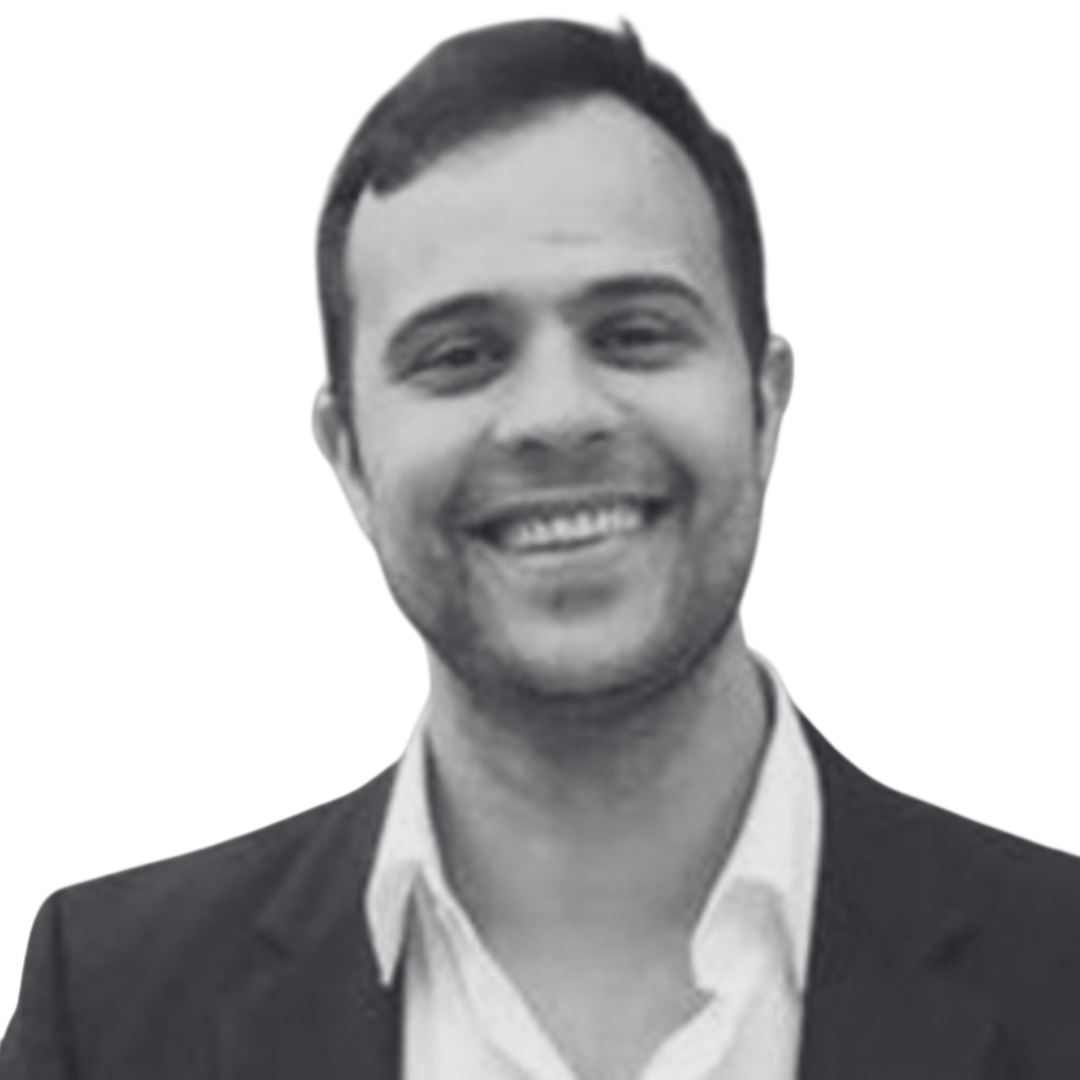
Pedro Ramos
Co-Founder & CEO, Promptly Health
Pedro Ramos is Co-founder and CEO of Promptly Health, a federated real-world evidence platform connecting +30 hospital and health system data across Europe and Brazil treating 70 million lives a year. He holds a PhD from Karolinska Institutet’s Department of Learning, Informatics, Management and Ethics, and has previous healthcare management experience at Hospital Israelita Albert Einstein and Hospital das Clínicas in Brazil. He serves as scientific coordinator fo EU IHI projects building the regulatory and IP framework for secondary use of health data under the European Health Data Space. Pedro seats at the Advisory Board of the first European Health Data Space implementation pilot and the World Health Organization European Chapter for Digital Health .
Sessions in which participates
Ricardo Mexia
Public Health Doctor and President of the Lumiar Parish Council
Graduated in Medicine in 2002 from the Faculty of Medical Sciences of NOVA University Lisbon, Ricardo Mexia completed a Master’s degree in Public Health in 2013 and is a graduate of EPIET – the European Programme for Intervention Epidemiology Training of the ECDC, completed in 2011.
He is currently part of the Department of Epidemiology at the National Institute of Health Doutor Ricardo Jorge. His work focuses mainly on communicable diseases, and he has been involved in the investigation and control of several outbreaks, including the 2016 measles outbreak and the 2017 Legionnaires’ disease outbreak at HSFX.
He has been responsible for the epidemiological surveillance of several mass gatherings, including BOOM Festival, Andanças Festival, the Centenary of the Pilgrimage to Fátima, the Eurovision Song Contest and the Torres Vedras Carnival, among others, developing a range of technological solutions for this purpose.
He is Coordinator of Gripenet, a participatory surveillance platform that contributes to the monitoring of the seasonal flu epidemic. He also collaborates in the evaluation process of the National Health Plan as part of the INSA team.
He has published and presented more than 30 papers at national and international scientific meetings in the fields of epidemiological surveillance, public health emergency and mass gatherings. He regularly appears as an interviewee on health-related topics across various media outlets, including television, radio, online media and the written press.
He has been an Invited Assistant Professor on the Integrated Master’s Degree in Medicine at the Faculty of Medicine of the University of Lisbon since 2014, and on the Integrated Master’s Degree in Medicine and the Bachelor’s Degree in Biomedical Sciences at the Department of Biomedical Sciences and Medicine of the University of Algarve since 2015.
He is a National Defence Auditor, having attended the National Defence Course in 2018/19. He is currently President of the National Association of Public Health Doctors, a position he has held since 2016, and Vice-President of the Communicable Disease Control Section of the European Public Health Association, since 2019.
Sessions in which participates
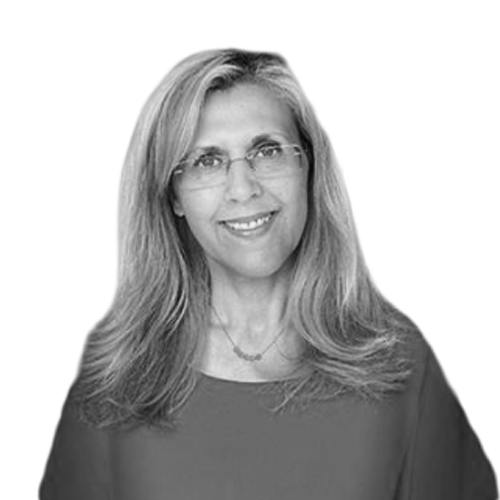
Cristina Vaz de Almeida
President of the Portuguese Society of Health Literacy (SPLS)
PhD in Communication Sciences – Health Literacy, President of the Portuguese Society for Health Literacy (SPLS), Director of the Postgraduate Programme in Health Literacy at ISPA, Chief Editor of the Journal of Medical Research (JIM), researcher at ISCSP – CAPP, BUMPER Advisory Board Member, member of NCH – National Cancer Hub Portugal, and author of numerous books, book chapters and articles in the fields of health literacy, health communication and behaviour change.
Sessions in which participates
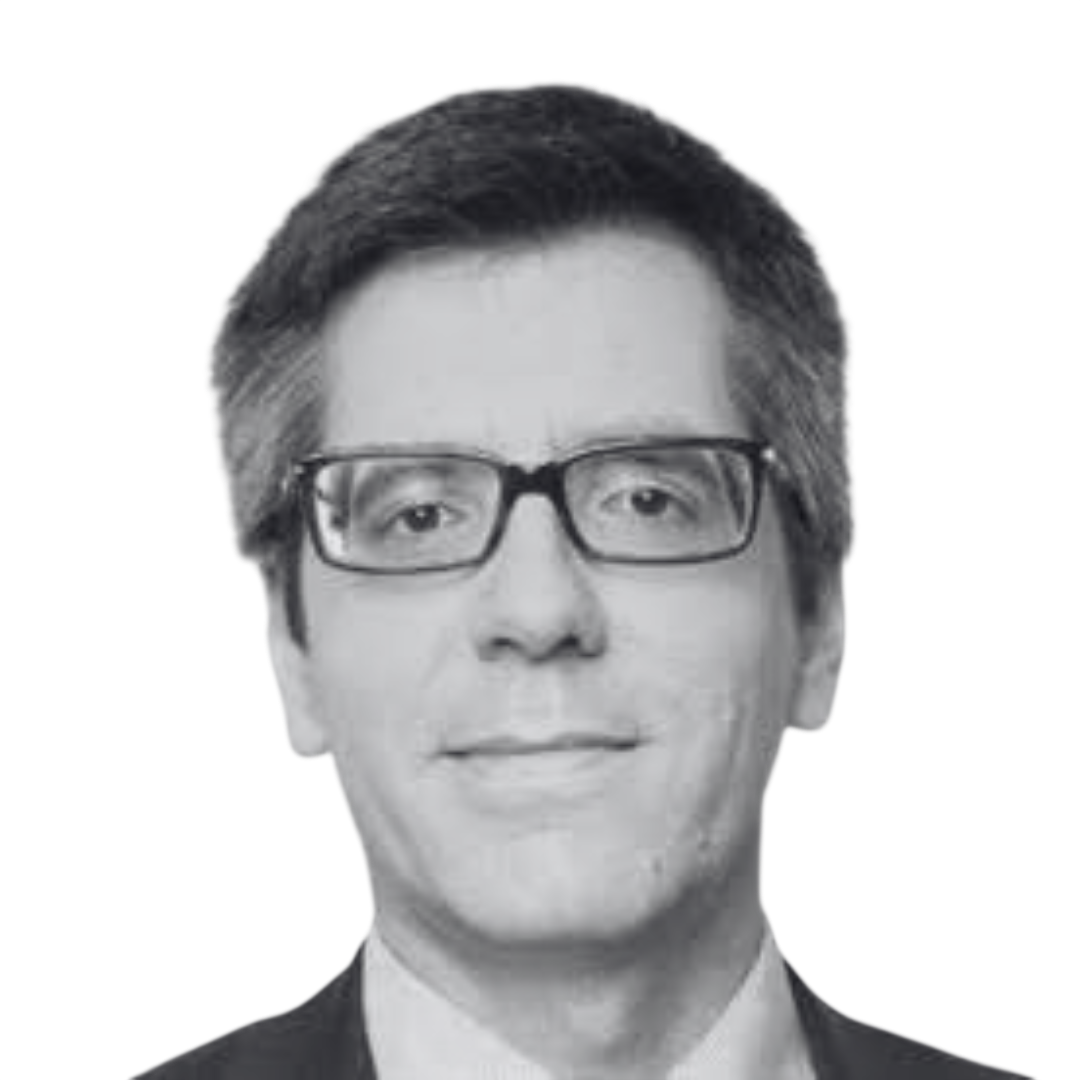
Henrique Martins
Physician specializing in Internal Medicine and Digital Health consultant for the World Health Organization
He holds a bachelor’s degree in medicine, master’s degrees in Management, HIV/AIDS, and Administrative Law, as well as a Ph.D. in Management. His dissertation in Administrative Law focused on the state’s liability regarding the use of artificial intelligence in National Health Service hospitals.
He was one of the first Chief Medical Information Officers (CMIO) in Portugal and chaired the Ministry of Health’s Shared Services (SPMS) for about seven years. He also served as co-chair of the eHealth Network, representing the Member States, the leading European body for coordinating digital health policies.
In July 2020, he was elected a member of the International Academy of Health Sciences Informatics and serves as a National Defense Auditor. Since August 2020, he has been a member of the Board of Directors of the HL7 Europe Foundation.
A physician specializing in Internal Medicine and a consultant on Digital Health for the World Health Organization and other organizations, he also conducts academic work at ISCTE-IUL, the Faculty of Health Sciences at the University of Beira Interior, and Korea University Medicine, as a visiting professor.
His teaching and research focus on the areas of Digital Health, Health Systems and Transformation, and Leadership and Management, targeting both students and healthcare professionals. He is the author of numerous scientific and technical articles, several of which address the evolution and new trends in digital health in international, national, and hospital contexts.
Sessions in which participates

Pedro Gomes
CEO of HMR
Pedro Gomes is CEO of HMR, the leading Portuguese healthcare data and intelligence company. Having joined HMR as Commercial Director in February 2025 and becoming CEO in February 2026, he leads initiatives focused on healthcare analytics, real-world data and population health insights. Previously, Pedro held leadership roles at Hovione and IQVIA, gaining extensive experience across pharmaceutical innovation, healthcare data and evidence generation. His work centres on helping healthcare organisations transform fragmented data into actionable intelligence that improves healthcare decision-making, patient outcomes and the sustainability of healthcare systems.
Sessions in which participates
Data, Interoperability, and Population Health
Parallel Session 15
The effective use of data is essential for improving population health and supporting informed decision-making. This session explores how interoperability between systems enables the integration of information, the identification of patterns, and the development of more effective policies and interventions, while also addressing challenges related to data quality, governance, privacy, and public trust.
Raul Azevedo
Chief Operating Officer (COO) of the European Longevity Hub (ELH)
He holds a degree in Engineering from the Faculty of Engineering of the University of Porto (FEUP) and has a Master of Business Administration (MBA), combining a solid technical background with advanced skills in management, innovation, and business strategy. He leads operational execution, the implementation of the growth strategy, and the development of programs dedicated to preventive health, longevity, and healthcare innovation. In this role, he promotes collaboration between the European innovation ecosystem, research institutions, technology companies, investors, and healthcare-sector organizations, driving strategic partnerships and the internationalization of initiatives in the field of longevity.
With a well-established career in international management and strategy, he has accumulated more than three decades of professional experience across various markets on five continents. Throughout his career, he has held strategic consulting roles, advising governments, large companies, small and medium-sized enterprises, and investment funds on international expansion projects, organizational transformation, business development, and strategic assessment. Recognized as one of the driving forces behind the European longevity ecosystem, he regularly participates as a speaker and moderator at international conferences dedicated to healthcare innovation, preventive medicine, digital transformation, and the longevity economy. His work has helped bring together science, technology, entrepreneurship, and public policy, promoting innovative models that address the challenges of population aging and the creation of healthier, more sustainable societies that are better prepared for increased longevity.
Sessions in which participates
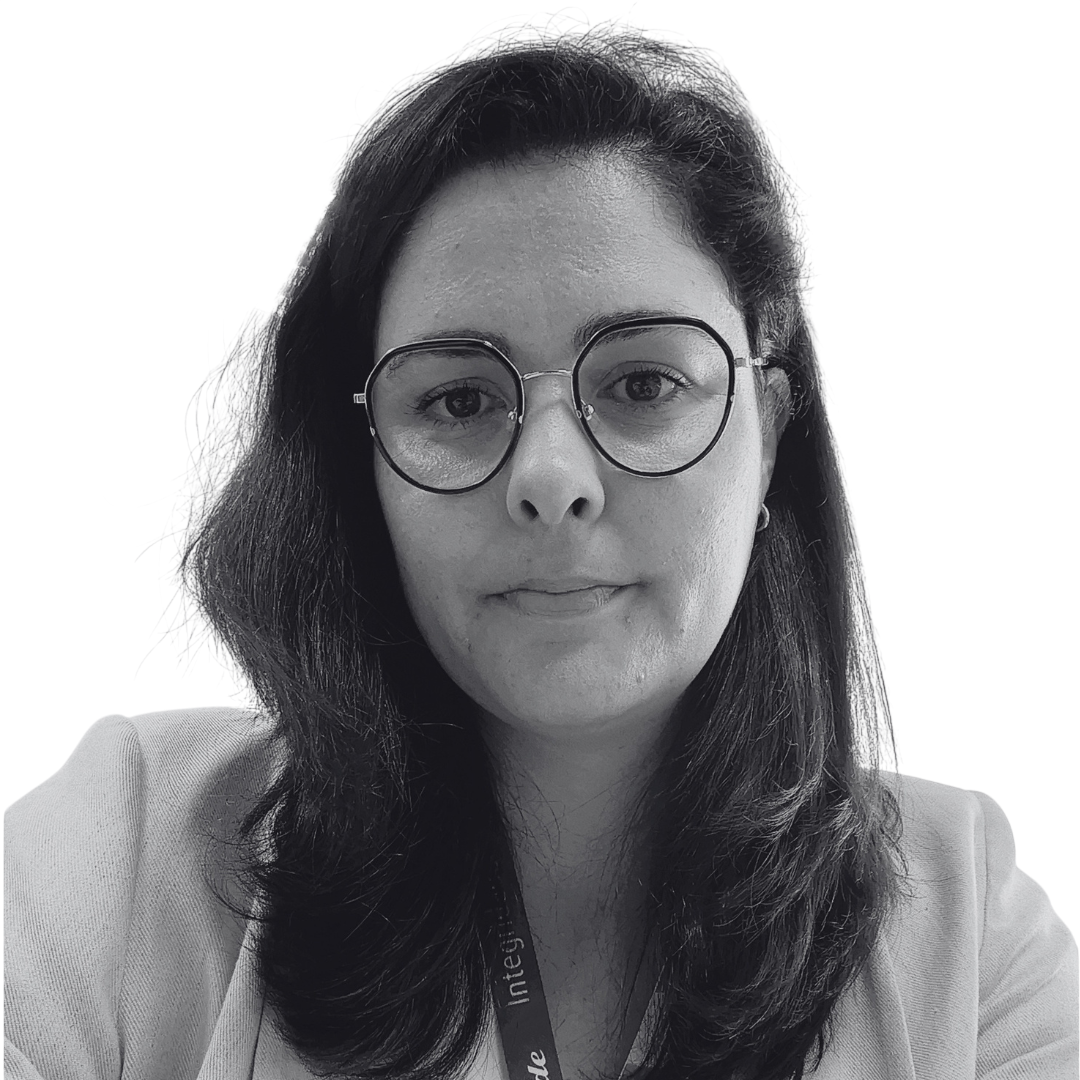
Catarina Durão
Postgraduate Nurse in Digital Health
Catarina Durão is a nurse with a postgraduate degree in Digital Health from ISCTE, and currently serves as Telehealth Sales Program Coordinator at Linde Saúde. She is dedicated to developing new models of care delivery supported by telemonitoring, clinical intelligence, and remote monitoring of people with chronic conditions. With experience implementing digital health programs at hospitals, insurance companies, and public agencies, she has contributed to the transformation of healthcare by integrating technology into care pathways, promoting a more preventive, personalized, and sustainable approach. Her work focuses on creating solutions that bring care closer to people, improving patients’ quality of life and supporting the sustainability of healthcare systems.
Sessions in which participates
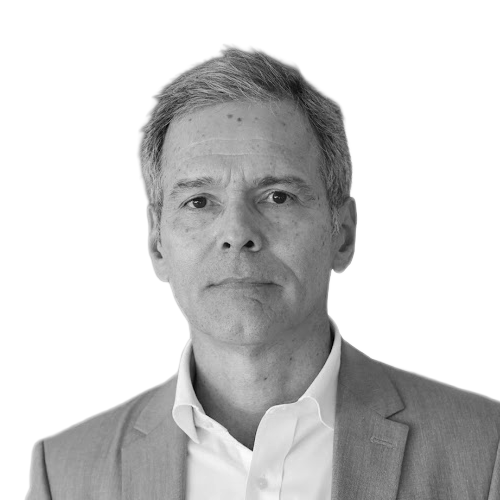
Denizar Vianna
Researcher and University Professor
Full Professor at the School of Medicine of the State University of Rio de Janeiro (UERJ). Superintendent of the Institute for Studies in Supplementary Health (IESS).
Researcher at the D’Or Institute for Research and Education (IDOR). Vice Rector for Health at UERJ (2021–2022). Secretary of Science, Technology, Innovation, and Strategic Supplies at the Ministry of Health (2019–2020). Consultant for the Inter-American Development Bank (2013–2017). Coordinator of the Center of Excellence of the Pan American Health Organization (2010–2012).
Sessions in which participates

Filipe Martins
Chair of the Executive Committee of Multicare
Chairman of Multicare’s Executive Committee, he has been part of the Fidelidade Group since 2015, having held positions in the areas of Business Development and Strategic Planning. He holds a bachelor’s degree in business administration from Católica and an MBA from London Business School.
Sessions in which participates
Health Insurance in an Aging Society
Parallel Session 16
Increasing longevity presents new challenges for health insurance, requiring more sustainable, preventive, and personalized models. This session examines how the sector is adapting to an aging population, exploring innovative solutions that integrate risk management, health promotion, and new services to ensure effective coverage and long-term economic sustainability.
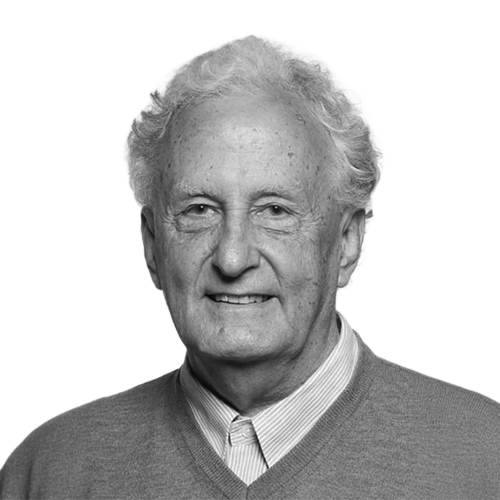
Alexandre Quintanilha
Scientist, researcher and academic
Alexandre Quintanilha Born in Mozambique, he is a physicist, researcher and Emeritus Full Professor at the Abel Salazar Institute of Biomedical Sciences (ICBAS) of the University of Porto, widely recognised for his contribution to the development of science in Portugal and for his international standing.
He graduated in Mathematics and Physics from the University of the Witwatersrand in Johannesburg, where he also completed a master’s degree in Theoretical Physics and a PhD in the same field. He later obtained his habilitation in Biophysics from the University of Porto.
His scientific career initially developed in the United States, where, for around twenty years, he taught and carried out research at the University of California, Berkeley. There, he distinguished himself as a professor of cell physiology and biophysics and as director of an Environmental Studies Centre at Lawrence Berkeley National Laboratory.
In the 1990s, he returned to Portugal, where he played a decisive role in the modernisation of national biomedical research. He was the founder and director of the Institute for Molecular and Cell Biology (IBMC) and the Institute of Biomedical Engineering (INEB), institutions that helped establish Portuguese research in cutting-edge fields. He also chaired the consortium of the Institute for Research and Innovation in Health (i3S).
At the same time, he held prominent roles in the promotion of scientific culture, chairing the scientific council of the Pavilion of Knowledge – Ciência Viva.
His work also extended to the civic and political sphere, having served as a Member of the Portuguese Parliament and Chair of the Education and Science Committee, as well as a member of the National Council of Ethics for the Life Sciences.
His career stands out for his ability to bring together research, teaching, innovation and public service, making him one of the most influential figures in contemporary Portuguese science.
Sessions in which participates
The Longevity Revolution in the 21st Century
Conference
Building societies for the long term requires rethinking economic, social, and governance models. This conference examines the impact of longevity on the sustainability of public systems, economic growth, and public policy, exploring solutions that promote a balance between innovation, inclusion, productivity, and quality of life in an increasingly aging society.
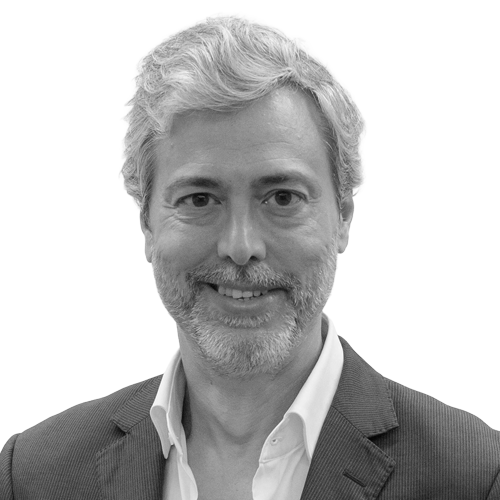
Luís Goes Pinheiro
Chairman of the Board of Directors of SPMS
Bachelor of Laws and postgraduate degree in Economic and European Criminal Law from the Faculty of Law at the University of Coimbra (2001).
General Coordinator of the Task Force for the Resolution of Pending Cases at AIMA, 2024–2026.
Chair of the Board of Directors of the Agency for Integration, Migration, and Asylum (2023–2024), the public entity responsible in Portugal for handling immigration, migrant integration, and asylum applications;
Chair of the Board of Directors of Shared Services of the Ministry of Health, E.P.E., (2020–2023), the entity responsible, among other duties, for the central health information systems during the COVID-19 pandemic;
Deputy Secretary of State for Administrative Modernization in the 21st Constitutional Government (2018–2019), responsible for the Simplex Program and with delegated powers regarding the Agency for Administrative Modernization, I.P.;
Deputy Secretary-General for Internal Administration, responsible for electoral administration (2018);
Secretary-General and Legal Advisor at the Order of Solicitors and Enforcement Agents (2011–2015, 2016–2018, 2019–2020).
Sessions in which participates
Ricardo Constantino
Partner and Head of Health and Public Sector at NTT DATA Portugal
Currently Partner & Head of Health & Public Sector at NTT DATA Portugal, Ricardo Constantino has more than 20 years of experience in business consulting, management and technology.
Throughout his career, he has led multiple digital transformation projects in the healthcare and public sector areas, contributing to the reinvention of public services and to the improvement of healthcare delivery.
He has extensive experience in managing multidisciplinary teams and coordinating projects in strategy, processes, digital transformation, information systems design and development, digital platform integration and application maintenance programmes.
In the healthcare sector, he was responsible, among other projects, for the design, creation and operation of the SNS Invoice Validation Centre (CCF), the creation and operation of the SNS Information Exploitation Unit (UEI), and the implementation of the largest medical imaging solution in Portugal.
He holds a degree in Mechanical Engineering from Instituto Superior Técnico and attended the Senior Management Programme for Healthcare Institutions at AESE.
Sessions in which participates

Sofia Marta
CEO Google Cloud
Sessions in which participates
Tamara Milagre
President of the EVITA Patients’ Association
Tamara Hussong Milagre is a distinguished leader in identifying, advocating for, and supporting individuals with pathogenic variants associated with a high risk of hereditary cancer, dedicated to improving the quality of life for families affected by hereditary cancer syndromes. As the founder of the “EVITA Association – Hereditary Cancer” in 2011, she was a global pioneer in efforts to support and empower individuals and families affected by any of these syndromes. She is the driving force behind the EVITA Platform, a digital platform designed to better identify and support carriers and healthcare professionals, while also encouraging active citizen participation in research. At the European level, Tamara serves as a prominent representative of the European Patient Advocate Group within the prestigious GENTURIS European Reference Network, which focuses on Genetic Tumor Risk Syndromes. Her involvement extends to critical areas such as the thematic group on “Hereditary Breast and Ovarian Cancer (HBOC)” and focus groups on “Organization of Care” and “Education, Training, and Development.” She was recently invited by IARC/WHO to join the advisory board on digital tools for tumor classification. Currently, Tamara is a co-author of several scientific articles, such as the recently published guidelines on “Counseling on Reproductive Options for GENTURIS Patients,” aimed at informing healthcare professionals and providing patients with comprehensive support. Tamara’s experience is enriched by her participation in prestigious educational programs, including the European School of Oncology (ESO) Master Class and the rigorous EUPATI course. She graduated from the EURORDIS Leadership School on Healthcare and Research in 2019, acquiring leadership skills and in-depth knowledge of the dynamics of healthcare and research. In addition to her advocacy efforts, Tamara collaborates closely with Infarmed, the Portuguese national medicines authority, and participates in forums such as the European Multi-Stakeholder Sounding Board of the EFPIA Oncology Platform and, as an invited stakeholder, in the “Prevention and Early Detection” working group at the European Cancer Organization, thereby strengthening her global influence. At the national level, Tamara has driven progress as a founding member of the Portuguese Society of Oncology’s working group on Hereditary Cancer Syndromes. She actively contributes to initiatives focused on “Prevention and Early Detection” and genomic medicine through her involvement in various organizations and initiatives, including the DGS Working Group on Hereditary Cancer, as part of the National Strategy for the Fight Against Cancer, and the PT_MedGen initiative. Tamara’s exceptional contributions to the field of hereditary cancer were officially recognized in November 2020, when she received the prestigious Medal of Scientific Merit from the Portuguese Minister of Science. Her unwavering dedication and global impact set her apart as a true influencer in the field.
Sessions in which participates
Health Data, Interoperability, and Trust
Plenary Session 5
The digital transformation of healthcare depends on the ability to collect, integrate, and share data in a secure, efficient, and meaningful way. However, the fragmentation of systems and the lack of interoperability continue to limit its potential. This session addresses the role of data as a central element for better clinical decision-making, systems management, and public policy development. The session will discuss the challenges of interoperability between platforms, data quality and governance, privacy protection, and the legal framework. It will also highlight the importance of building public trust by ensuring transparency, security, and the ethical use of information in an increasingly complex digital ecosystem.
Nazaré Costa Cabral
Chair of the Portuguese Public Finance Council
Chair of the Senior Board of the Portuguese Public Finance Council (CFP) since March 2019. A jurist and economist, she has an academic and professional background marked by interdisciplinarity between Law and Economics, with a particular focus on Public Finance, budgetary policies, and the sustainability of State finances. She holds bachelor’s, master’s, and doctoral degrees in Law from the Faculty of Law of the University of Lisbon, and later completed a degree in Economics at Nova School of Business and Economics, strengthening her expertise in the economic analysis of public policies. She is an Associate Professor with Habilitation at the Faculty of Law of the University of Lisbon and Principal Researcher at the Research Centre for Economic, Financial and Tax Law (CIDEEFF). Throughout her academic career, she has published several books and scientific articles in the fields of Public Finance, Fiscal Federalism, Financial Law, and European Integration, and is recognised for her contribution to the study of budgetary governance. Institutionally, in addition to chairing the CFP since 2019, she was a member of the European Commission’s High-Level Group of Experts on Pensions in 2018 and has collaborated as an expert in several European projects, namely MoveS, related to social policies and mobility. She is also a full member of the Lisbon Academy of Sciences, reflecting the recognition of her scientific and academic merit.
Sessions in which participates
The New Longevity Economy: The Largest Market of the 21st Century
Conference
Longevity is redefining the global economy and giving rise to one of the largest markets of the 21st century. The growth of the population aged over 60, combined with increasing life expectancy, is transforming patterns of consumption, investment, innovation and service organisation, creating unprecedented opportunities for companies, governments and institutions. The so-called Longevity Economy encompasses a wide range of sectors, including healthcare, biotechnology, insurance, housing, tourism, mobility, technology, education, finance and long-term care.
Far from representing only a challenge associated with demographic ageing, longevity is an important driver of economic growth, the creation of qualified employment and the development of new products, services and business models focused on the needs of a population that lives longer, remains active for more years and has growing expectations in terms of quality of life, autonomy and well-being.
This topic invites reflection on the economic potential of longevity and on how Portugal can position itself within this emerging market by promoting innovation, entrepreneurship and investment. International trends, the role of digital transformation, artificial intelligence and personalised medicine will be analysed, as well as challenges related to financing, sustainability, workforce qualification and the adaptation of public policies.
Understanding the New Longevity Economy means recognising that population ageing is not only a pressure on social systems, but also a strategic opportunity to drive economic growth, stimulate innovation and build a more inclusive, competitive society, better prepared to respond to the needs of an increasingly long-lived population.
João Eurico Cabral da Fonseca
Physician, University Professor and Dean of the Faculty of Medicine of the University of Lisbon
João Eurico Cabral da Fonseca earned his bachelor’s degree in medicine (1992), his Ph.D. (2004), and his postdoctoral qualification (2010) at the Faculty of Medicine of the University of Lisbon (FMUL). He completed his residency in rheumatology in 2000. In 2010, he completed a postgraduate program in health management at AESE – Lisbon School of Management and Business. He is a Full Professor, Director of FMUL, and Director of the Rheumatology Service at the Santa Maria Local Health Unit (ULS), Lisbon Academic Medical Center. He is also Director of the Institute of Clinical Semiotics at FMUL and of the Rheumatology Research Unit at FMUL. He coordinates Modules III.IV, III.V, and 5th-year Internal Medicine and Surgery. Head of Rheumatology. His research has focused on diagnostic, prognostic, and treatment markers for inflammatory joint diseases, with a special interest in the synovial membrane. He is the author of more than 400 scientific articles indexed in PubMed and a member of the editorial board of several scientific journals.
Sessions in which participates
Lourdes Martin Mendez
Teacher at Universidade Europeia de Madrid
Professor in the Department of Medicine at the Faculty of Medicine, Health and Sport of the European University of Madrid, where she also serves as Vice-Dean for the Health Sciences area.
Her professional activity combines university management, teaching, and scientific research, with a career marked by the integration of academic leadership, pedagogical innovation, and research in health sciences.
In the scientific field, she conducts research in Medicine, collaborating with national and international teams on health research projects. Her scientific output includes work in pharmacology and cardiology, with a particular focus on assessing the clinical effects of therapies and researching cardiovascular diseases.
In parallel, she holds academic leadership and strategic management roles, coordinating executive training initiatives, scientific conferences, and innovation projects, particularly in the application of Big Data technologies and advanced data analysis to support decision-making in healthcare.
Her work also extends to the European University in Portugal, where she participates in the development of academic and scientific projects focused on digital transformation and innovation in the healthcare sector.
Sessions in which participates
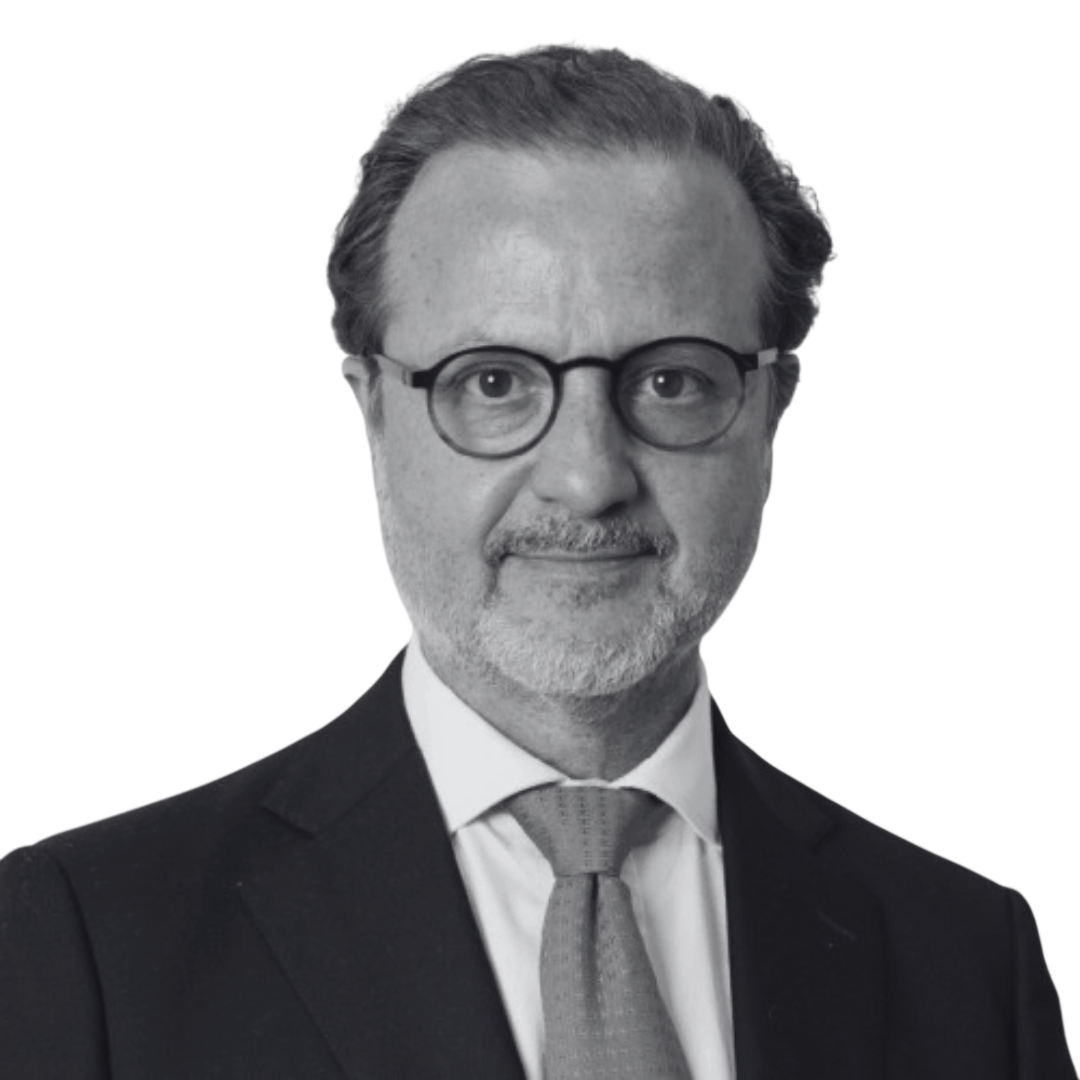
Orlando Monteiro da Silva
Adviser to the Office of the Minister for Parliamentary Affairs
Consultant in Health Regulation and Policy;
President of the National Association of Liberal Professionals (ANPL);
Southern Europe Section Regent of the Academy of Dentistry International;
Member of the SEDES Observatory for Health and Social Action and of the Board of SEDES Porto.
Professional and Academic Experience
2001–2020 – President of the Portuguese Dental Association (OMD);
2011–2020 – President of the National Council of Professional Associations (CNOP);
2011–2013 – President of the FDI World Dental Federation;
2006–2009 – President of the Council of European Dentists (CED);
2019–2020 – President of the Federation of European Dental Competent Authorities and Regulators (FEDCAR);
2011–2020 – Member of the Portuguese Economic and Social Council (CES);
2017–2020 – Member of the Portuguese National Health Council (CNS);
2015–2019 – Member of the Advisory Board of the Portuguese Health Regulatory Authority (ERS);
1991–1995 – Assistant Professor of Health Policy in Europe at Universidade Moderna do Porto;
1988–1990 – Second Lieutenant Dental Officer in the Portuguese Air Force;
1987–2017 – Dentist in private practice.
Conferences and Publications
Speaker at numerous national and international scientific and professional congresses, courses and seminars. Author of a wide range of opinion articles and a regular contributor to Portuguese and international general and specialist media.
Academic Qualifications
1987 – Degree in Dental Medicine from the Faculty of Medicine and the School of Dental Medicine of the University of Porto.
Postgraduate Education
November 2022–July 2023 – Strategic Thinking and Development for Health and Care Regulators, Erasmus University Rotterdam – Erasmus School of Health Policy & Management, the Netherlands;
October–November 2022 – 21st Postgraduate Course in Public Regulation and Competition, Centre for Public Law and Regulation Studies (CEDIPRE), Faculty of Law, University of Coimbra;
February–July 2022 – 7th Postgraduate Course in Bioethics, Private Law Research Centre, Faculty of Law, University of Lisbon, Portugal;
October 2020–July 2021 – Healthcare Management, Nova School of Business & Economics, Carcavelos, Portugal, first edition;
September 2008 – Mastering Health Care Finance, a partnership between the Institute of Health Economics and Management – Harvard Medical International and Centro Hospitalar do Porto, Vila Nova de Gaia, Portugal;
February 2009 – Upgrading NGO Lobbying Practices, European Training Institute (ETI), Brussels, Belgium.
Honours and Distinctions
2014 – Honorary Doctorate from the University of Porto, Portugal;
2015 – Municipal Gold Medal of Merit awarded by Porto City Council, Portugal;
2014 – Honorary Member of the American Dental Association (ADA), United States;
2014 – Honorary Member of the General Council of Dentists of Spain;
2011 – Honorary Citizen of the City of Montevideo, Uruguay;
2017 – Macao Conference Ambassador for the Macao Special Administrative Region, China.
Sessions in which participates
Ema Paulino
President of the Portuguese National Association of Pharmacies
Ema Paulino is a community pharmacist and the owner of a pharmacy in Almada, Portugal. She is currently Managing Director and Professional and Scientific Coordinator at Ezfy. Since June 2021, she has served as President of the Portuguese National Association of Pharmacies.
She previously served on the National Board of the Portuguese Pharmaceutical Society until June 2021, as President of its Lisbon and Southern Region Branch from 2012 to March 2019, and as a Board Member of the Portuguese National Association of Pharmacies from 2003 to 2012.
Until September 2021, she was a member of the Executive Committee of the International Pharmaceutical Federation (FIP), where she served as Professional Secretary. She had previously held several positions within the organisation, including Interim CEO, Vice-President and Secretary of the Community Pharmacy Section, as well as President and Project Coordinator of the Young Pharmacists Group.
While studying Pharmaceutical Sciences, she served as President of the Portuguese Association of Pharmacy Students (APEF) and as Coordinator of the Health Information, Promotion and Education Office at the Faculty of Pharmacy of the University of Lisbon (GIPES).
Ema is also a Board Member of the Pharmaceutical Care Network Europe (PCNE) and the International Primary Care Respiratory Group (IPCRG).
Sessions in which participates
The Future of Healthcare Professionals in the Age of Technology
Plenary Session 6
Rapid scientific and technological advances are profoundly transforming the role of healthcare professionals. New digital tools, artificial intelligence, and more integrated care models require distinct skills, greater adaptability, and collaboration within multidisciplinary teams. This session examines how to prepare professionals for this new context, from initial training to lifelong learning, as well as the impacts on work organization, leadership, and institutions. The balance between technology and the humanization of care will also be discussed, ensuring that innovation reinforces rather than replaces the relationship between professionals and patients.
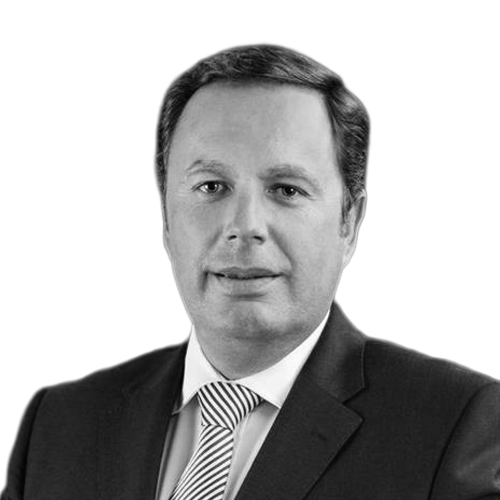
Paulo Alexandre Sousa
President of Santa Casa da Misericórdia de Lisboa.
Graduated in Business Management from the Lisbon School of Economics and Management (ISEG), he began his career in the banking sector, serving as Chairman of the Executive Committee of Banco Comercial e de Investimentos, S.A., and as Head of the Real Estate Financing Division at Caixa Geral de Depósitos (CGD).
He also gained significant international experience between 2013 and 2019, representing CGD’s interests in Mozambique. During this period, he additionally served as Portugal’s representative on the European Mortgage Federation’s Committee on Economic Affairs.
Sessions in which participates
More Years, Better Life: The Great Challenge of Healthy Longevity
Conference
The increase in life expectancy represents one of the greatest achievements of contemporary society. However, the real challenge is no longer simply to live more years, but to ensure that those years are lived with health, autonomy, functionality and quality of life.
Healthy longevity therefore emerges as a strategic priority for healthcare systems, public policies and society, requiring an approach focused on prevention, health promotion and early intervention throughout the entire life course.
In a context marked by demographic ageing and the rise of chronic diseases, it is essential to invest in healthy lifestyles, health literacy, vaccination, screening, biomedical innovation, personalised medicine, artificial intelligence and integrated care models that help preserve functional capacity and reduce disability.
The aim is to add health to years of life, promoting active, independent and socially engaged ageing.
This topic proposes a reflection on the factors that determine healthy longevity and the strategies needed to respond to the challenges of the coming decades. It will address the implications for healthcare systems, the economy, the labour market, cities and communities, as well as the role of technological innovation, scientific research and public policies in creating environments that support ageing.
More than extending life, it is important to create the conditions for people to live longer with physical, mental and social well-being. Healthy longevity is therefore one of the greatest challenges and, at the same time, one of the greatest opportunities to build more resilient, inclusive and sustainable societies.
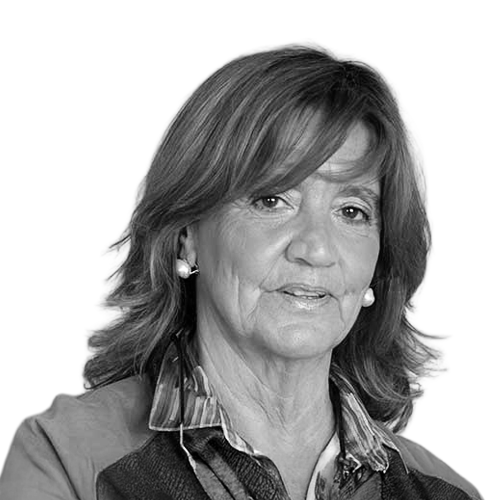
Maria João Valente Rosa
Professor at the School of Social Sciences and Humanities of NOVA University Lisbon (NOVA FCSH)
Ph.D. in Sociology (specializing in Demography), awarded in 1993 by the Faculty of Social and Human Sciences at Universidade Nova de Lisboa (FCSH-UNL)
Assistant Professor at FCSH-UNL since 1993 and a full-time researcher at the “Portuguese Institute of International Relations” at UNL. Scientific coordinator (2024–2026) for studies to be conducted as part of the “New Long-Lived Societies” project of the Economic and Social Council (CES).
She served (2012–2022) on the Higher Council of Statistics (CSE) as a member recognized for her scientific merit and independence, and has been a member (since 2014) of the European Statistical Advisory Committee (ESAC). She has been a member of the ESAC Executive Board (since 2015), serving as coordinator of the network of European statistics users.
She held various public offices between 2000 and 2009 in the Ministries of Education and Science.
From 2009 to February 2019, she directed Pordata—the Database on Contemporary Portugal, a project of the Francisco Manuel dos Santos Foundation.
She is the author and co-author of numerous studies on contemporary Portuguese society, demographic aging, and statistical literacy.
Sessions in which participates

Margarida Corrêa de Aguiar
Economist, Former President of ASF – Insurance and Pension Funds Supervisory Authority
She holds a degree in Business Management from Universidade Livre de Lisboa and has developed a distinguished career in financial supervision, social security, pensions and economic regulation.
She was President of the Insurance and Pension Funds Supervisory Authority (ASF), and also served on the National Council of Financial Supervisors, the Board of Supervisors of the European Insurance and Occupational Pensions Authority (EIOPA), and the General Board of the European Systemic Risk Board (ESRB).
Throughout her career, she has held senior positions in public and private institutions. She was a consultant to the Board of Directors of Banco de Portugal, a board member of the Energy Services Regulatory Authority (ERSE), Secretary of State for Social Security, chief executive officer of the Pension Fund Management Company of Banco de Portugal, and held management positions in banking and the financial sector.
She has participated in several national committees dedicated to the reform of Social Security, pensions and ADSE, as well as in advisory bodies of CMVM, the Portuguese Association of Insurers and the Confederation of Commerce and Services of Portugal.
She has also developed extensive academic, associative and civic activity, collaborating with universities, professional bodies and social sector institutions, while also carrying out volunteer work in solidarity organisations.
With advanced training in financial risk management, corporate finance, asset management and senior business management, she is the author of the book Pensions – Restoring the Social Contract to Restore Generations and of numerous technical publications on social security, pension systems, the social economy and public policies.
Sessions in which participates

Camile Giaretta Sachetti
Head of the Fiocruz Representation in Portugal
A civil servant in the Science and Technology career track at the Brazilian Ministry of Health, she is currently on secondment to the Oswaldo Cruz Foundation (Fiocruz), where she serves as the head of the Fiocruz Representative Office in Portugal. She is a postdoctoral fellow at the School of Medical Sciences of the State University of Rio de Janeiro (UERJ), holds a Ph.D. in Public Health, specializing in Advanced Therapies, from the University of Brasília (UnB), a master’s degree in Health Sciences, and a bachelor’s degree in Industrial Pharmacy.
She serves on the Board of Directors of the Foundation for Scientific and Technological Development in Health (Fiotec) and on the Board of the Ataulpho de Paiva Foundation.
For five years, she served as Director of the Department of Science and Technology at the Brazilian Ministry of Health. During this period, she was recognized for creating and implementing the Genomas Brasil Program, the Action Plan for Clinical Research in Brazil, the Evidence Production Service to Support Decision-Making, and the Technology Commission for the production of the COVID-19 vaccine.
She also served as a consultant to the Butantan Institute and the Pan American Health Organization/World Health Organization (PAHO/WHO), participating in projects related to public funding for science, technology, and innovation in health, as well as the design and structuring of public programs and policies in this area, involving entities from both the public and private sectors.
Sessions in which participates
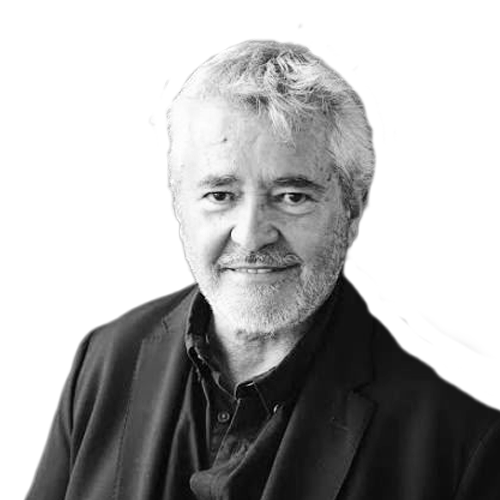
Álvaro Beleza
President of SEDES
A medical specialist in Immuno-Haemotherapy, he is currently Director of the Blood Service at ULS Santa Maria and Professor of Clinical Transfusion Medicine at the Faculty of Medicine of the University of Lisbon.
He graduated in Medicine from the Faculty of Medicine of the University of Porto and has developed a career marked by the leadership of blood services and the implementation of quality systems in healthcare institutions.
He served as Director of the Blood Service at Hospital de Évora and coordinated the Immuno-Haemotherapy Services networks in the Alentejo and Algarve regions, promoting certification and continuous improvement processes that led to the achievement of ISO 9001 certifications.
He was also Director of the “Laura Ayres” Regional Public Health Laboratory of the Algarve, contributing to the strengthening of quality and response capacity in laboratory and public health services.
Alongside his clinical and management activity, he has held teaching roles in postgraduate programmes dedicated to international quality systems, sharing his experience in the areas of management, certification and organisation of healthcare services.
Recognised for his career in transfusion medicine and quality management in healthcare, he currently serves as President of the Coordinating Council of SEDES, placing his experience at the service of strategic reflection and the development of policies for Portuguese society.
Sessions in which participates
Demographics, Longevity, and the Sustainability of Social Security
Plenary Session 7
Demographic aging and increased life expectancy pose profound challenges to the sustainability of social protection systems. The pressure on pensions, healthcare, and social support requires strategic reflection on financing models, intergenerational equity, and the adaptation of public policies. This plenary session analyzes the impact of longevity on public finances and the organization of Social Security, exploring future scenarios and possible reforms. Also under discussion will be the relationship between longevity and healthspan, labor market participation, and innovative solutions that ensure more resilient, sustainable systems adapted to new demographic dynamics.
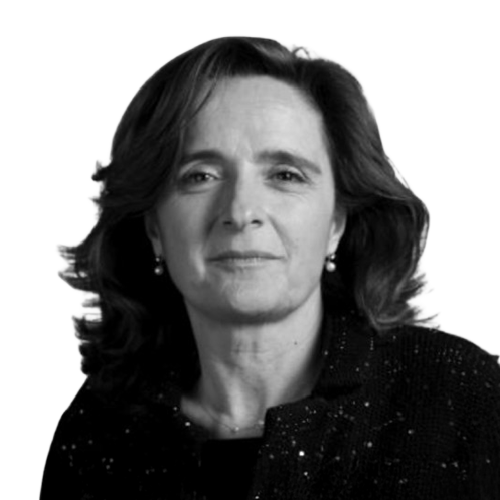
Helena Freitas
Full Professor of Biodiversity and Ecology at the University of Coimbra
Full Professor of Biodiversity and Ecology at the University of Coimbra, where she coordinates the Centre for Functional Ecology (CFE) and holds the UNESCO Chair in Biodiversity and Conservation for Sustainable Development.
She holds a PhD from the University of Coimbra and the University of Bielefeld, Germany, and completed her postdoctoral research at Stanford University, in the United States, consolidating an internationally recognised scientific career.
She holds leadership roles in several research institutions, also coordinating FitoLab at Instituto Pedro Nunes and representing Portugal on the Intergovernmental Platform on Biodiversity and Ecosystem Services (IPBES).
She has developed leading research in the fields of biodiversity, functional ecology, nature conservation and sustainability. Throughout her career, she has played an active role in the scientific community, having chaired the Portuguese Society of Ecology (SPECO) and currently serving as Vice-President of the European Ecological Federation.
The international recognition of her work culminated in 2024 with the award of the prestigious Ernst Haeckel Prize, the highest distinction granted by the European Ecological Federation, recognising outstanding scientific contributions to ecology.
She is also a Commander of the Order of Prince Henry, a distinction that recognises her contribution to science, research and the international profile of Portugal.
Sessions in which participates
Nuno Piteira Lopes
Presidente da Câmara Municipal de Cascais
Sessions in which participates
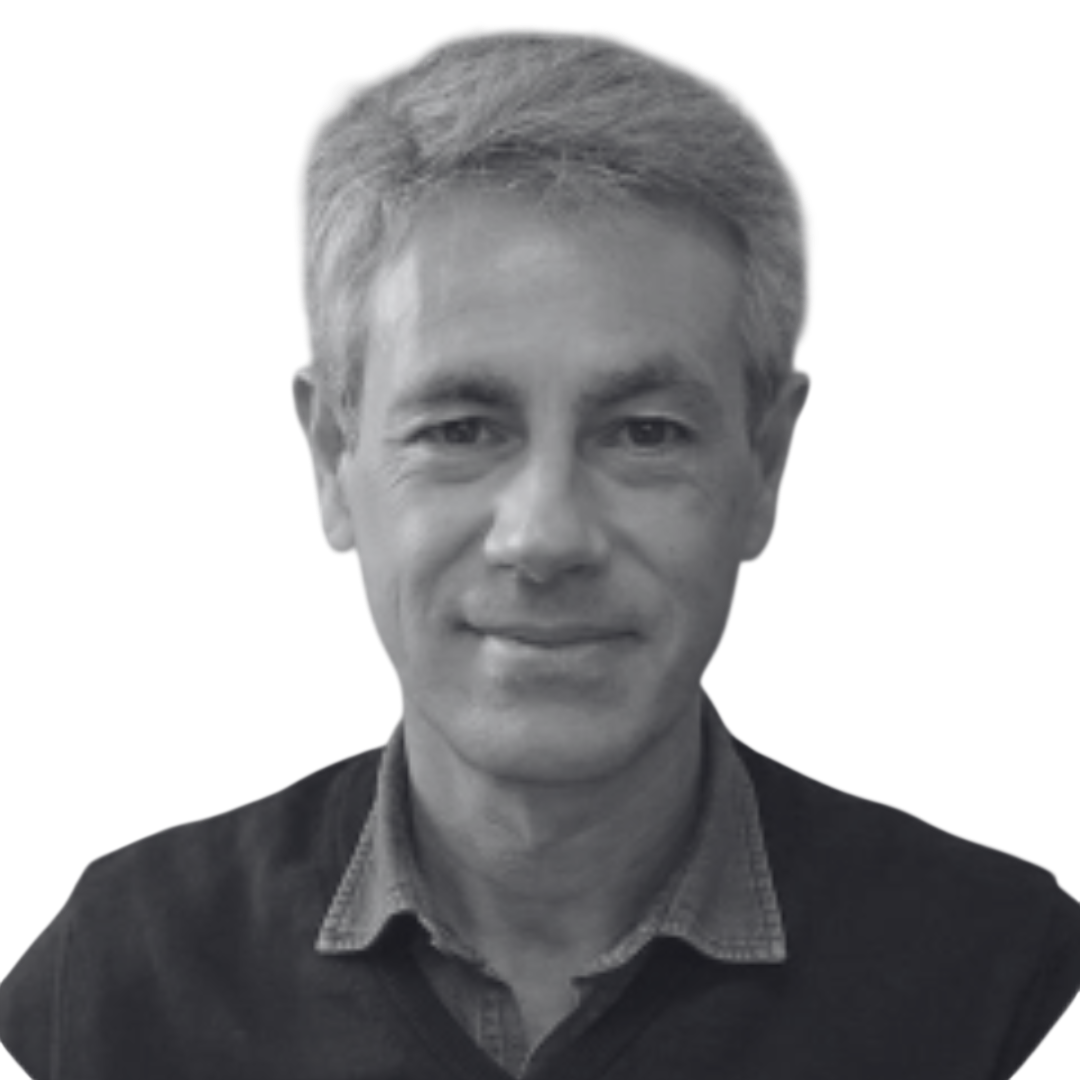
Paulo Morgado
Professor do Instituto de Geografia e Ordenamento do Território
Geographer and geographic information scientist, associate professor at the Institute of Geography and Spatial Planning (IGOT) at the University of Lisbon; researcher at the Center for
Geographic Studies and member of the TERRA Associated Laboratory, and co-coordinator of GEOMODLAB.
Ph.D. in Regional and Urban Planning from the University of Lisbon, with a dissertation that involved the development of a GIS plug-in for network analysis based on graph theory and complex networks, enabling the calculation of advanced accessibility and connectivity metrics. He coordinated an H2020 project and led work packages and tasks in several Horizon Europe projects.
Former visiting researcher at the Centre for Advanced Spatial Analysis (UCL) and visiting fellow in the Department of Land Economy at the University of Cambridge. His research areas focus on analyzing the complex interactions between people and their environment, whether physical, digital, or hybrid. More specifically, his research aims to generate robust scientific evidence to support more informed decision-making regarding sustainable urban development and the promotion of healthy spaces and population well-being.
Paulo’s professional and academic interests center on the development and application of advanced methodologies and technologies, such as neurocomputing, neurourbanism, smart and cognitive cities, digital twins, wearable sensors, citizen science, remote sensing, virtual reality, and the Metaverse.
Sessions in which participates
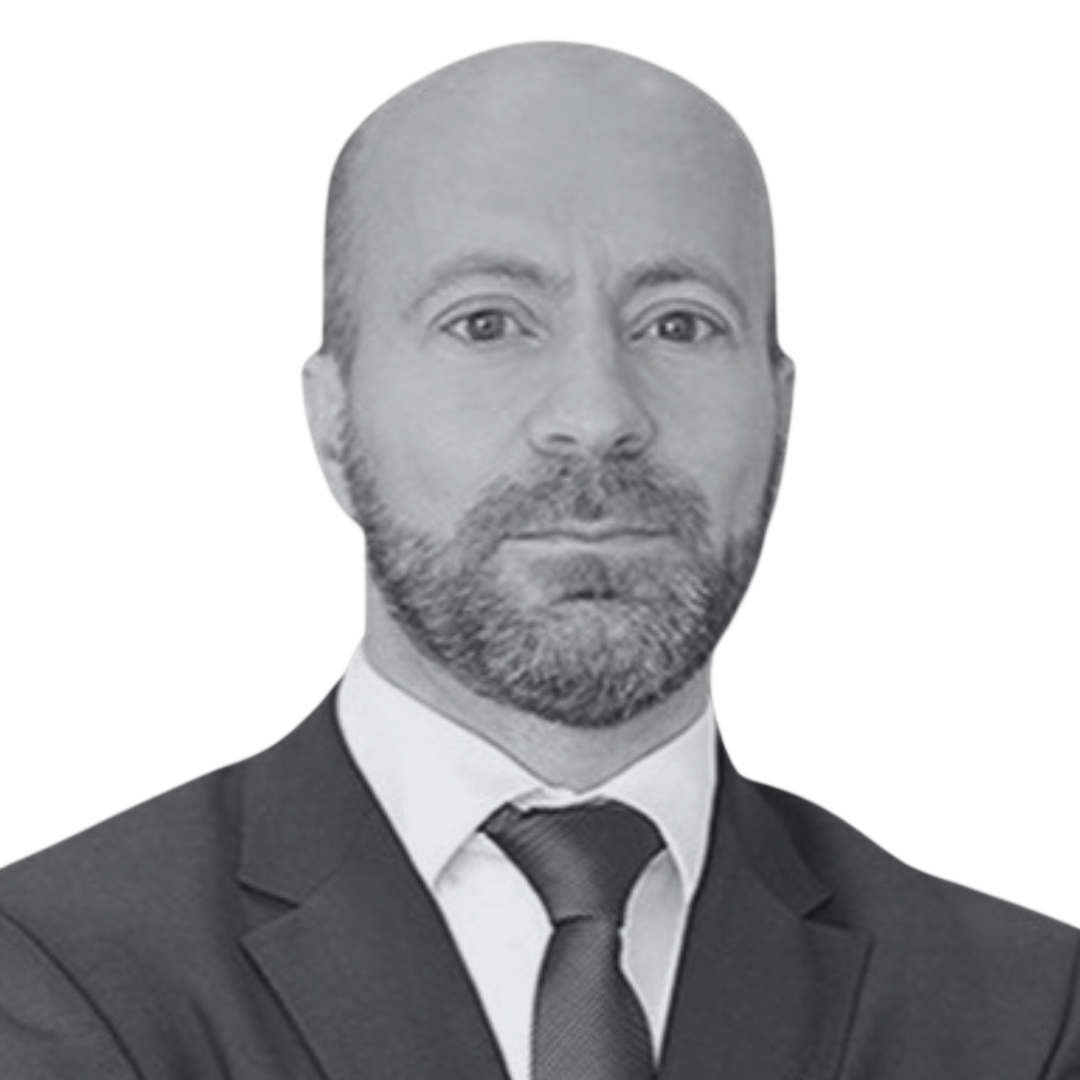
Carlos Cruz
Chairman at Deloitte Portugal
He holds a degree in Management from ISEG – Lisbon School of Economics & Management, has been a Statutory Auditor since 2012, and was a member of DTTL’s Global Advisory Council (GAC FY14). With more than 25 years of experience in Audit & Assurance, he has worked with some of the largest business organisations operating in Portugal across a wide range of sectors.
Sessions in which participates
Cities, the Environment, and Quality of Life in an Aging Society
Plenary Session 8
As societies age, the cities and environments where we live become key determinants of quality of life. Public spaces, mobility, housing, access to services, and environmental sustainability directly influence autonomy, health, and well-being throughout life. This plenary session explores how to rethink more inclusive, accessible, and resilient territories capable of meeting the needs of increasingly long-lived populations. We will discuss solutions that integrate urban planning, the environment, and innovation, promoting cities that support active aging, social participation, and a better quality of life for all generations.
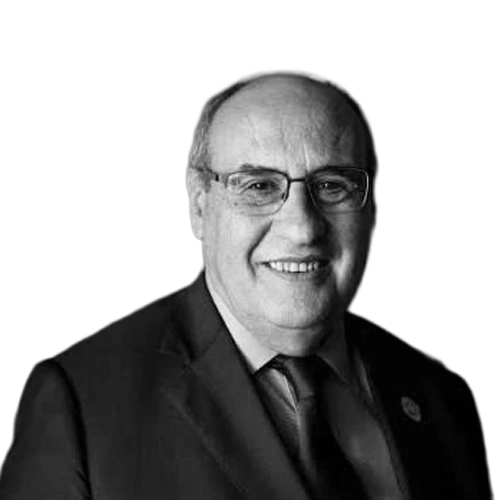
António Vitorino
Lawyer, Former European Commissioner, Former Director General of the International Organization for Migration (IOM), President of the National Council for Migration and Asylum
António Vitorino served as President of the National Council for Migration and Asylum and has built a distinguished career spanning politics, law, public administration, academia, and international organizations.
He was Director General of the International Organization for Migration (IOM) from 2018 to 2023. In Portugal, he served as a Member of Parliament for the Socialist Party across six legislative terms and held the positions of Minister of the Presidency, Minister of National Defence, and Secretary of State for Parliamentary Affairs.
He also served as a Judge of the Constitutional Court, Deputy Secretary to the Governor of Macau for Administration and Justice, European Commissioner for Justice and Home Affairs, and Member of the European Parliament, where he chaired the Committee on Civil Liberties, Justice and Home Affairs.
Holding a Law degree and a Master’s degree in Legal and Political Sciences, he has been a practising lawyer since 1983. He has pursued a significant academic career at several Portuguese universities and is currently a Professor at Sciences Po in Paris.
In the private sector, he was a partner at the law firm Cuatrecasas, Gonçalves Pereira & Associados and has served on the boards, supervisory bodies, and advisory committees of various companies and institutions. His experience combines political leadership, legal expertise, and a strong international perspective, with a particular focus on justice, migration, and governance.
Sessions in which participates
Development, Demographics, and Longevity: Challenges of the 21st Century
Conference
Against a backdrop of rapid demographic and technological change, this conference invites us to reflect on how we want to live in the future. It explores scenarios for the year 2100, bringing together science, ethics, and society, and discussing the choices that will influence longevity, quality of life, the role of technology, and the balance between progress, humanity, and collective well-being
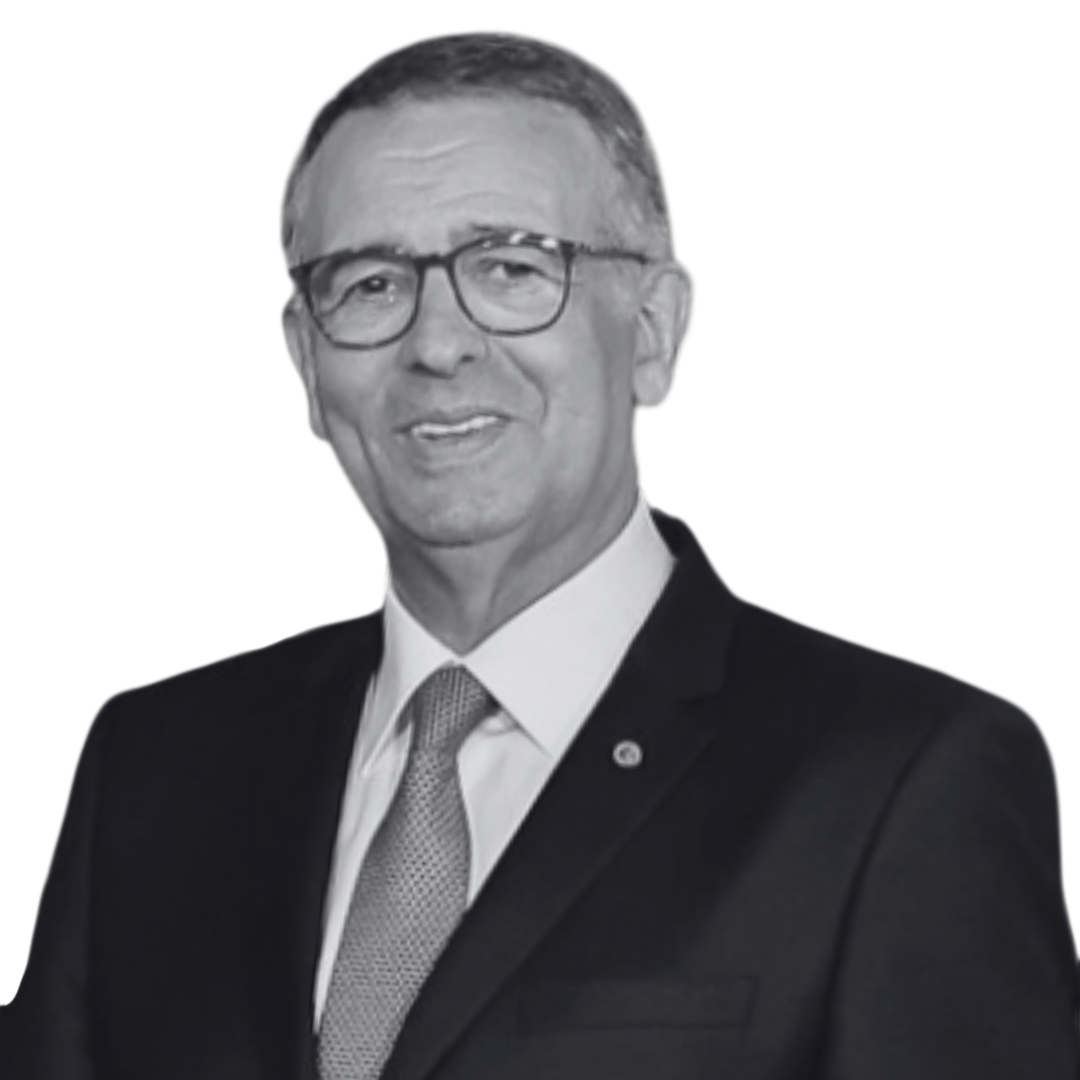
António José Martins Seguro
António José Martins Seguro was born on 11 March 1962 in Penamacor, a town of which he is an Honorary Citizen and where he acquired, from an early age, a deep appreciation for community, hard work, and solidarity. He is the youngest of three children of Domingos Sanches Seguro (1926-2017) and Maria do Céu Martins Seguro (1927-2011), whose examples of dedication and integrity shaped his sense of responsibility and public service.
He is married to Maria Margarida Nave Nunes Maldonado Freitas (2001) and has two children, Maria (2002) and António (2006), with whom he resides in Caldas da Rainha.
He was educated in Penamacor (primary school, Escola Preparatória Ribeiro Sanches, and Externato Nossa Senhora do Incenso) and completed his final year of secondary education in Castelo Branco (Escola Industrial e Comercial).
He holds a degree in International Relations from the Autonomous University of Lisbon, a Master’s degree in Political Science from ISCTE – University Institute of Lisbon (ISCTE–IUL) and is currently a doctoral candidate in Political Science at the School of Social and Political Sciences of the University of Lisbon (ISCSP–UL).
Prior to his election as President of the Republic, he served for nineteen years as a university lecturer in the fields of Political Science and International Relations at the Autonomous University of Lisbon (UAL) and, for nine years, at the School of Social and Political Sciences (ISCSP – University of Lisbon).
Alongside his well-known passion for teaching and engaging in dialogue with students, António José Seguro devoted a significant part of his career to academic research and reflection, with particular emphasis on studying the quality of democracy, the role of assemblies within systems of government, ethics in public life, citizenship, and European integration.
He began his political activity at a young age, emerging as a leading figure in several civic and political initiatives, ranging from socially oriented youth associations in his home town to serving as President of the Portuguese National Youth Council and of the European Youth Forum.
In February 1981, he joined the Socialist Party, within which he held various positions, notably Secretary-General of the Socialist Youth, Director of the Policy Studies Office, and Secretary-General. He also served as President of the PS Parliamentary Group in the Assembleia da República.
He was a Member of the Assembleia da República for several legislatures, establishing himself as an advocate of democratic dialogue. In 2007, he led a reform of the Portuguese Parliament, which profoundly transformed the functioning of both the Portuguese Parliament and political system, strengthening governmental scrutiny by enhancing the oversight powers of the opposition and rendering the Assembleia da República more transparent and effective in the legislative process.
He also served as a Member of the European Parliament, consolidating a pro-European vision grounded in solidarity between States and in the affirmation of Portugal within the common European project. He acted as co-rapporteur of the report on the Treaty of Nice.
He was President of the Municipal Assembly of Penamacor and a member of the Municipal Assembly of Gouveia. He served as a member of the 13th (1995-1999) and 14th (2001-2002) Constitutional Governments and of the Council of State (2011-2014).
As a political leader, he fostered a culture of responsibility, transparency, and high ethical standards, underscoring that citizens’ trust is the greatest asset of public life. He fought against social inequalities, championed policies aimed at creating opportunities, and affirmed the centrality of human dignity in all public decisions.
For António José Seguro, politics has meaning only insofar as it tangibly improves people’s lives, protects the most vulnerable and addresses injustice.
Between 2016 and 2026, he pursued a career in business, investing in agricultural and tourism activities in his home town.
His trajectory has been marked by a strong connection to his roots and to people, by a commitment to developing the country’s interior regions, and by a vision of development that brings together economic growth, social justice, and environmental sustainability. His career combines political experience at local, national, and European levels, academic reflection, and business activity, illustrating an integrated vision of Portugal and of its role in Europe and the World.
António José Seguro was elected President of the Portuguese Republic on 8 February 2026 with 3 502 613 votes – the highest number of votes ever obtained by a candidate in a presidential election – corresponding to 66.84 % of the votes cast.
In assuming the Presidency of the Republic, António José Seguro brings with him a lifetime dedicated to public service, grounded in strong ethical values, a humanist vision of politics, and an unwavering commitment to freedom, democracy, and the dignity of every citizen.
Sessions in which participates

Teresa Santos
Professor at Universidade Europeia
Clinical Psychologist, PhD in Health Psychology from ISPA – Instituto Universitário. Psychotherapist in Behavioural, Cognitive and Integrative Therapies.
Specialist in Clinical and Health Psychology, Psychotherapy, Educational Psychology and Community Psychology, awarded by the Portuguese Psychologists Association.
Coordinator of Psychology and Assistant Professor at Universidade Europeia. Invited Assistant Professor at the Faculty of Medicine of the Portuguese Catholic University and researcher at CatólicaMed Platform – Interdisciplinary Health Research Centre (CIIS) of the Portuguese Catholic University.
Author of several national and international publications and researcher in national and international projects.
Sessions in which participates
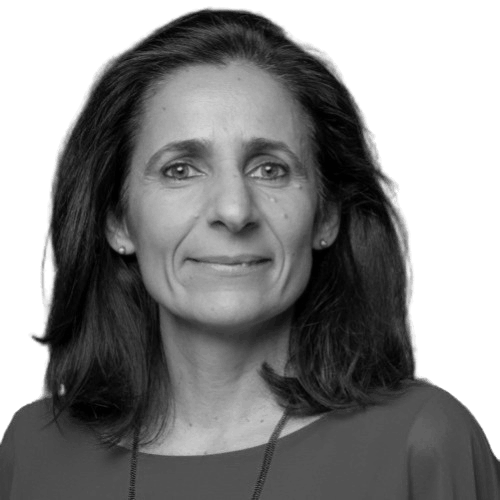
Sandra Martins
Professor at Universidade Europeia
PhD in Human Kinetics, specialising in Health and Physical Fitness, Principal Investigator at the Research Centre in Sports Sciences, Health Sciences and Human Development (CIDESD), and Associate Professor of Sports at Universidade Europeia, where she is also part of the management board of Europeia ID.
Her research focuses on clinical exercise physiology, ageing, lifestyles and chronic diseases, with particular emphasis on obesity, bariatric surgery, type 1 and type 2 diabetes, cancer, digital health and artificial intelligence, promoting the transfer of knowledge to the community.
She is the author and co-author of numerous scientific articles, books and book chapters published in indexed international journals. She has participated in several funded research projects, supervised and co-supervised master’s and PhD dissertations, and regularly serves on academic juries.
She also works as a clinical exercise physiologist at the Endocrinology and Nutrition Centre of Hospital CUF Tejo, and is a trainer in the field of physical exercise and cancer, as well as a member of the ONCOMOVE team.
Throughout her career, she has held several academic coordination roles in undergraduate degrees, master’s programmes, postgraduate programmes and advanced courses in the fields of exercise physiology, nutrition and chronic disease.
She is Vice-President of the Portuguese Association of Exercise Physiologists, President of the Supervisory Board of the Portuguese Society for the Study of Obesity, and Secretary of the Study Group on Endocrinology of Sport and Physical Exercise of the Portuguese Society of Endocrinology, Diabetes and Metabolism.
Sessions in which participates
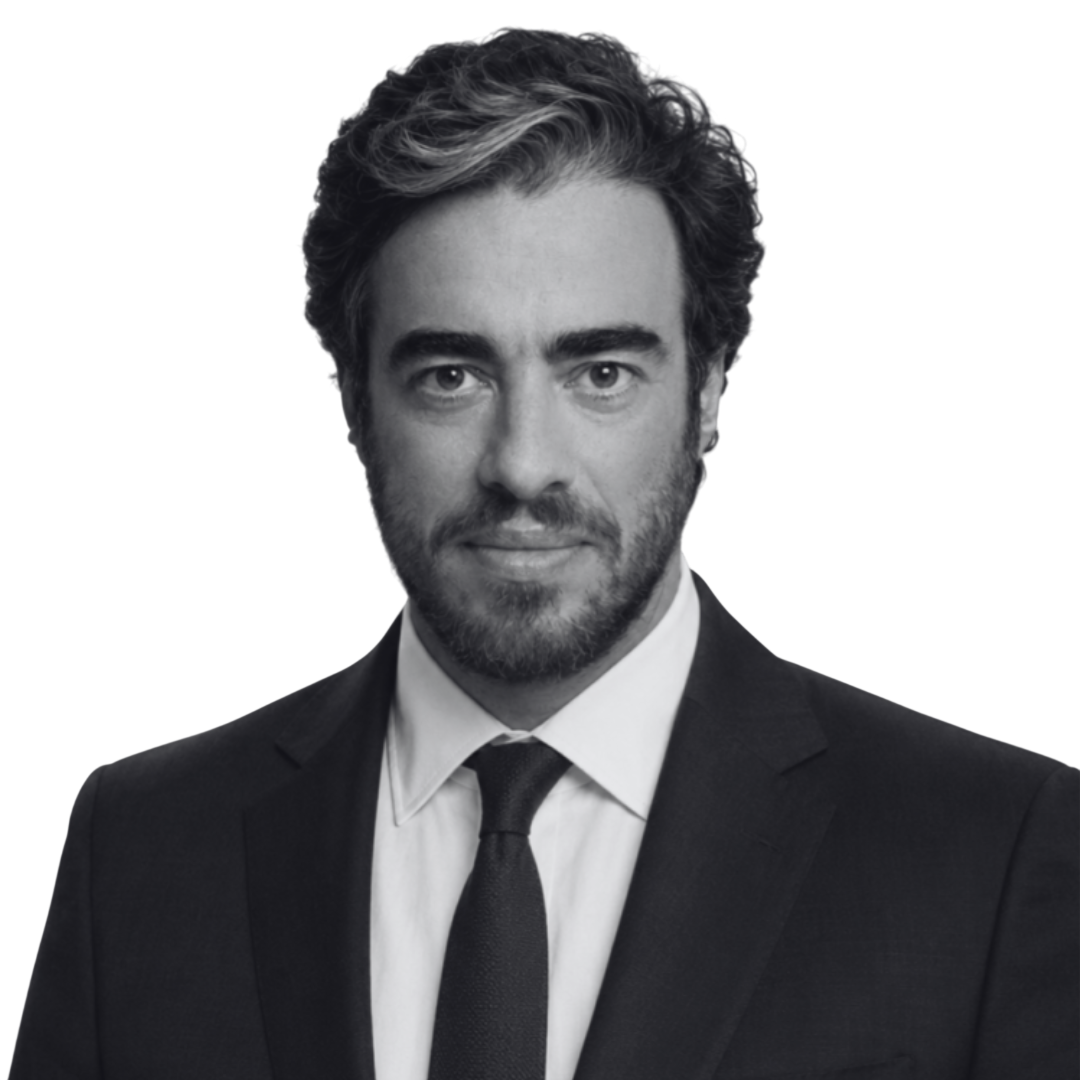
Mário Amorim Lopes
Member of the Portuguese Parliament
Mário Amorim Lopes is a member of the Assembly of the Republic. He is also a university professor and researcher and has a long academic career, with a master’s degree in Computer Engineering, another in Economics, and a Ph.D. in Health Management, Economics, and Policy. Throughout his career, he has worked with various organizations in the health sector, including public hospitals and professional associations, contributing to the improvement of policies and practices in this field.
For over a decade, he has been writing about liberalism in various media outlets, advocating for ideas of freedom, responsibility, and prosperity.
Sessions in which participates
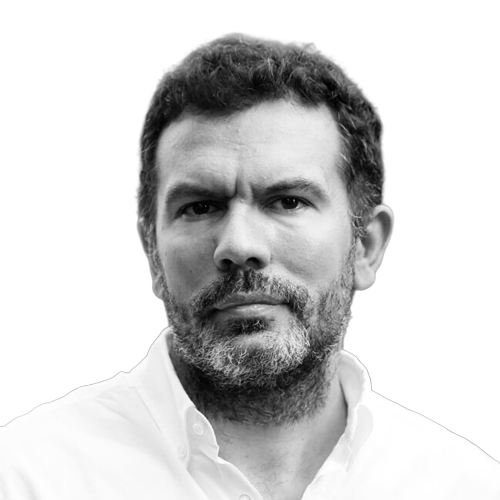
Bernardo Gomes
President of the National Association of Public Health Physicians.
Bernardo Gomes is a public health physician, currently President of the National Association of Public Health Physicians (since 2025) and a Senior Resident at the Entre Douro e Vouga Local
Health Unit, a Visiting Professor at the University of Aveiro School of Medicine, and an Associate Editor at *Acta Médica Portuguesa*. His career combines institutional leadership, scientific
research, and involvement in health policy, with a focus on epidemiology, vaccination, and the improvement of health systems in Portugal.
Sessions in which participates
Postcode and Longevity
Parallel Session 17
Where we live may be one of the strongest predictors of how long—and how well—we live. This session explores the critical intersection of geography, the social environment, and longevity, highlighting how a postcode can be as influential as biology.
Health outcomes are not distributed equally across cities or populations. Factors such as urban design, access to healthcare, education, income, and environmental exposures create significant disparities in longevity. Why do some neighborhoods foster long, healthy lives while others systematically limit them? How do place-based inequalities intersect with gender inequalities to shape distinct health trajectories throughout life? What role do cities, governments, healthcare systems, and communities play in transforming the environments we live in so that they promote healthy aging rather than act as barriers? And how can we ensure that longevity is not a privilege determined by geography, but a shared achievement of society?
Join us for an engaging, forward-looking discussion on how we can redesign our environments—and our systems—to support longer, healthier lives.
Pedro Gouveia
Surgeon and Researcher at the Champalimaud Foundation
Pedro Gouveia is a certified breast surgeon, researcher in extended reality for the medical field, and futurist at the Breast Unit of the Champalimaud Foundation.
He is Principal Investigator of the Digital Surgery Laboratory at the Champalimaud Foundation.
He is also an Invited Assistant Professor and coordinator of the optional course Practical Introduction to Artificial Intelligence in Medicine at the Faculty of Medicine of the University of Lisbon.
He is a member of the Education and Training Committee — Breast Working Group — of the European Society of Surgical Oncology.
Sessions in which participates
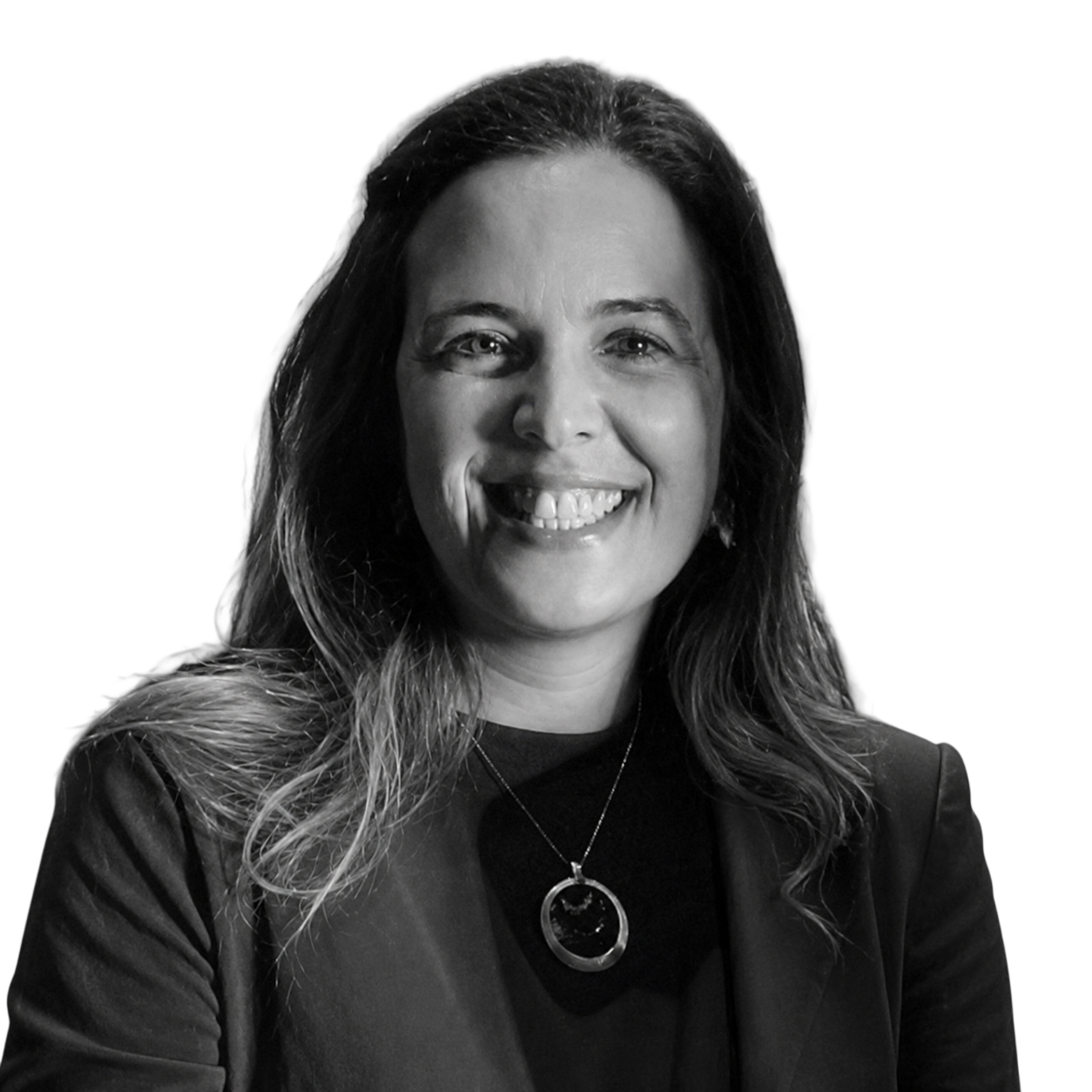
Sandra Guedes
Digitalization Manager on Linde Saúde
Sandra Silva Guedes is the Digitalization Manager at Linde Saúde, with over 15 years of experience in the healthcare sector, focusing on digital transformation, telemonitoring, and innovation in home care. Throughout her career, she has led strategic digital health projects, including the development and implementation of telemedicine and telerehabilitation solutions, the automation of clinical processes, and the use of artificial intelligence in therapeutic protocols, working closely with clinical and technology teams as well as external stakeholders. With a strong scientific background in Pharmaceutical Sciences (PhD) and solid experience in project management and leading clinical teams, she has played a central role in the evolution of Linde’s homecare services, both nationally and across Europe, contributing to improvements in operational efficiency, quality of care, and the patient experience. She is currently furthering her career with advanced training in digital transformation management in healthcare.
Sessions in which participates
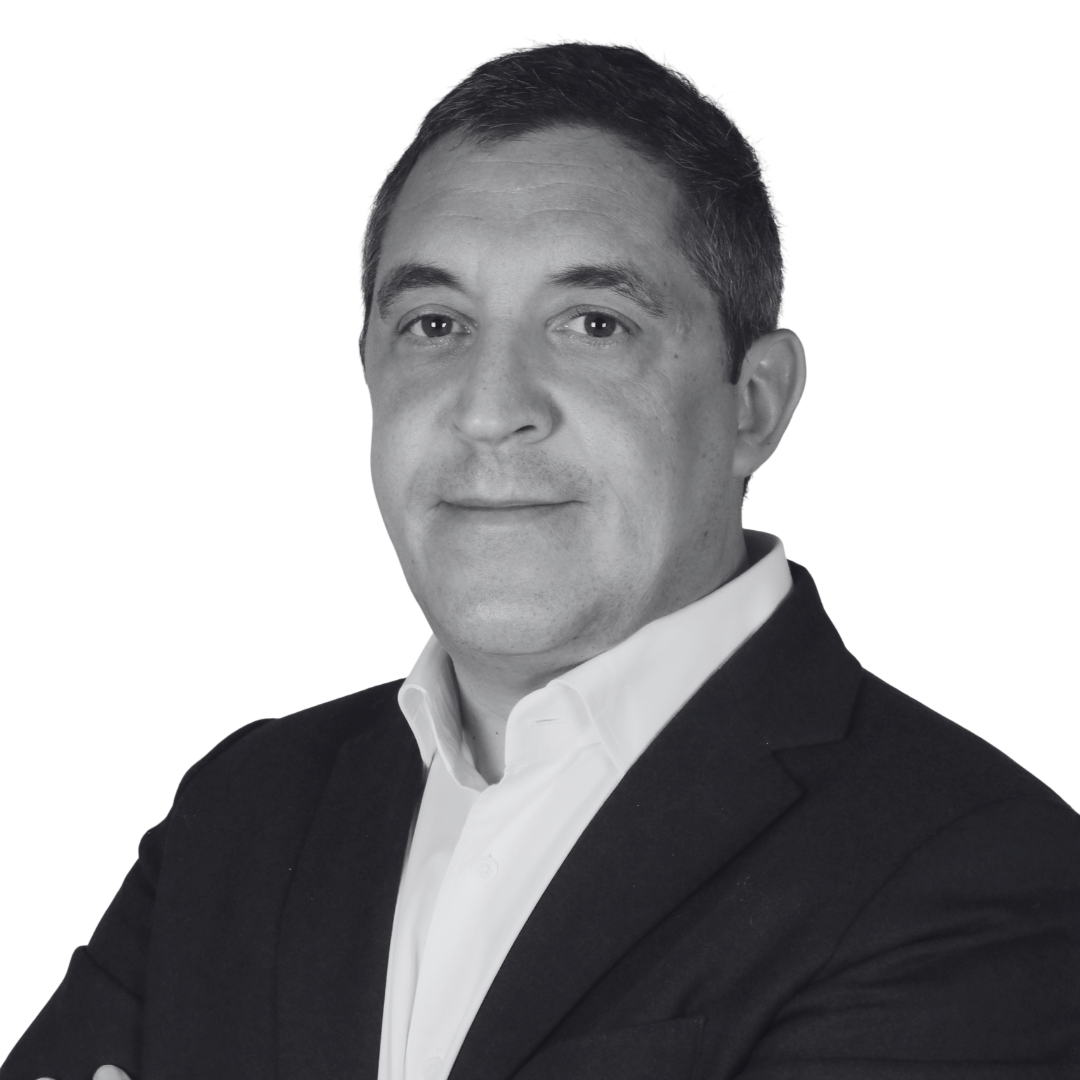
Jordi de la Osa
Global Director Strategy & Business development Healthcare Solutions, IQVIA
Jordi de la Osa is an expert in digital transformation, with nearly 20 years of experience contributing to strategic initiatives that drive improvements in health outcomes, equity, and the experience of both patients and healthcare professionals, right at the intersection of technology and healthcare.
He specializes in clinical and management decision support, and patient safety. He works at IQVIA, a global leader in advancing innovation across all levels of healthcare by combining specialized technologies, artificial intelligence, and predictive analytics for the management of healthcare data and systems.
A strong believer in and advocate for the use of technology to alleviate the operationaland efficiency demand and quality pressures currently faced by healthcare systems. Throughout his career, developed within leading organizations in the sector, he has gained extensive expertise in both public and private healthcare management, while driving and supporting complex healthcare transformation programs at an international level.
“Together, we can connect science, technology, data, and the needs of patients and healthcare professionals to achieve better outcomes faster, operating at the speed that modern healthcare demands.”
Sessions in which participates
AI, Assistive Robotics, and Care Automation
Parallel Session 18
Assistive robotics and automation are transforming healthcare delivery by supporting professionals and promoting greater patient independence. This session explores applications in both clinical and home settings, ranging from mobility assistance to repetitive tasks, while examining improvements in efficiency, quality, and safety, as well as the ethical, adoption, and integration challenges associated with healthcare systems.
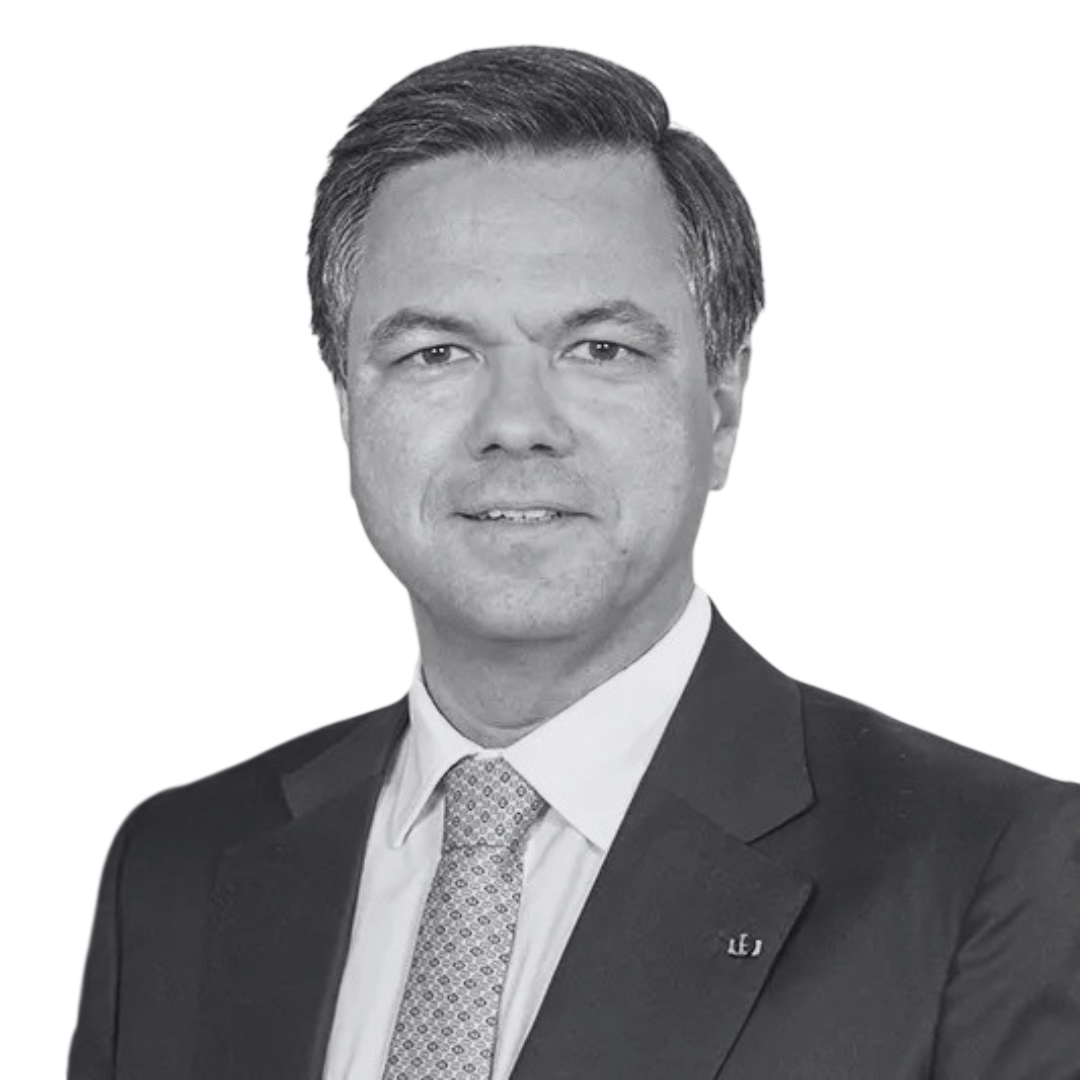
Gonçalo Matias
Minister in the Cabinet of the Prime Minister and for State Reform
Ph.D. in Law.
Chairman of the Board of Directors and the Executive Committee of the Francisco Manuel dos Santos Foundation since 2022 and Associate Professor at the School of Law of the Portuguese Catholic University.
Between 2008 and 2014, he served as advisor on Legal and Constitutional Affairs to the Office of the President of the Republic and has been a consultant to that same office since 2014.
He was Director of the Migration Observatory.
Deputy Secretary of State for Administrative Modernization in the 20th Constitutional Government.
He was a member of the National Council for Migration and Asylum and of the Management Board of the European Union Agency for Fundamental Rights.
Sessions in which participates
Gonçalo Regalado
President of Banco de Fomento
Gonçalo Regalado has been an Executive Director of Banco Português de Fomento (BPF) and a member of its Board of Directors since January 2025.
From 2017 to 2024, Gonçalo Regalado served as Director of Corporate, Business, and Institutional Marketing at Millennium BCP. Between 2015 and 2017, he led the European Funds and Economic Sectors division at the same bank, where he also served as a Senior Consultant from 2009 to 2012.
In the public sector, he served as Chief of Staff at the Ministry of Internal Administration (2012–2014), coordinating strategic projects and public policies. He led the European Commission’s Erasmus+ Youth in Action Program (2012–2013), promoting mobility, exchanges, and European volunteer projects.
He began his career in 2006 at Portugal Telecom Inovação, where he was responsible for financial analysis and the strategic development of the Group’s Innovation Plan.
He holds a bachelor’s degree in Business Administration from the University of Coimbra, a postgraduate degree in Innovation and Entrepreneurship from the Portuguese Catholic University, and a master’s degree in Finance and Investments from the Rotterdam School of Management. He also attended the Advanced Business Management Program (PADE) at AESE Business School.
Sessions in which participates
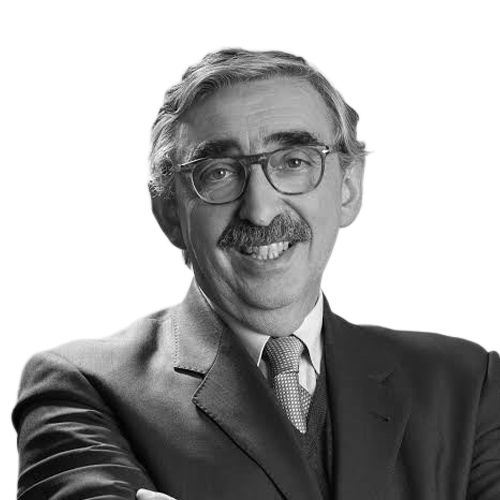
José Fragata
Emeritus Full Professor at NOVA Medical School, President of the National Council of Academic Clinical Centres
José Fragata, Retired Full Professor at NOVA Medical School, President of the National Council of Clinical Academic Centers
Professor José Fragata received his medical education in Portugal and the United Kingdom. He earned his Doctor of Medicine degree in 1991 and his qualification in surgery in 1993 from Universidade Nova de Lisboa. He is a retired full professor of surgery at NOVA Medical School, having served on the General Council and chaired the Ethics Council at NOVA University, where he served for five years as Vice Rector for Health.
He retired from public service after 50 years at the University and 46 years in the National Health Service.
He coordinates the graduate program in Health Management at INDEG-ISCTE at IUL, having been the founder and chair of the Academic Council of AHED (the Graduate School of Health at NOVA University). A full member of the Academy of Medicine and a corresponding member of the Academy of Sciences, he is a cardiothoracic surgeon with extensive experience in cardiac surgery for both adults and children, as well as in thoracic transplantation, and has had a long national and international career in this specialty, alongside a highly diverse academic career.
He has been awarded the Gold Medal for Distinguished Service by the Ministry of Health and the Portuguese Medical Association. He currently serves as president of the National Council of Academic Clinical Centers.
Sessions in which participates
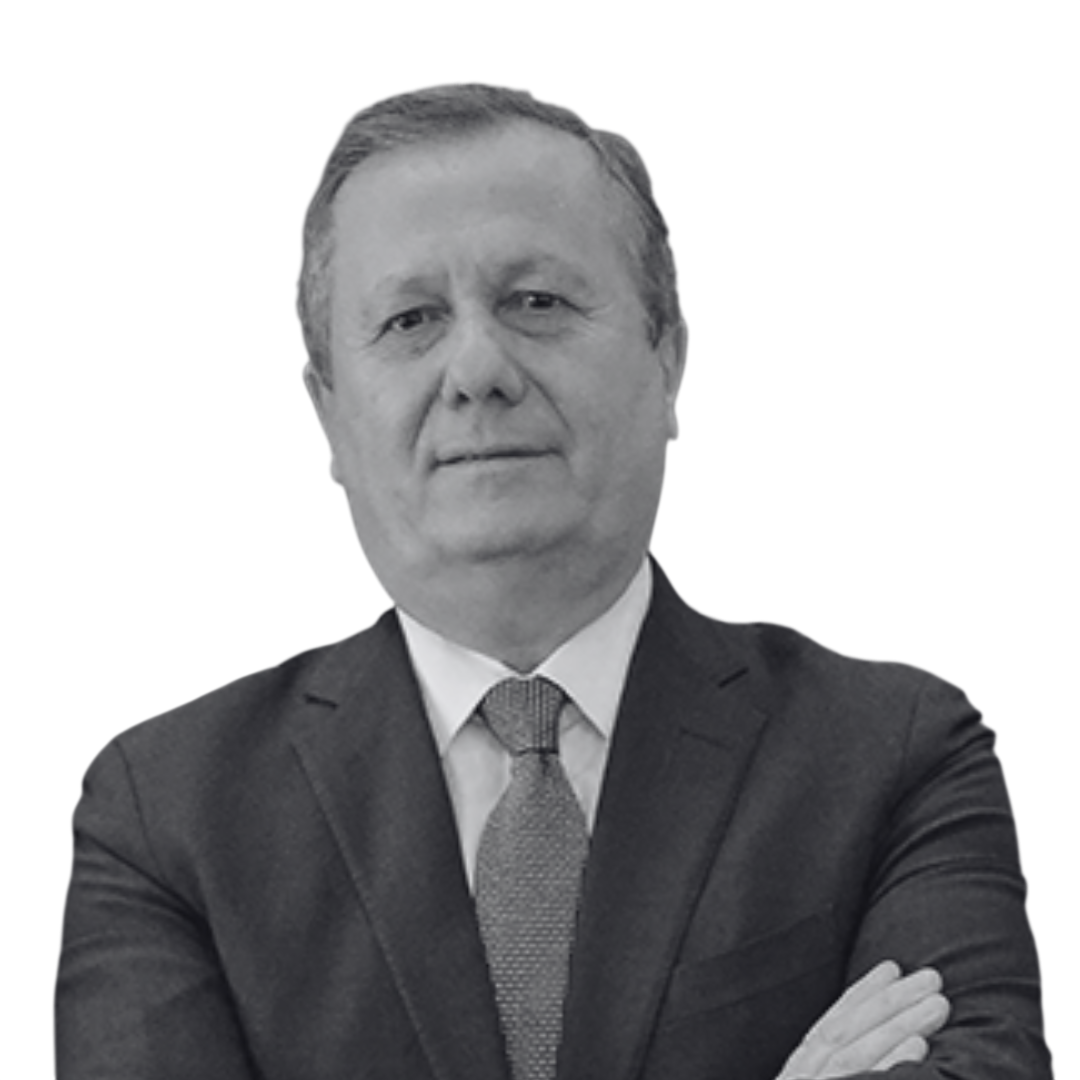
Rui Santos Ivo
President of INFARMED
Rui Santos Ivo has been Chairman of the Board of Directors of INFARMED—the National Authority for Medicines and Health Products, I.P.—since 2019, and a Visiting Associate Professor in the Department of Drug Regulation at the Faculty of Pharmacy of the University of Lisbon (FFUL) since 2009.
At the European level, he has served as Chair of the Management Board of the European Medicines Agency (EMA) since March 2025. Between 2021 and 2025, he served as Chair of the Group of Heads of Health Technology Assessment Agencies (HAG).
Sessions in which participates
CEO Forum
Parallel Session 19 - Participation by invitation only
The CEO Forum promotes collaboration, innovation, and strategic leadership to address the challenges facing healthcare systems. Executives explore opportunities for cooperation, digital transformation, and policy improvement. By sharing insights on human capital, technology integration, and sustainable healthcare models, leaders drive meaningful change. The forum strengthens global partnerships, ensuring resilient, patient-centered healthcare systems that can adapt to emerging health challenges.
Cristina Vaz de Almeida
President of the Portuguese Society of Health Literacy (SPLS)
PhD in Communication Sciences – Health Literacy, President of the Portuguese Society for Health Literacy (SPLS), Director of the Postgraduate Programme in Health Literacy at ISPA, Chief Editor of the Journal of Medical Research (JIM), researcher at ISCSP – CAPP, BUMPER Advisory Board Member, member of NCH – National Cancer Hub Portugal, and author of numerous books, book chapters and articles in the fields of health literacy, health communication and behaviour change.
Sessions in which participates

Ricardo Fernandes
Deputy Director-General at GAT
Ricardo Fernandes is an activist and currently serves as Deputy Director-General at GAT, an organization that supports communities vulnerable to HIV, viral hepatitis, tuberculosis, and other STIs through peer-led sexual health and harm reduction services, as well as through national and international advocacy. He has been working in this field since 2000 and has extensive experience in project coordination, organizational management, and leadership. Ricardo is a member and former President of the European AIDS Treatment Group (EATG) and a co-author of studies on stigma, late diagnosis, and health literacy.
Sessions in which participates
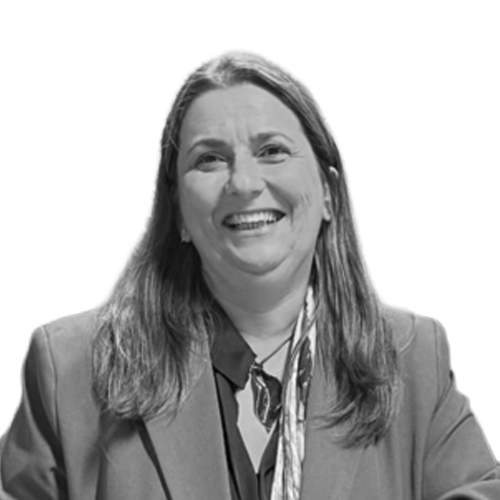
Iris Almeida
Psychologist specialty in Clinical and Health Psychology
Psychologist Specialty in Clinical and Health Psychology, Advanced Specialty in Justice Psychology, and Community Psychology. Specialist in Gender Equality; Violence against Women and Domestic Violence; Human Trafficking; and Female Genital Mutilation – Commission for Citizenship and Gender Equality (CIG), Portugal. Ph.D. in Psychology in the field of femicide risk assessment. Associate Professor and Coordinator of Master in Forensic and Criminal Psychology at Egas Moniz School of Health & Science. Director of Forensic Psychology Office (GPF) [Laboratory of Forensic and Psychological Sciences Egas Moniz]. Coordinator and Scientific Supervisor at the Victims Information and Assistance Office (GIAV), located at Lisbon Public Prosecutor’s Office and in the Technical Advisory Office (GAT) integrated into the West Lisbon Public Prosecutor’s Office. Head of the Forensic and Criminal Psychology Research Laboratory at CiiEM (Egas Moniz Center for Interdisciplinary Research). Member of the Regional Assembly of Representatives – Ordem dos Psicólogos Portugueses (Portuguese Psychologists Association). Member of the Portuguese Society for Health Literacy.
Sessions in which participates
José Camolas
Clinical Nutrition Specialist
José Camolas is a registered nutritionist (Professional Licence No. 0068N) and a specialist in Clinical Nutrition accredited by the Portuguese Order of Nutritionists. He holds a Master’s degree in Clinical Nutrition and a PhD in Metabolic Diseases and Eating Behaviour.
He currently practises at the Santa Maria Local Health Unit and the Social Services Department of Lisbon City Council. He also collaborates with several academic institutions, including as an Invited Assistant Professor at the Faculty of Medicine of the University of Lisbon and at the Egas Moniz School of Health and Science.
He has participated in several funded research projects, has published a range of scientific papers, and regularly takes part in national and international scientific events.
Sessions in which participates
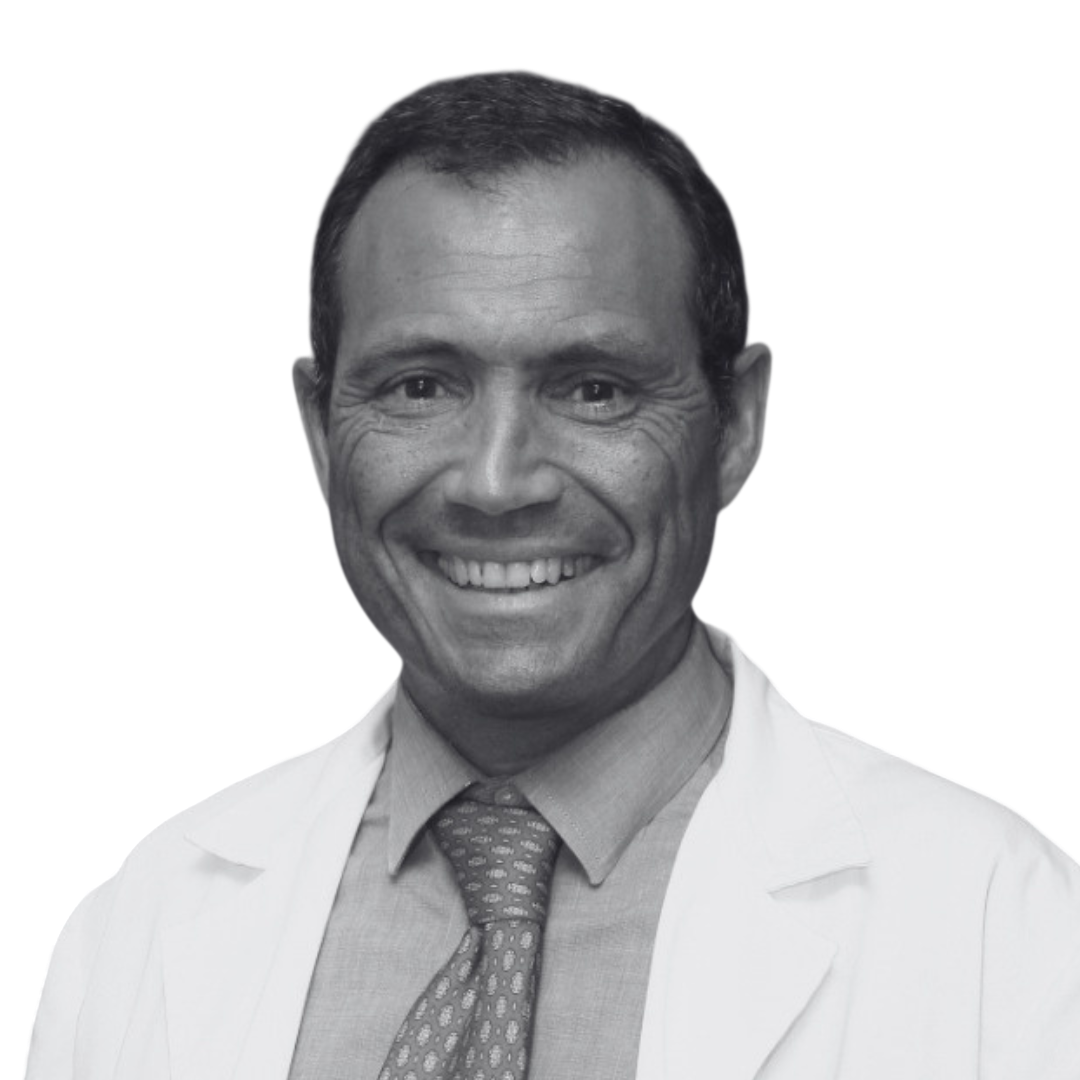
José Luís Themudo Barata
Specialist in Internal Medicine and Sports Medicine
Physician with a Master’s degree and PhD in Medicine, specialising in Internal Medicine and Sports Medicine. He is a consultant with expertise in Cardiovascular and Metabolic Medicine, weight management, and the relationship between exercise and health. He is a retired Associate Professor with habilitation from the Faculty of Health Sciences at the University of Beira Interior.
Sessions in which participates
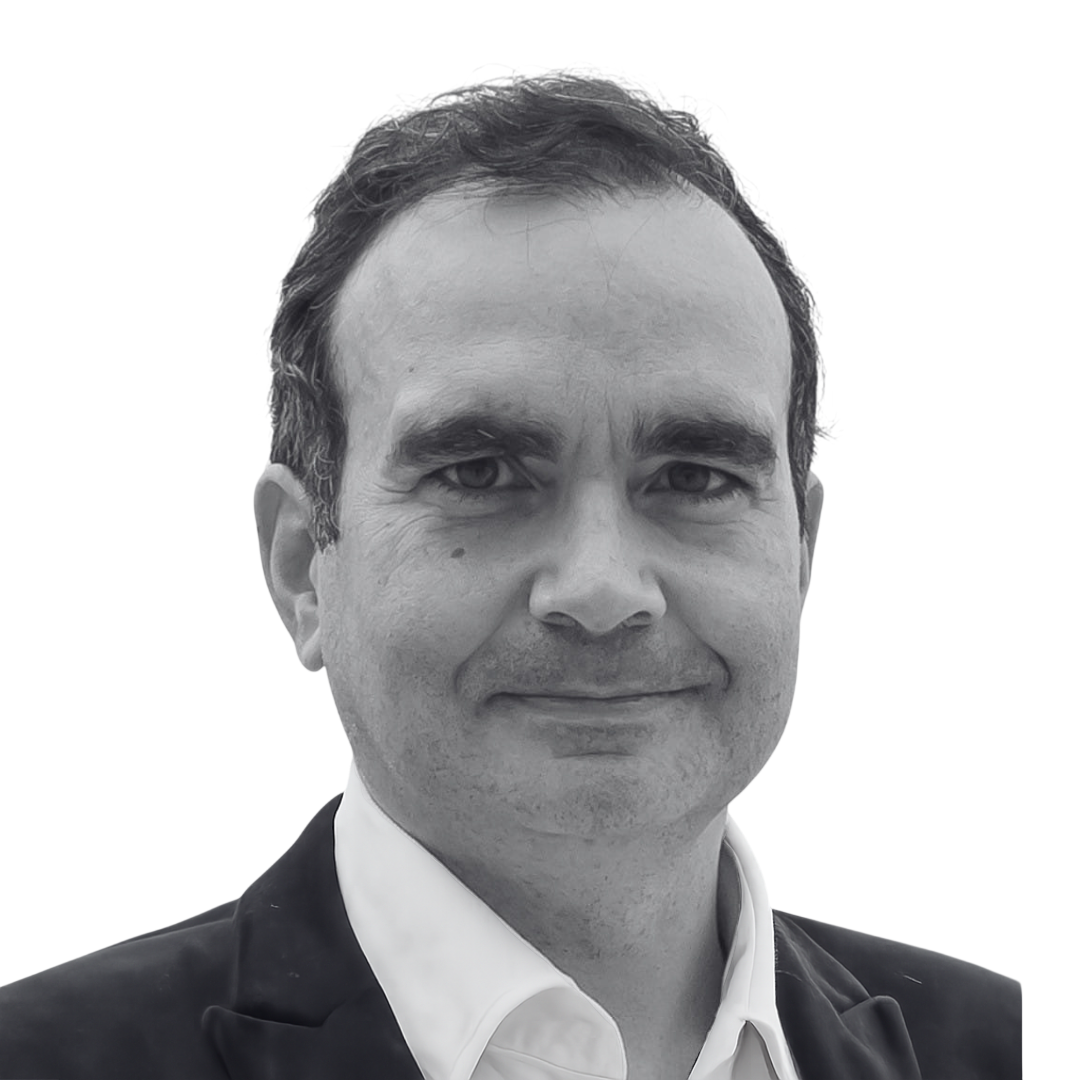
Luís Jacob
Presidente-fundador da RUTIS
Bachelor’s degree in Social Education, master’s degree in Human Resources, and Ph.D. in Educational Sciences. Founding President of RUTIS (Network of Senior Universities), President of RIPE55+ (Global Network of Educational Projects for People Over 50), researcher, adjunct professor in higher education, and social entrepreneur. Member of the Economic and Social Council. Manager of Socialgest, a social consulting firm.
Sessions in which participates
Health Literacy for Healthy Longevity
Parallel Session 20
Lifelong learning is essential to fostering adaptability, autonomy, and active participation in a constantly evolving society. This session explores continuous learning models that strengthen skills, employability, and inclusion, contributing to individual well-being and to more resilient societies that are better prepared for longevity.
José Bento
Chairman of the Board of Directors of Cascais Hospital
Economist with postgraduate training at Stanford, with more than 25 years of experience in the healthcare sector, consulting and auditing, and leadership positions in several healthcare groups.
He is currently Chairman of the Board of Directors of Hospital de Cascais and CEO of the Ribera Portugal group.
Sessions in which participates
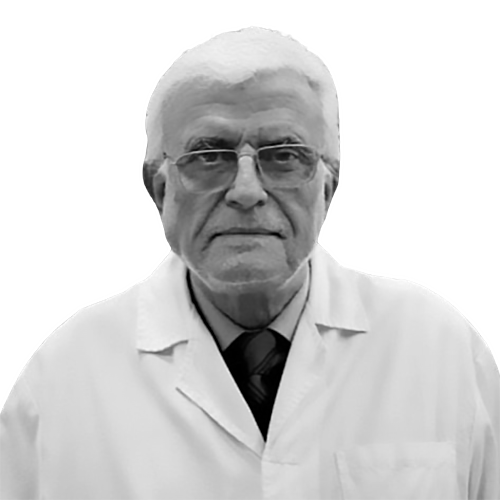
Germano de Sousa
Clinical Pathologist, Founder and Board Member of CMLGS
Clinical Pathologist certified by the Portuguese Medical Association. He holds recognised competence in Management from the same Association and is a European Clinical Chemist certified by the European Federation of Clinical Chemistry and Laboratory Medicine.
He is a former Director of the Clinical Pathology Department at Hospital do Desterro, Hospital dos Capuchos and Hospital Fernando Fonseca. He was Associate Professor of Medical Biochemistry at NOVA Medical School from 1989 to 2007. During this period, he chaired the Master’s Degree in Chemical Pathology and directed its Postgraduate Education Office.
He is a former President of several scientific societies, including the Portuguese Society of Clinical Pathology and the Portuguese Society of Osteoporosis and Metabolic Diseases. In 2005, he was accepted as a Member of the New York Academy of Sciences.
He served as President of the Portuguese Medical Association for two three-year terms, from 1999 to 2001 and from 2002 to 2004. He was also a member of the National Council of Ethics for the Life Sciences for two terms, from 1999 to 2005 and from 2009 to 2015.
He was awarded the Gold Medal for Distinguished Services by the Ministry of Health. He has delivered numerous lectures, communications and posters at national and international scientific meetings, and has published scientific articles in Portuguese and international journals on topics including medicine in general, clinical pathology in particular, the history of medicine, ethics, deontology, medical law, health policy and health management.
Sessions in which participates

Fabiana Almeida
CEO Techbalance
Sessions in which participates
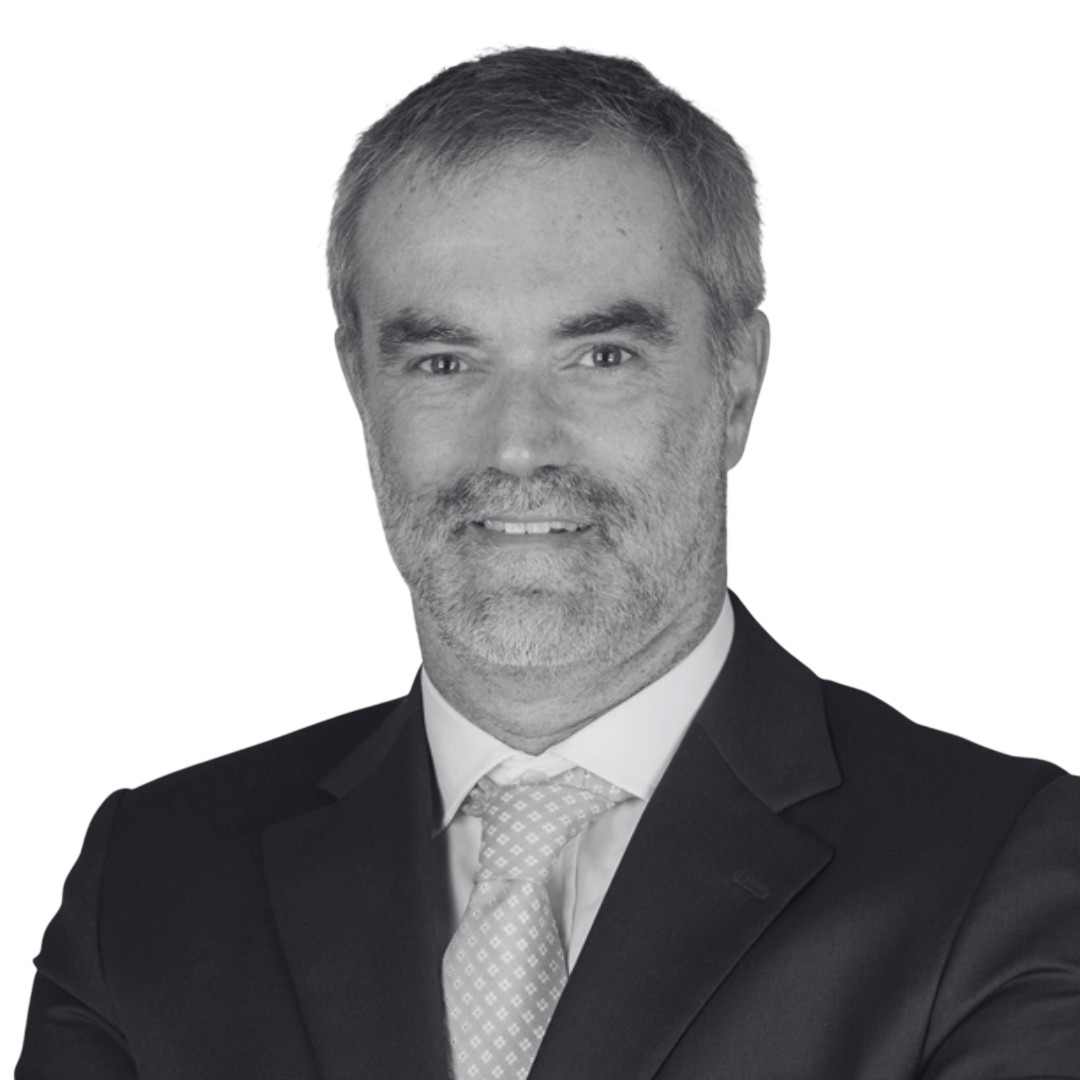
Paulo Pinheiro
Integra a VdA desde 1998. Sócio das áreas de Direito Público e de Saúde.
He has worked on various transactions and projects, particularly in the healthcare, telecommunications, energy and natural gas, transportation, and water and waste sectors, and has also advised on regulatory matters and public procurement procedures in these sectors, as well as on the formation of public-private partnerships.
Sessions in which participates
Bruno Pina
CEO of European Longevity Hub
Bruno Pina is CEO of Synapse, an international consulting company specialising in innovation and strategy in the healthcare sector.
He is also co-founder and Global Executive Director of the European Longevity Hub, an initiative based in Portugal that brings together researchers, entrepreneurs and investors with a common goal: to make well-being and longevity accessible to everyone, anywhere in the world.
With more than 20 years of experience in transformation, technology and innovation projects on a global scale, Bruno Pina has held executive roles in companies such as AstraZeneca, McKinsey & Company and IBM, leading transformation projects across several regions, including Latin America, North America, Europe and Asia.
In parallel, he works as an angel investor, mentor and strategic advisor, supporting healthcare companies and startups in their sustainable growth. He is also a guest lecturer in master’s programmes and has been a speaker for more than a decade, regularly taking part in international conferences and events.
Sessions in which participates
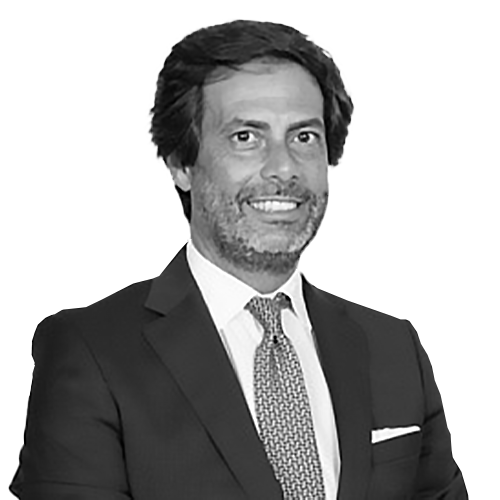
Pedro Morais Soares
Councillor of Cascais Municipal Council
He holds degrees in International Relations and Law, both completed at Universidade Lusíada de Lisboa.
His political career includes extensive experience in local and central government, having served as a Member of the Portuguese Parliament for the CDS-PP Parliamentary Group in different legislatures and as a member of the governing boards of the National Association of Municipalities and the National Association of Parishes.
He is also recognised for his long-standing leadership in local administration as President of the Parish Council of Cascais and, later, of the Union of Parishes of Cascais and Estoril, alongside a long-standing connection to local and sports associations in the region.
In the current Cascais municipal executive, he holds political responsibility for the areas of International Relations, Social Development and Social Innovation, Health Promotion, Education, Youth and Employment.
He also represents the municipality in several external partner organisations, such as the Social Network, the Cascais Commission for the Protection of Children and Young People, and the Western Lisbon Local Health Unit.
Sessions in which participates
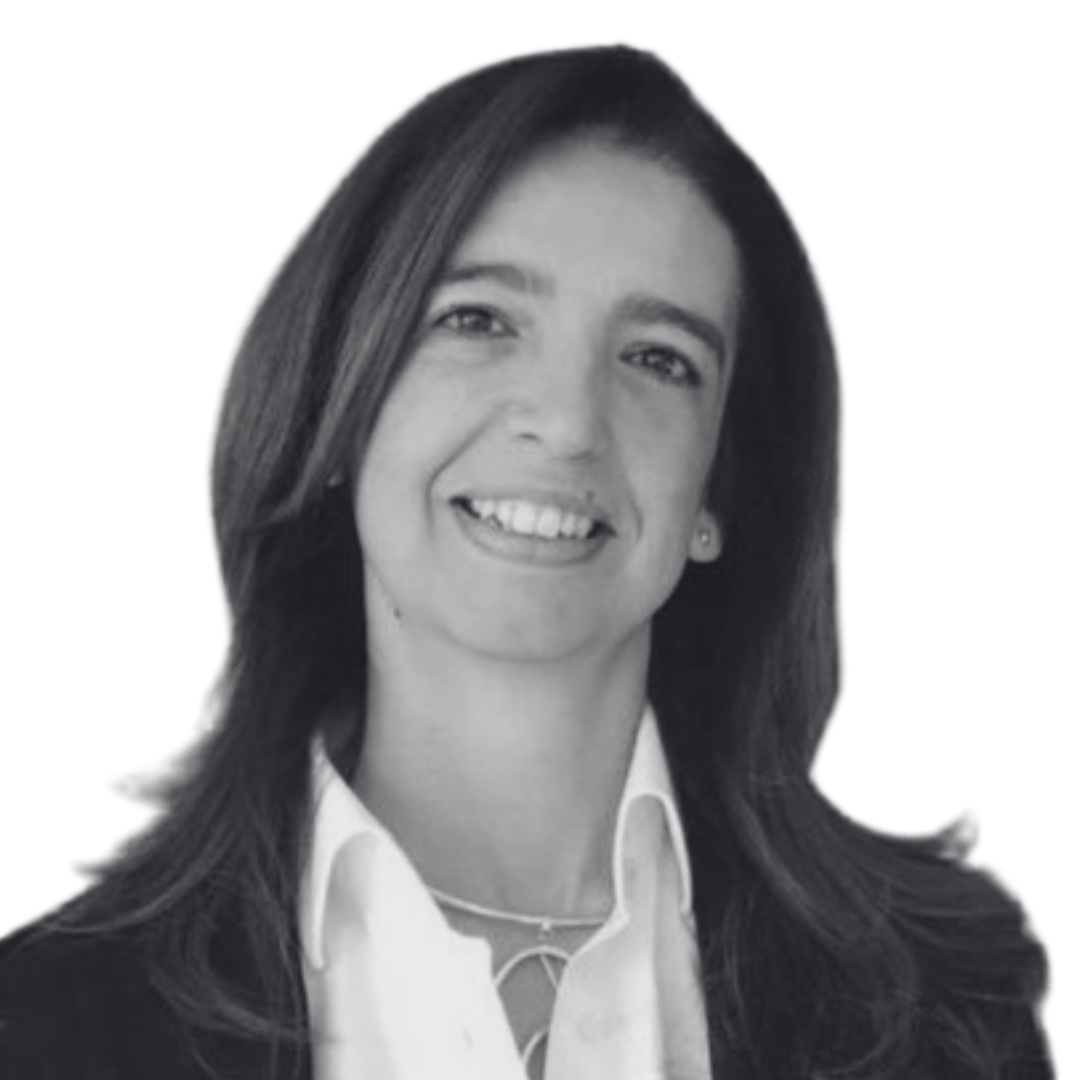
Ana Marques da Silva
Healthcare Area Manager
She holds a degree in management from ISEG and a specialization in health policies, strategies, and health organizations from the National School of Public Health, which has greatly contributed to her dialogue with policymakers and healthcare professionals. She holds a certification in Lean in Healthcare from Villanova University in the United States. Her extensive, well-established, and multidisciplinary professional experience has enabled her to develop a holistic view of the sector, whether at the level of companies, regulatory bodies, healthcare providers, or payers. She currently works as a healthcare consultant with a particular focus on continuous improvement and real-time quality.
Sessions in which participates
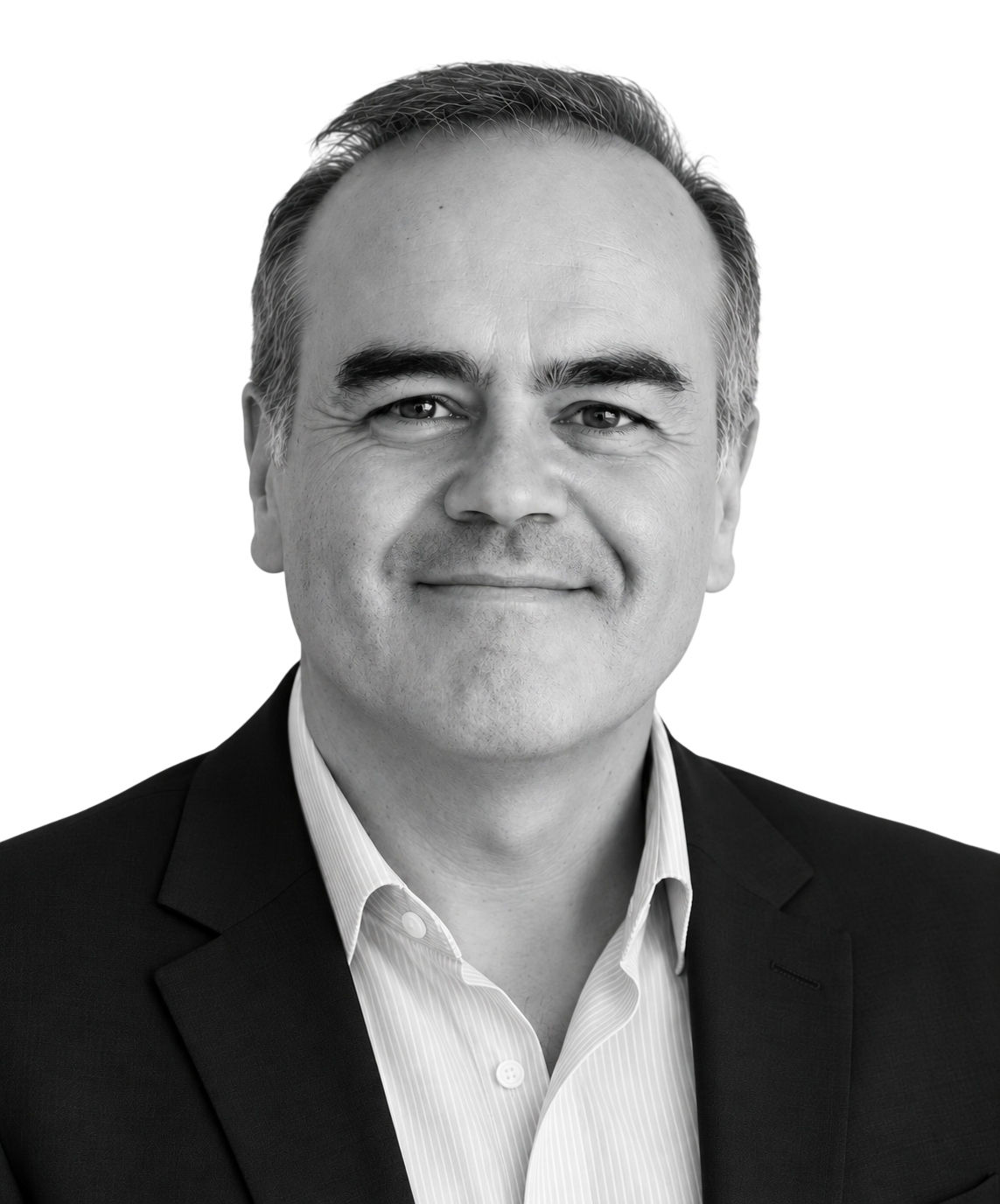
John Preto
Presidente da Sociedade Portuguesa de Cirurgia da Obesidade e Metabólica
Upper GI and Bariatric Surgeon CRI de Obesidade – ULS São João Porto
Coordinator of the General Surgery Dep. – Hospital CUF Porto
President of the Portuguese Society of Obesity and Metabolic Surgery
Sessions in which participates
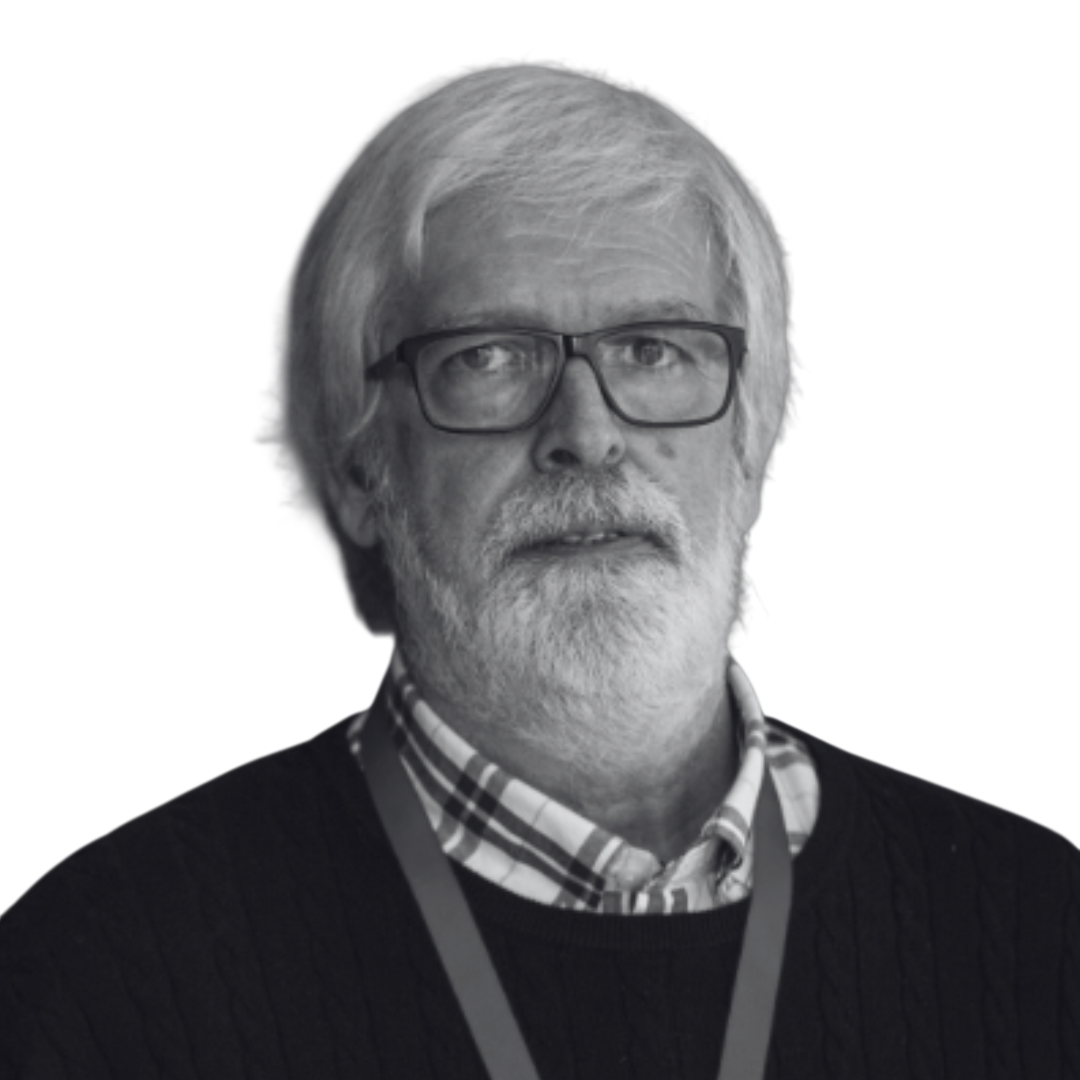
Carlos Oliveira
President of ADEXO
Carlos Oliveira is the current President of ADEXO (Association of Obese and Formerly Obese Patients of Portugal) and one of the most active advocates for the rights of patients with obesity.
A former merchant marine captain by training, his own journey to overcoming Class III obesity motivated him to dedicate his life to raising public awareness about this condition. His work extends to the international level, where he serves on the board of the European Coalition of People Living with Obesity (ECPO).
In Portugal, he is known for his regular participation in parliamentary committees, public debates, and academic conferences. His work focuses on combating social stigma, promoting equal opportunities, and advocating for better multidisciplinary care and treatment within the National Health Service.
Sessions in which participates

Liliana Sousa
President of the Portuguese Association of Nutritionists
President of the Portuguese Association of Nutritionists, a position she assumed on November 1, 2023, with a commitment to promoting the professional career and strengthening the role of
nutrition in public health.
With a long career in the National Health Service, she has worked as a nutritionist at the Matosinhos Local Health Unit (Pedro Hispano Hospital) since 1999, where she serves as a Senior Assistant and Specialist in Clinical Nutrition, working on the Intensive Care and Artificial Nutrition teams. She holds a bachelor’s degree in Nutritional Sciences from the Faculty of Nutrition and Food Sciences at the University of Porto (FCNAUP) and a master’s degree in Health Services Administration from the Faculty of Economics at the same institution (FEP), and has also gained experience in teaching.
Sessions in which participates

Marisa Oliveira
Presidente da APOBARI
She is a social worker, founder, and current president of APOBARI (Portuguese Association of Bariatric Patients), founded in 2015. Her dedication to the cause of obesity and bariatric treatment stems from her own story of overcoming adversity. After gaining a substantial amount of weight during pregnancy—which caused her to reach 140 kg—Marisa faced serious health problems, including hypertension, spinal issues, and severe depression. Following an unsuccessful first attempt with a gastric band, she underwent a gastric bypass in 2014 with complete success, losing 70 kg and regaining her quality of life.
Motivated by the lack of information and support for bariatric patients in Portugal, she turned her personal experience and her training in social work into a public service mission. As head of APOBARI, she leads initiatives providing emotional support, education, and follow-up care for patients in both the public and private sectors. Her work extends to awareness-raising efforts at various national institutions and the promotion of fundamental rights for the bariatric community; today, she is one of the most active and respected voices in raising awareness and combating the stigma of obesity in the country.
Sessions in which participates
Sónia Dias
Director of the National School of Public Health at NOVA University Lisbon
Full Professor, PhD and Habilitated in International Health by NOVA University Lisbon, and graduate in Psychology from the University of Lisbon. She is Coordinator of the Public Health Research Centre.
Previously, she was Coordinator of the PhD Programme in International Health at IHMT/NOVA University Lisbon, Director of the International Public Health Unit and Coordinator of the thematic line “Health Challenges of Travellers and Migrants” at the Global Health and Tropical Medicine research centre/NOVA University Lisbon.
She works as a consultant for several international organisations, including the European Centre for Disease Prevention and Control, the World Health Organization and the International Organization for Migration, among others.
Her academic work focuses on topics related to community health, the health of vulnerable populations, including migrant populations, health promotion, disease prevention, sexual health, and access to and use of health services.
Sessions in which participates
Paulo Santos
Professor of General and Family Medicine at the Faculty of Medicine of the University of Porto
He graduated in Medicine from the Faculty of Medicine of the University of Porto in 1995 and obtained a PhD in Clinical and Health Services Research from the Faculty of Medicine of the University of Porto in 2014.
He has been a specialist in General and Family Medicine since 2002, having worked at Arcozelo Health Centre, Oliveira do Douro Health Centre, São João Health Centre and the São João Family Health Unit in Porto. He has held competence in Geriatrics since 2015.
He has been a training supervisor for the Complementary Internship in General and Family Medicine since 2008. He was Clinical Director of R12 – Centre for Recovery from Addiction Disorders from 1998 to 2004.
He has practised private medicine at his office in Vila Nova de Gaia since 2000. Since 2014, he has been an Assistant Professor in the curricular units of the Department of Social Sciences and Health at the Faculty of Medicine of the University of Porto, where he teaches Preventive Medicine, General and Family Medicine, and Community Medicine.
He is a member of the Portuguese Medical Association, the Portuguese Association of General and Family Medicine, and the National Association of Teachers and Supervisors of General and Family Medicine.
He was an appointed member of the Health Ethics Committee of ARS Norte for the 2012–2014 term and was reappointed for the 2015–2017 term.
He is the author and co-author of more than 35 articles published in national and international journals, and a reviewer for national and international medical journals.
He is also the author and co-author of more than 50 presentations at national and international congresses and conferences, and has been a trainer in eight postgraduate courses in the field of Primary Healthcare.
Sessions in which participates

Bruno Almeida
Bruno Almeida is a physician specializing in Internal Medicine, with a practice focused on weight management, diabetes, cardiometabolic health, and longevity medicine.
He coordinates the Multidisciplinary Obesity Centers at Hospital da Luz Torres de Lisboa and Hospital da Luz Setúbal, as well as the Diabetes Center at Hospital da Luz Torres de Lisboa. In his clinical practice, he develops a model of precision metabolic medicine focused on long-term weight management, the preservation of muscle mass, and the extension of healthy life years, integrating metabolic phenotyping, advanced body composition assessment, and continuous monitoring of biomarkers.
He is distinguished by his early adoption of technology applied to diabetes, notably continuous glucose monitoring and hybrid closed-loop insulin delivery systems, as well as by the integration of body composition data and remote monitoring into clinical decision-making. He has participated, as a principal investigator and co-investigator, in several Phase III clinical trials of new molecules in the areas of obesity, metabolic dysfunction-associated steatohepatitis (MASH), and cardiovascular risk. His prior experience in the pharmaceutical industry, as Medical Lead for Diabetes at Lilly Portugal, provides him with a comprehensive view of the entire therapeutic innovation cycle, from clinical development to access and clinical practice—a perspective he maintains today through his participation on pharmaceutical industry advisory boards in the areas of diabetes, obesity, and vaccination.
He was one of the expert authors of the General Directorate of Health’s Integrated Obesity Care Pathway, a national reference document for the organization of obesity care in Portugal.
He holds a master’s degree in Clinical Nutrition, has postgraduate training in Obesity Medicine from Harvard Medical School, and has postgraduate degrees in Health Management and Medical Law. He is a professor of Medical Ethics and Medical Law in the Integrated Master’s Program in Medicine at the University of Beira Interior and was a professor of Physiology at the Faculty of Medicine of the University of Coimbra. She was part of the faculty team responsible for launching the medical program at the University of Cape Verde and has served as an invited international lecturer at Eduardo Mondlane University in Mozambique, Agostinho Neto University in Angola, and the University of Namibia in Windhoek.
Sessions in which participates
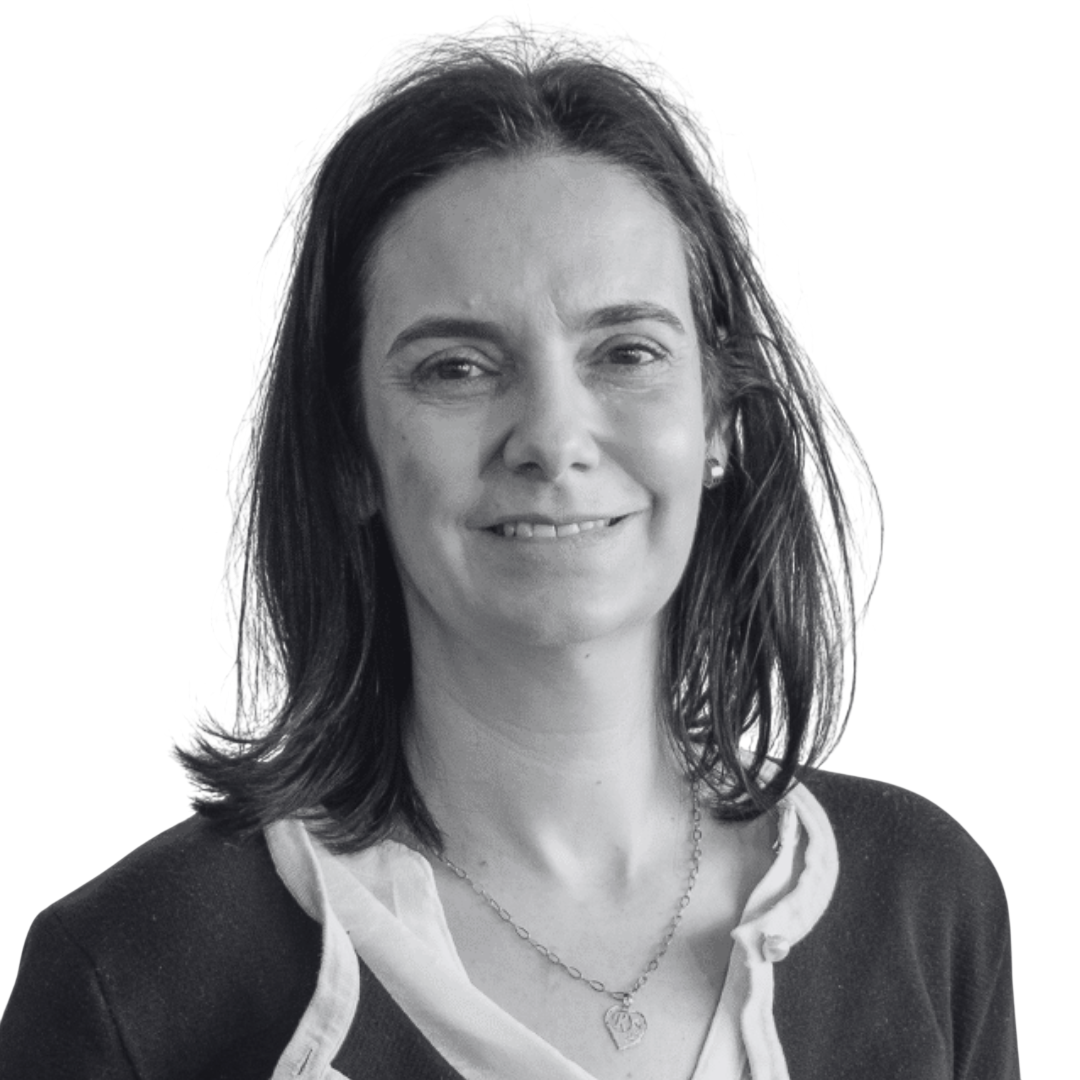
Rita Machado de Oliveira
Assistant Professor at NOVA Medical School
Rita Machado de Oliveira earned her Ph.D. in Biomedical Sciences, beginning her scientific career in the field of aging at the Massachusetts Institute of Technology and later at Stanford University.
After returning to Portugal, she worked on neurodegenerative diseases, exploring aging as the primary risk factor for these conditions. Later, she shifted her research focus to metabolism, obesity, and diabetes, conducting translational research centered on interorgan communication and the need to understand the body as an integrated system rather than as isolated organs. Her research focuses particularly on the role of extracellular vesicles as mediators of interorgan communication and as potential biomarkers and therapeutic tools in metabolic diseases.
She is currently an assistant professor at NOVA Medical School, where she conducts research in the areas of obesity and diabetes, while maintaining a strong interest in promoting healthy aging, precision medicine, and innovation in healthcare.
Sessions in which participates
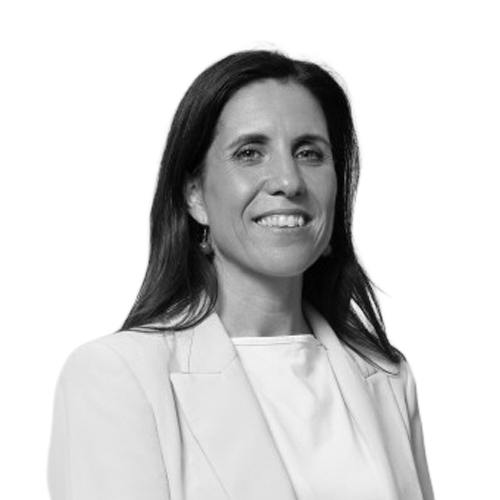
Sara Farinha
Associate Director of Pricing Reimbursement Access, Health Outcomes & Corporate Affairs na Lilly
A professional in the pharmaceutical industry in Portugal, with a career focused on strategic market management and healthcare sustainability.
He leads critical areas of market access and is responsible for negotiating prices and reimbursement for new medicines in the country, assessing health outcomes and managing the company’s institutional relations.
Before joining Eli Lilly, he developed his career at the biopharmaceutical company AbbVie, where he consolidated solid experience in these same areas of access.
His profile stands out for his expertise in Health Economics, Pharmacoeconomics, Pharmaceutical Legislation and Medical Devices.
In terms of academic background, he holds a bachelor’s degree and a master’s degree from Universidade Lusófona de Humanidades e Tecnologias, complemented by advanced training at NOVA IMS Information Management School of NOVA University Lisbon.
Sessions in which participates
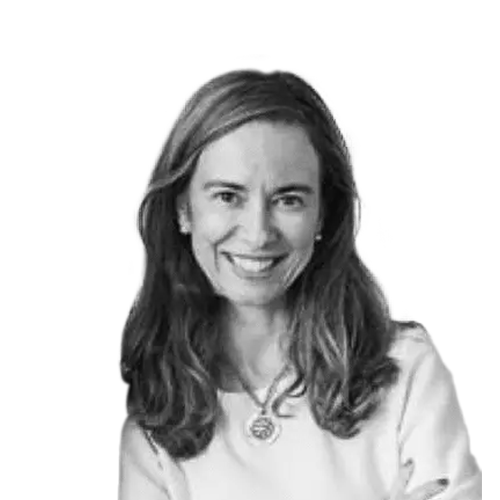
Maria Rita Dionísio
Executive Medical Director at Lilly
A physician specialising in Oncology, she is also a PhD candidate, with her research focused on brain metastases resulting from breast cancer. She is a faculty member at the Faculty of Health Sciences and Nursing of the Universidade Católica Portuguesa.
As medical spokesperson for Lilly Portugal, she has played a very active role in raising awareness of obesity as a chronic and complex disease.
Among her main public initiatives is the “Stories Can’t Wait” project, launched at MAAT in Lisbon, which focuses on humanising and giving visibility to the stories of people living with the condition, promoting the fight against stigma and publicly advocating for social judgement to be replaced by empathy and appropriate medical treatment.
Sessions in which participates
Living Longer, Living Better — Obesity: A Shared Challenge
Parallel Session 22
How can Portugal collectively turn strategy into action in the fight against obesity? A Manifesto. A movement. A moment to turn commitment into action, mobilize support, and develop more effective, equitable, and sustainable solutions in the fight against obesity.
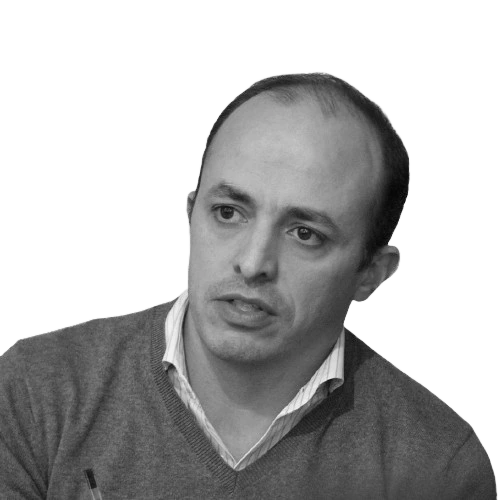
João Condeixa
Director of External Affairs and Board Member at Johnson & Johnson
He holds a master’s degree in Business Management from ISCTE, an MBA from INDEG-ISCTE, and completed the Intensive Luxury Management Programme at HEC Paris. He also holds a degree in Animal Science and Technology from the University of Évora.
He served as a member of the Lisbon Municipal Assembly between 2017 and 2021 and as Chief of Staff to the Minister of Solidarity, Employment and Social Security in the 20th Government. In the 19th Government, he was Political Advisor to the Minister of Solidarity, Employment and Social Security.
Since 2015, he has returned to the private sector and is currently Director of External Affairs and Board Member at Johnson & Johnson. During 2020, he also served as Government Affairs & Policy Manager for the Europe, Middle East and Africa region.
Sessions in which participates
Jaime Melancia
Chair of the Board of Directors of Plataforma Saúde em Diálogo
Electrical engineer with a degree from IST. He is known for his advocacy on behalf of healthcare users in Portugal and Europe.
Sessions in which participates

Filipa Mota e Costa
CEO of Johnson & Johnson Innovative Medicine Portugal
Filipa Mota e Costa is the General Manager of Johnson & Johnson Innovative Medicine Portugal. She holds a bachelor’s degree in chemical engineering from the University of Porto and began her career at Sonae Indústria, where she worked for seven years. She later earned an MBA from INSEAD in France, a pivotal step in her professional journey. Throughout her career, she has prioritized continuous learning, seeking new challenges, and the development of people and organizations, and she currently leads Johnson & Johnson Innovative Medicine in Portugal.
Sessions in which participates
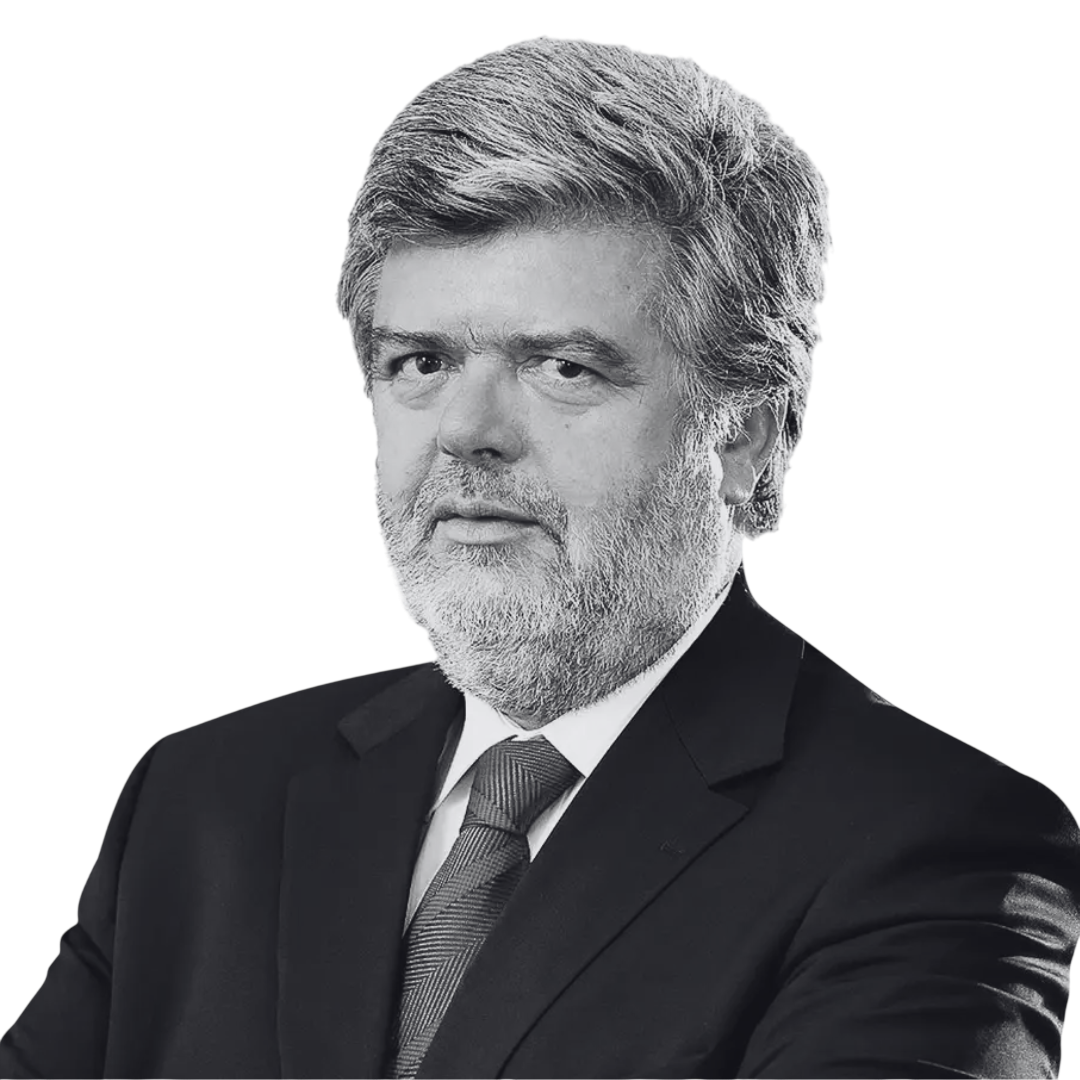
João Almeida Lopes
President of APIFARMA
Sessions in which participates
Eduardo Costa
Member of the Board of INFARMED I.P.
Eduardo Costa is a member of INFARMED, I.P. He holds a Ph.D. in Economics from Nova SBE and is an assistant professor at the Instituto Superior Técnico, where his research focuses on health economics. He is the author of more than 40 scientific publications.
Eduardo Costa holds a Ph.D. in Economics from Nova School of Business and Economics (Nova SBE), a degree he completed in 2021, after completing doctoral courses in Economics and Health Policy at the Swiss Society of Health Economics in 2018. He holds a master’s degree in Economics from Nova SBE (2016) and a bachelor’s degree in Economics from the same institution (2014).
Since 2024, he has been an assistant professor at the Instituto Superior Técnico (IST) of the University of Lisbon, where he teaches courses in the areas of Economics and Health Systems at the bachelor’s, master’s, and doctoral levels, as well as in executive education programs, with a special focus on Health Economics and Health Policy. That same year, he joined CEGIST—the Center for Management Studies at the Instituto Superior Técnico—as a staff researcher, conducting research focused on regulation and competition in the pharmaceutical market and the financial sustainability of public health spending.
He is the author or co-author of more than 40 publications, including scientific articles in peer-reviewed journals, reports, and book chapters, and has coordinated or participated in various studies and projects for public and private institutions in the field of health economics. Since 2024, he has served as a consultant to the Ministry of Health on economic affairs. He has also been a member of the National Commission for Reference Centers since 2023 and has served as an expert on the Health Technology Assessment Commission of INFARMED, I.P., since 2022.
Throughout his professional and academic career, he served as president of the Portuguese Association of Health Economics from 2023 to 2025, as a visiting professor and researcher at Nova SBE from 2017 to 2024, as a research fellow at Lancaster University in the United Kingdom in 2021, and a visiting researcher at Boston University and the Harvard School of Public Health in the United States in 2019. He also gained experience in the private sector as a strategic management consultant at Kearney in 2014 and between 2016 and 2017.
Over the years, at the Ministry of Health in Portugal, he held various positions, including: President (2002–2005) and Vice President of Infarmed (1994–2000; 2016–2019) and President (2014–2016) and Vice President (2011–2014) of the Central Administration of the Health System (ACSS, I.P.), and he has also held other executive and advisory roles in various health-related bodies, committees, and working groups.
Sessions in which participates
The Longevity Imperative: Rethinking HTA for Innovation, Access and Competitiveness
Parallel Session 23
How health technology assessment can help Europe and Portugal deliver longer, healthier lives while strengthening innovation and economic competitiveness.
Tânia Gaspar
Coordinator of the Portuguese Laboratory for Healthy Workplaces
Associate Professor with Habilitation and Director of the Centre for Psychology, Innovation and Knowledge (CPIC) at Lusófona University. She holds PhDs in Psychology and Management, a master’s degree in Public Health and a specialisation in Health Promotion and Prevention. She also works as a clinical and health psychologist at CENC and Hospital CUF Cascais.
She is President of Aventura Social and Principal Investigator in Portugal for the international Health Behaviour in School-aged Children (HBSC) study of the World Health Organization, coordinating the Mediterranean countries and serving on the international coordination committee.
She also leads the Portuguese Laboratory for Healthy Work Environments and participates in international projects developed with the WHO, the OECD and AICIB in the areas of mental health, health promotion, quality of life and patient experience assessment.
She is a member of several national research centres, coordinates studies funded by the European Commission and is the author of numerous international scientific publications, with an h-index of 24 in Scopus.
A specialist in Clinical and Health Psychology certified by the Portuguese Psychologists Association, she is a member of the Advisory Board of the Southern Regional Delegation of the Association, Vice-President of the Portuguese Association of Psychogerontology and a board member of the Portuguese Association of Health and Behavioural Sciences. She is also a member of the International Society of Behavioral Medicine.
Sessions in which participates
Teresa Paiva
Clinical Director at CENC – Sleep Medicine Center
Graduating in Medicine in 1969, Professor Teresa Paiva specialised in Neurology and Clinical Neurophysiology. She holds a formal qualification in Sleep Medicine and has been certified as a
European Somnologist since 2012. She is currently Clinical Director of the CENC – Sleep Medicine Centre and a member of the Observatory on Sleep Across the Lifespan.
Throughout her career, she has combined clinical practice and research with university teaching, having served as an invited Associate Professor of Neurology at the Faculty of Medicine of the University of Lisbon and of Biomedical Engineering at Instituto Superior Técnico.
She has played a pioneering role in the development of Sleep Medicine in Portugal, including the establishment of the country’s first sleep laboratory and the creation of the first Master’s programme in Sleep Sciences worldwide.
Sessions in which participates
Margarida Gaspar de Matos
Clinical and Health Psychologist
Clinical and Health Psychologist. Full Professor at the University of Lisbon (UL) with Aggregation in International Health. Guest Professor at the Catholic University. Coordinator of several national and international projects within the scope of promoting children’s and young people’s health. Member of the coordination team of the international network of the Health Behavior in School-Aged Children / World Health Organization Study (HBSC / WHO), and coordinator of the Planetary Health Group. member of the Observatory on Sleep Across Lifespan.
Sessions in which participates
Marina Carvalho
Clinical and Health Psychologist
Graduated in Clinical Psychology with a Master Degree in Health Psychology from ISPA. PhD in Clinical Psychology (University of Minho) and with Habilitation in Health Education (University of Lisbon). Certified by the OPP (Portuguese Psychologists’ Order) in Clinical and Health Psychology and in Psychotherapy, Certified as a psychotherapist and supervisor by the APTC. Formerly a Health Assistant at the Psychiatry Department (Unit 2) of the Algarve Local Health Unit and Full Professor at ISMAT – Lusófona Group, where she managed, until 2023, the Graduation Program in Psychology, the Master’s Program in Work and Occupational Health Psychology, and the Department of Psychology and Physical Education. Integrated researcher at the Institute of Environmental Health (Faculty of Medicine, University of Lisbon), within the “Supportive Environments” group. Member of the DGEEC’s Observatory on Psychological Health and Well-being, the Portuguese team for the HBSC (a WHO collaborative study), and the “Aventura Social” (Social Adventure) Project. member of the Observatory on Sleep Across Lifespan.
Sessions in which participates
Maria Raquel Silva
Professor at the Faculty of Health Sciences, Fernando Pessoa University (FCS-UFP)
Maria-Raquel Silva is Associate Professor with Habilitation at the Faculty of Health Sciences, University Fernando Pessoa (FCS-UFP), in Porto, Portugal. She is Senior Researcher at the Research Centre of the Portuguese Institute of Oncology of Porto (IPO-PORTO) and Invited Senior Researcher in the NOVA Medical School of Lisbon (CHRC-Comprehensive Health Research Centre), the University of Coimbra (CIAS-Research Centre for Anthropology and Health), and the RISE-Health/FFP in Porto. member of the Observatory on Sleep Across Lifespan.
Sessions in which participates

Nuno Félix
Pediatrician at Hospital Lusíadas Lisboa.
Integrated Master’s Degree in Medicine from the Lisbon School of Medicine in 2011.
Specialist Degree in Pediatric Medicine in 2020.
Visiting Assistant Professor for Module X in Pediatrics in the Integrated Master’s in Medicine program at the Faculty of Medicine of Lisbon.
Master’s in Sleep Medicine from the University of Bern, Switzerland, in 2026.
Postgraduate Certificate in Sports Medicine from the Portuguese Society of Sports Medicine in 2023.
Ph.D. in Veterinary Sciences from the Lisbon Faculty of Medicine in 2017.
Master’s Degree in Neuroscience from the Lisbon Faculty of Medicine in 2004.
Bachelor’s Degree in Veterinary Medicine from the Lisbon Faculty of Veterinary Medicine, Technical University of Lisbon (now the University of Lisbon) in 1999.
Currently a pediatrician in charge of the Pediatrics section at the Center for Electroencephalography and Clinical Neurophysiology in Lisbon, where he provides consultations in pediatric sleep medicine.
Pediatrician at Lusíadas Hospital in Lisbon, where he works in the Intermediate Care Unit, the Emergency Department, and the Pediatric Outpatient Clinic.
Sessions in which participates
Better Sleep for Better Living: Sleep as a Cornerstone of Healthy Longevity
Parallel Session 24
Sleep is one of the most important determinants of health throughout life, influencing cognitive function, mental health, metabolism, immunity, and the risk of chronic diseases. However, it remains one of the most overlooked factors in promoting healthspan.
This session explores the scientific evidence on the impact of sleep in disease prevention, the maintenance of functional capacity, and quality of life. It also discusses clinical, behavioral, and technological strategies to promote better sleep health across all ages.
In addition, the session addresses the challenges associated with contemporary lifestyles, aging, and health policies that recognize sleep as an essential investment in building a healthier, longer-lived society.
Patrícia Calado
Head of Clinic Innovation at NTT DATA Portugal
A scientist by training, she has built extensive experience in science management, biomedical innovation funding, and the connection between academia and industry.
In her current role, she works directly with hospitals, clinical research centres and the pharmaceutical industry to implement new healthcare delivery models, and is also responsible for relevant initiatives such as the Clinical Innovation Barometer.
Her career within the healthcare and research ecosystem in Portugal includes her time at NOVA Medical School, where she held roles focused on knowledge transfer, funding management and the promotion of clinical research, as well as at AICIB.
Previously, she served as a delegate and national contact point for the health area of the European Horizon programme at the National Innovation Agency.
In the private sector, she held the position of Research and Development Director in the biotechnology field at Bioalvo, and also pursued an academic career as an Assistant Professor at the Faculty of Medicine of the University of Lisbon.
In terms of academic qualifications, she holds a PhD in Biomedical Sciences from the Faculty of Medicine of the University of Lisbon and a degree in Biology from the University of Coimbra.
Sessions in which participates
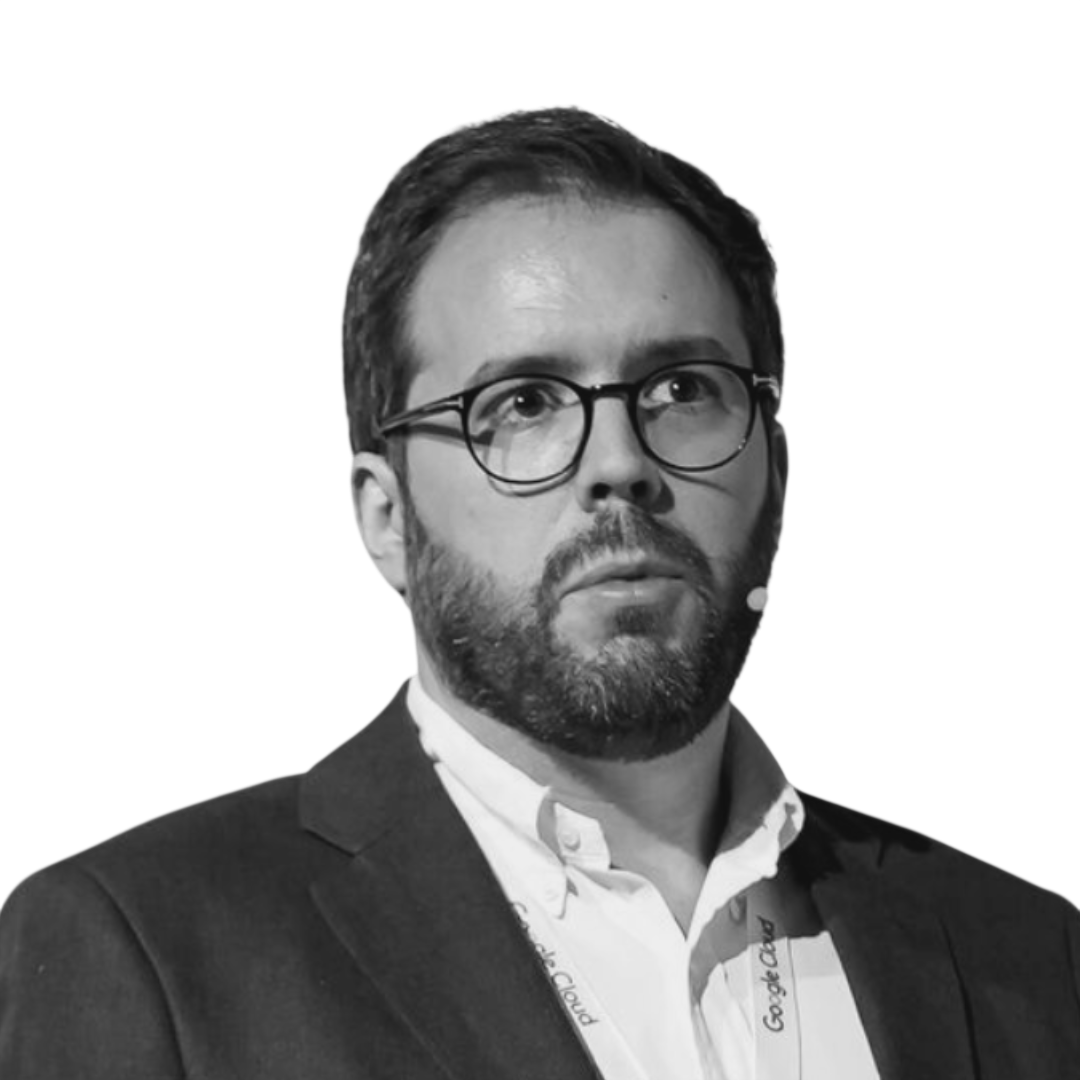
Luís João
Head of Public Sector and Healthcare na Google Cloud Portugal
Luís João has been Head of Public Sector and Healthcare at Google Cloud in Portugal since 2021. Previously, he served as the head of Enterprise Security and Modern Workplace at Microsoft
Portugal, with more than 11 years of experience in security, mobility, and productivity. He holds a bachelor’s and master’s degree in Computer Engineering from the Instituto Superior
Técnico.
Sessions in which participates
AI in Hospital Management: Tools You’ll Want to Start Using Tomorrow
Parallel Session 25
Artificial Intelligence has evolved from a concept into a practical tool. But which applications truly add value to hospital management?
In this hands-on session, NTT DATA and Google invite participants to explore some of the most advanced AI tools—such as Gemini, NotebookLM, and AI Studio—through real-world challenges in healthcare management.
Rather than just watching demonstrations, participants will experiment, create, and test solutions to specific problems related to decision-making, data analysis, planning, reporting, and operational improvement.
A dynamic session, open to all professionals interested in understanding how to use AI in their daily work and walk away with skills that can be immediately applied to their organizations.
João Machado
Chairman of the Board of Directors of the Ageas Foundation
Sessions in which participates
Loneliness, Well-Being, and Social Capital
Parallel Session 26
Loneliness is one of the main challenges facing aging societies, with a significant impact on physical and mental health. This session explores the relationship between well-being, social networks, and social capital, analyzing strategies to promote connection, participation, and community support, thereby contributing to healthier, more integrated lives of higher quality.
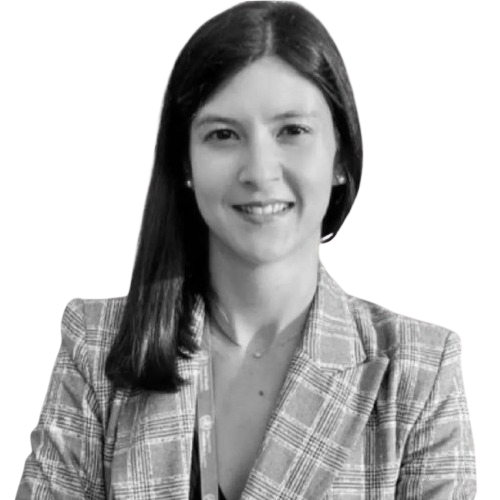
Rita Sá Machado
Director-General of Health
Rita Sá Machado is a physician specializing in public health and currently serves as Director-General of Health in Portugal. Passionate about policy and development, Dr. Rita Sá Machado previously worked at the World Health Organization, the Ministry of Foreign Affairs, and at the local, regional, and national levels of the National Health Service. She holds a Master’s degree in Public Health from the London School of Hygiene and Tropical Medicine in London, United Kingdom, and a postgraduate degree in Health Management from Católica Porto Business School in Porto, Portugal. She is also an invited lecturer at the Institute of Public Health of the University of Porto (ISPUP).
Sessions in which participates
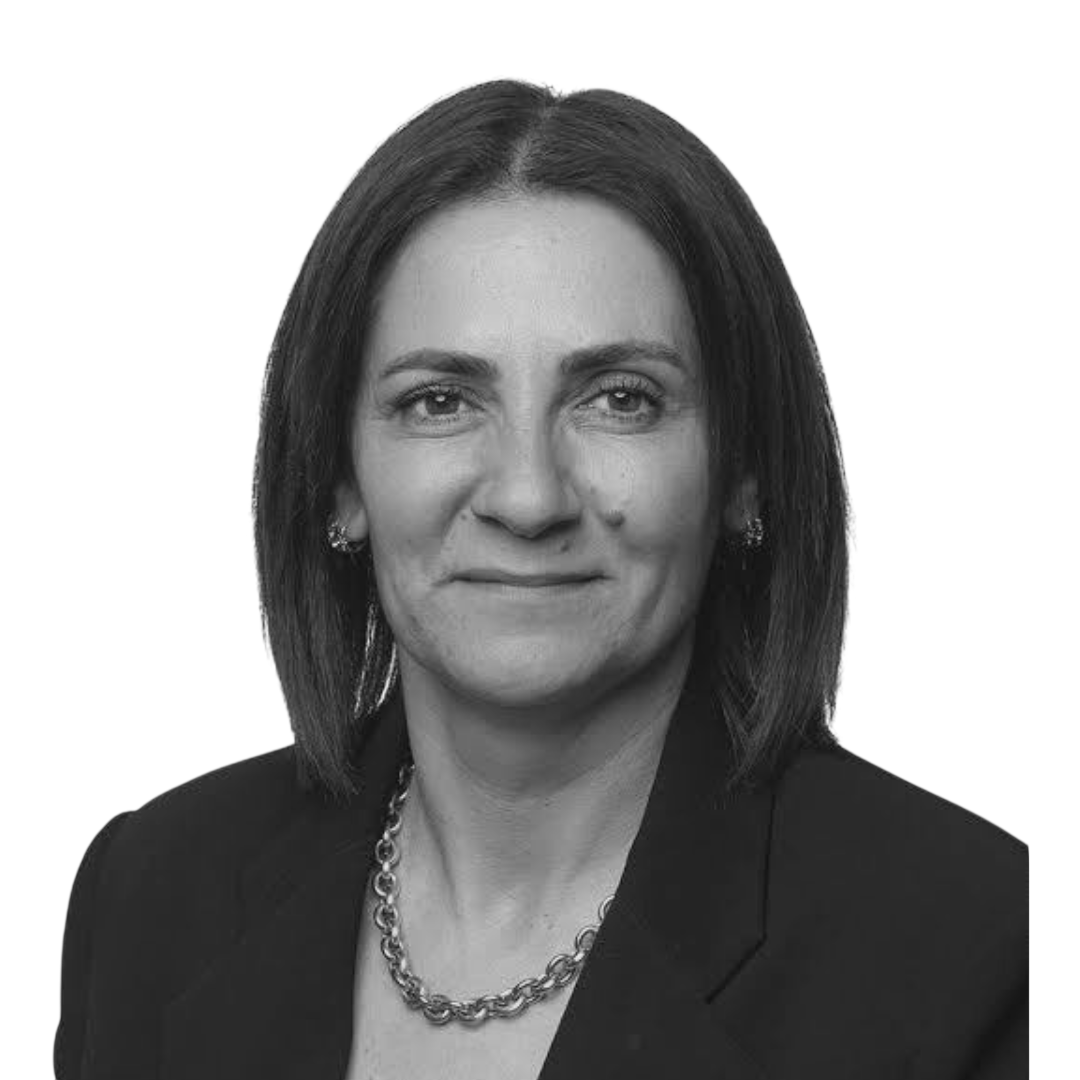
Irene Costa
Member of the Portuguese Parliament
Irene Manuela Ferreira da Costa was born on March 8, 1972, and holds a bachelor’s degree in Social Work. She is a social worker. She was elected to the Assembly of the Republic for the 15th, 16th, and 17th Legislatures representing the Braga district. She served as Technical Director at ERPI and, since 2004, has been a Senior Social Work Specialist at ACES do Alto Ave, working in various areas of social services and health care. She is a member of the Vizela Municipal Assembly and the AVE Intermunicipal Community, positions to which she had already been elected during the 2017–2021 term. She also serves as Local Councilor for Equality in the Municipality of Vizela.
Sessions in which participates

Joana Cordeiro
Member of the Portuguese Parliament
Joana Cordeiro, 40, is a Member of Parliament and a member of the Executive Committee of the Liberal Initiative party. During the previous parliamentary term, she held responsibilities in areas including Health, Employment, Social Security and Inclusion, Environment and Energy, and Mobility. She was a member of the Parliamentary Committee of Inquiry established to assess the legality and conduct of political office-holders allegedly involved in the provision of healthcare to two children — twins — treated with the medicine Zolgensma. Joana Cordeiro holds a degree in Marketing and a postgraduate qualification in Marketing with a specialisation in Management. She is currently attending the Specialisation Course in Hospital Administration at the National School of Public Health of NOVA University Lisbon. She stood as an independent candidate for the party in the 2019 legislative elections. She founded the Setúbal Territorial Branch — the first on the south bank of the Tagus — and later founded the Seixal Territorial Branch, which she also coordinated. She was elected to the party’s National Council for the 2020–2022 term. From 2006 until 2022, when she was elected to Parliament, she worked in the field of marketing.
Sessions in which participates

Gonçalo Sarmento
Hospital Consultant in Internal Medicine at CHEDV
Bachelor of Medicine from the School of Medicine at the University of Santiago de Compostela
Specialist in Internal Medicine
Internal Medicine Resident at CHEDV
Internal Medicine Resident at Hospital da Luz (Santa Maria da Feira)
Resident in a Specialized Training Program at the Vila Nova de Gaia/Espinho Hospital Center
Coordinator of the CHEDV COVID-19 Team
Member of the Cardiovascular Risk Clinic in the Department of Internal Medicine at CHEDV
Sessions in which participates
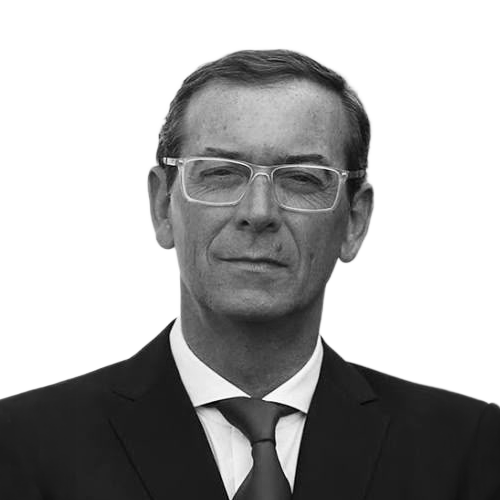
Miguel Guimarães
Physician and Member of the Portuguese Parliament
José Miguel Ribeiro de Castro Guimarães is a Member of the Portuguese Parliament and Vice-President of the PSD Parliamentary Group.
He holds a degree in Medicine from the Faculty of Medicine of the University of Porto and is a specialist in Urology at Centro Hospitalar São João. He has been part of the transplant team at Hospital de São João since 1994, having participated in more than 400 kidney transplant surgeries.
In 2005, he obtained the Competence in Healthcare Services Management from the Portuguese Medical Association.
He has organised more than 30 scientific and professional meetings and, as a researcher, has published more than one hundred research papers in national and international journals in the field of Urology.
He was President of the Northern Regional Council of the Portuguese Medical Association from 2011 to 2017 and President of the Portuguese Medical Association between 2017 and 2023.
Sessions in which participates
Luís Filipe Pereira
Minister of Health in the XV and XVI Constitutional Governments
He served as Minister of Health in the 15th and 16th Constitutional Governments, Secretary of State for Energy in the 12th Constitutional Government, and Secretary of State for Social Security in the 10th and 11th Constitutional Governments. He was president of the Portuguese Association of Industrialists Who Are Major Consumers of Electricity (1996–2001 and, again, since 2005).
Sessions in which participates
To confirm
Ricardo Mexia
Public Health Doctor and President of the Lumiar Parish Council
Graduated in Medicine in 2002 from the Faculty of Medical Sciences of NOVA University Lisbon, Ricardo Mexia completed a Master’s degree in Public Health in 2013 and is a graduate of EPIET – the European Programme for Intervention Epidemiology Training of the ECDC, completed in 2011.
He is currently part of the Department of Epidemiology at the National Institute of Health Doutor Ricardo Jorge. His work focuses mainly on communicable diseases, and he has been involved in the investigation and control of several outbreaks, including the 2016 measles outbreak and the 2017 Legionnaires’ disease outbreak at HSFX.
He has been responsible for the epidemiological surveillance of several mass gatherings, including BOOM Festival, Andanças Festival, the Centenary of the Pilgrimage to Fátima, the Eurovision Song Contest and the Torres Vedras Carnival, among others, developing a range of technological solutions for this purpose.
He is Coordinator of Gripenet, a participatory surveillance platform that contributes to the monitoring of the seasonal flu epidemic. He also collaborates in the evaluation process of the National Health Plan as part of the INSA team.
He has published and presented more than 30 papers at national and international scientific meetings in the fields of epidemiological surveillance, public health emergency and mass gatherings. He regularly appears as an interviewee on health-related topics across various media outlets, including television, radio, online media and the written press.
He has been an Invited Assistant Professor on the Integrated Master’s Degree in Medicine at the Faculty of Medicine of the University of Lisbon since 2014, and on the Integrated Master’s Degree in Medicine and the Bachelor’s Degree in Biomedical Sciences at the Department of Biomedical Sciences and Medicine of the University of Algarve since 2015.
He is a National Defence Auditor, having attended the National Defence Course in 2018/19. He is currently President of the National Association of Public Health Doctors, a position he has held since 2016, and Vice-President of the Communicable Disease Control Section of the European Public Health Association, since 2019.
Sessions in which participates
Public Policies for Longevity
Parallel Session 27
Prioritize longevity and active aging as political and cross-sectoral priorities. Reconfigure the strategic investment model to strengthen prevention and enhance the protection of the most vulnerable populations.

Tiago Esteves
Executive Director of Linde Homecare Europe
Sessions in which participates
Herberto Jesus
Member of the National Health Council
Bachelor of Medicine from the Faculty of Medicine of the Classical University of Lisbon (FML) in July 1990;
Postgraduate Degree in Health Facility Management (PGOM, 2nd edition) from the Faculty of Economic and Business Sciences at the Portuguese Catholic University – Lisbon (2003–2005);
Certification in Health Facility Management from the Portuguese Medical Association (2005);
CAGEP Course—Advanced Course in Public Management—INA (2018);
PADIS Course—Senior Management Program for Healthcare Institutions, AESE Business School (2022);
Specialist in Digital Health (European University, 2023);
Specialist in Epidemiology (Faculty of Medicine of Lisbon–University of Lisbon, 2021–2023).
Member of the National Health Council (2022–2026).
Vice Chair of the Board of Directors of the Health Service of the Autonomous Region of Madeira – SESARAM (2016);
Chair of the Board of Directors of the Institute of Health Administration (2017–2020);
Regional Health Director – Regional Health Authority during the SARS-CoV-2 pandemic (2020–2023);
Chair of the Board of Directors of the Health Service of the Autonomous Region of Madeira (2023–2025);
Deputy to the Office of the Regional Secretary for Health and Civil Protection of the Autonomous Region of Madeira (2025–2029).
Sessions in which participates
Belmiro Rocha
Chief Nursing Officer and Executive Board Member of ULS Gaia and Espinho
Chief Nursing Officer at ULS Gaia Espinho, EPE. Higher Nursing Course, ESEDAG (1988). Degree in Rehabilitation Nursing (Specialty Course), ESECP (1995). Holds the title of Specialist Nurse in Rehabilitation Nursing awarded by the Portuguese Nurses Association. Advanced Added Competence in Management awarded by the Portuguese Nurses Association. Postgraduate qualification in Health Management and Economics from FEUC. Advanced Management Programme for Healthcare Institutions (PADIS) from AESE. Academic Specialist title awarded by UFP. President of the Portuguese Association of Rehabilitation Nurses (APER), elected on 25 February 2023 for his fourth term as President of the Board (terms: 2008–2010, 2011–2013, 2020 2022 and 2023–2025).President of the Board of the Specialty College of Rehabilitation Nursing of the Portuguese Nurses Association during the 2012–2015 and 2016–2019 terms. Member of the Rehabilitation Nursing Specialty Committee of the Portuguese Nurses Association during the 1999–2003 and 2004–2008 terms.
Sessions in which participates
Home Hospitalization and Telemonitoring: The Hospital of the Future Starts at Home
Parallel Session 28
The home is emerging as a new center of care, driven by technology, remote monitoring, and more person-centered models of healthcare delivery. This session explores how home-based care enhances independence, improves the patient experience, and increases the efficiency of healthcare systems, while examining the challenges of care integration, quality, equity, and coordination.